30 Years Haukari e.V.
Together with you, we want to look back on 30 years of Haukari e.V. this year! What issues have we dealt with over the years? Who has accompanied us on our journey? What have we achieved? And what do we still want to achieve?
Table of Contents
1995

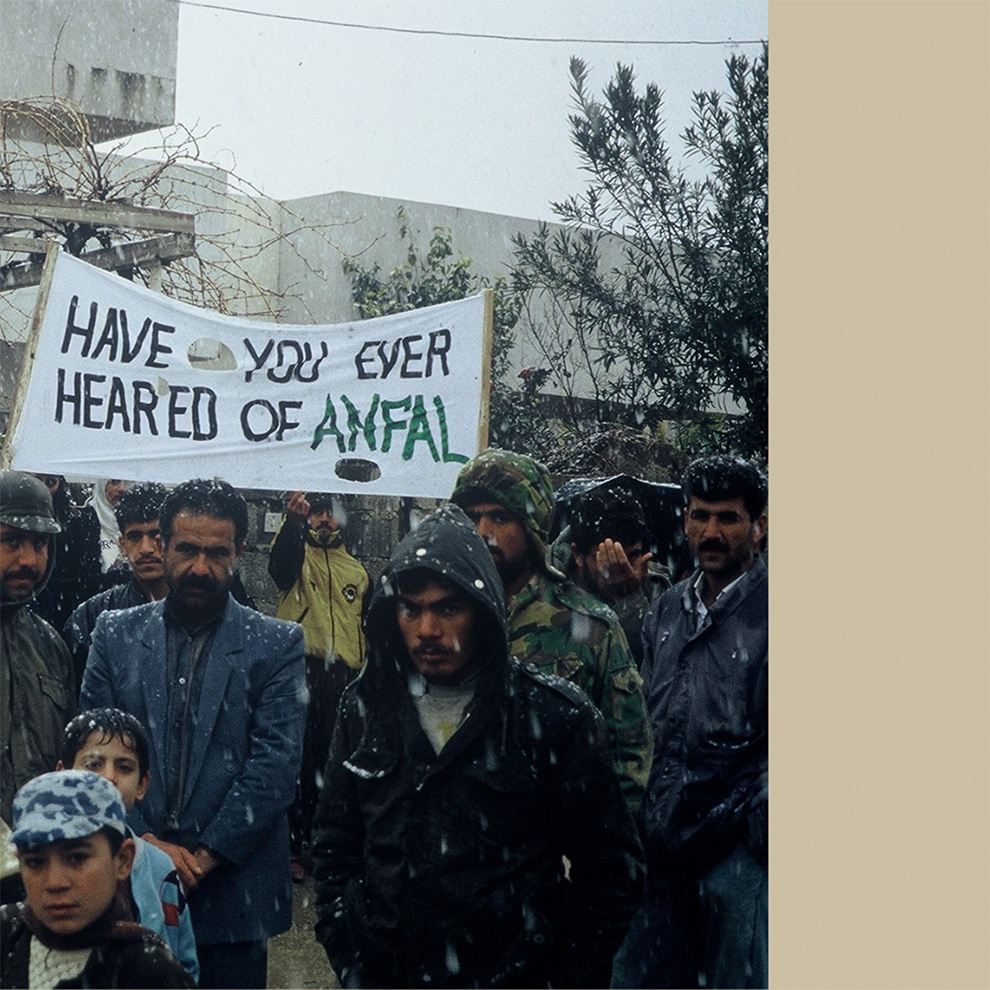
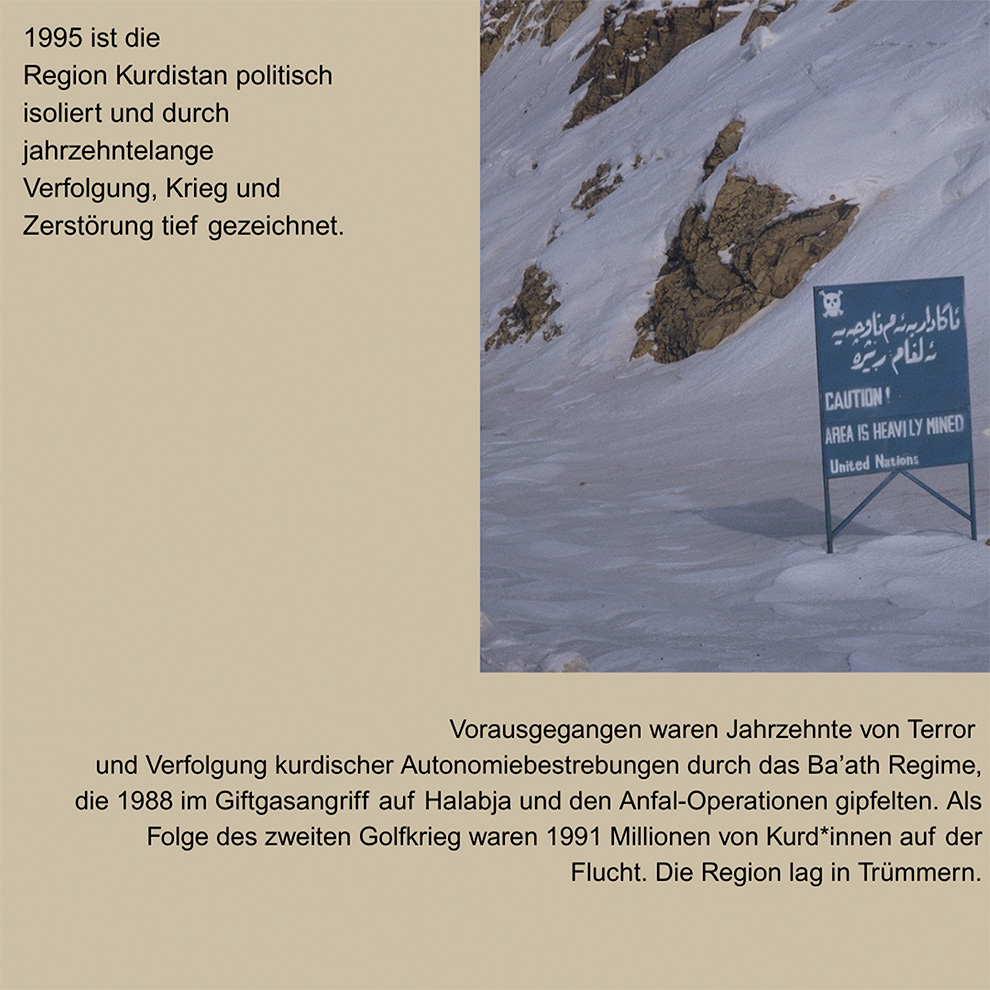
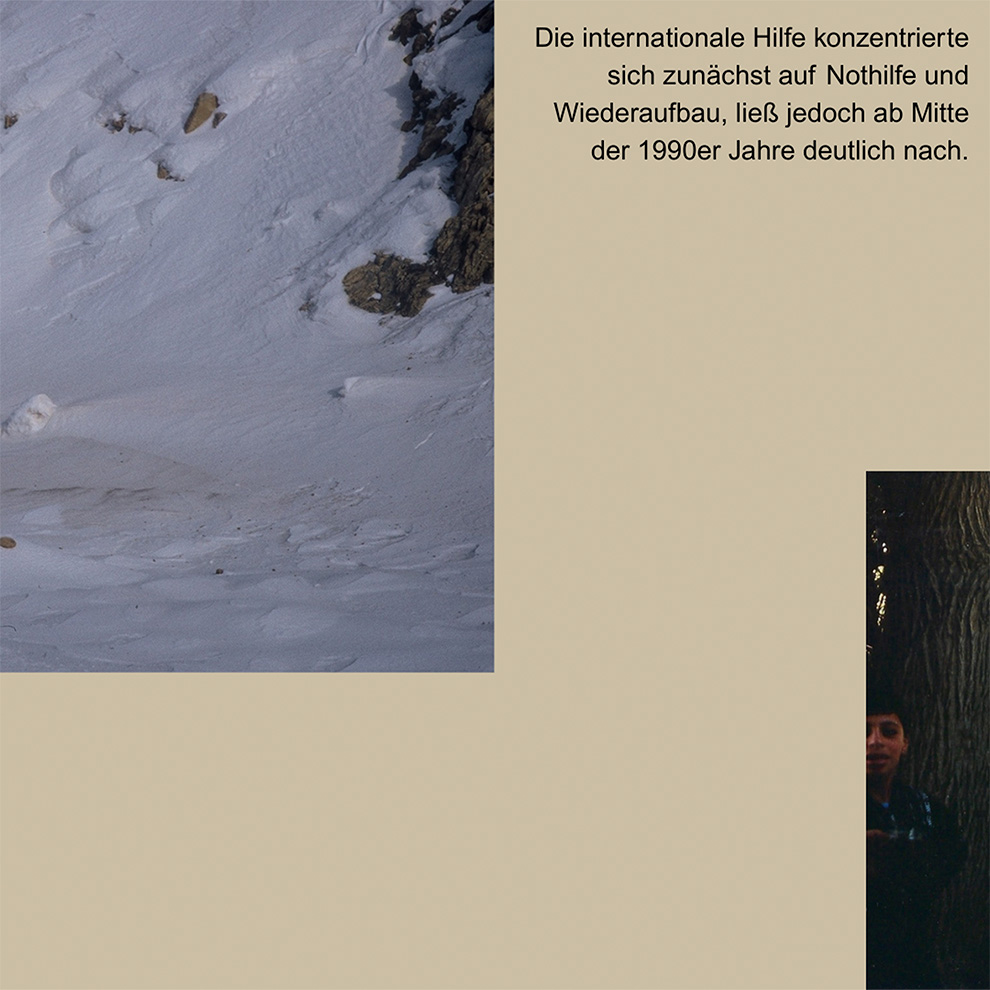
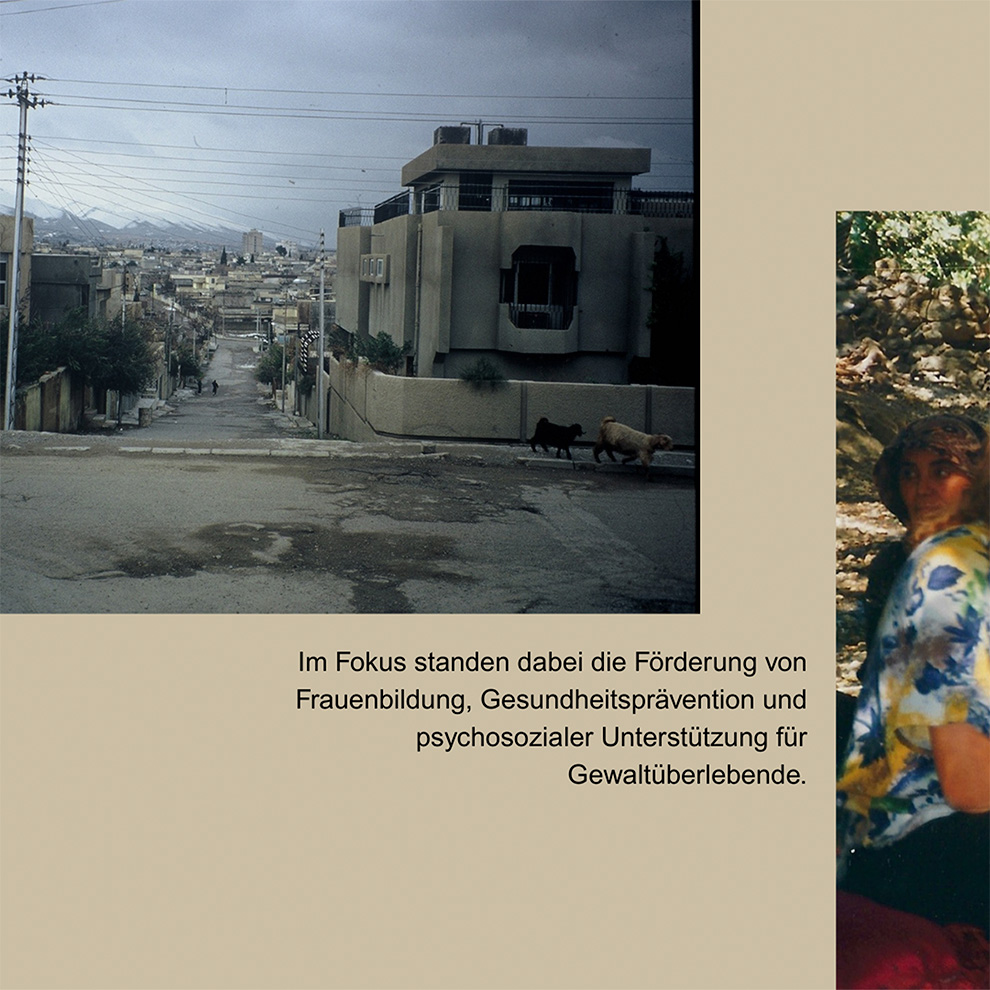
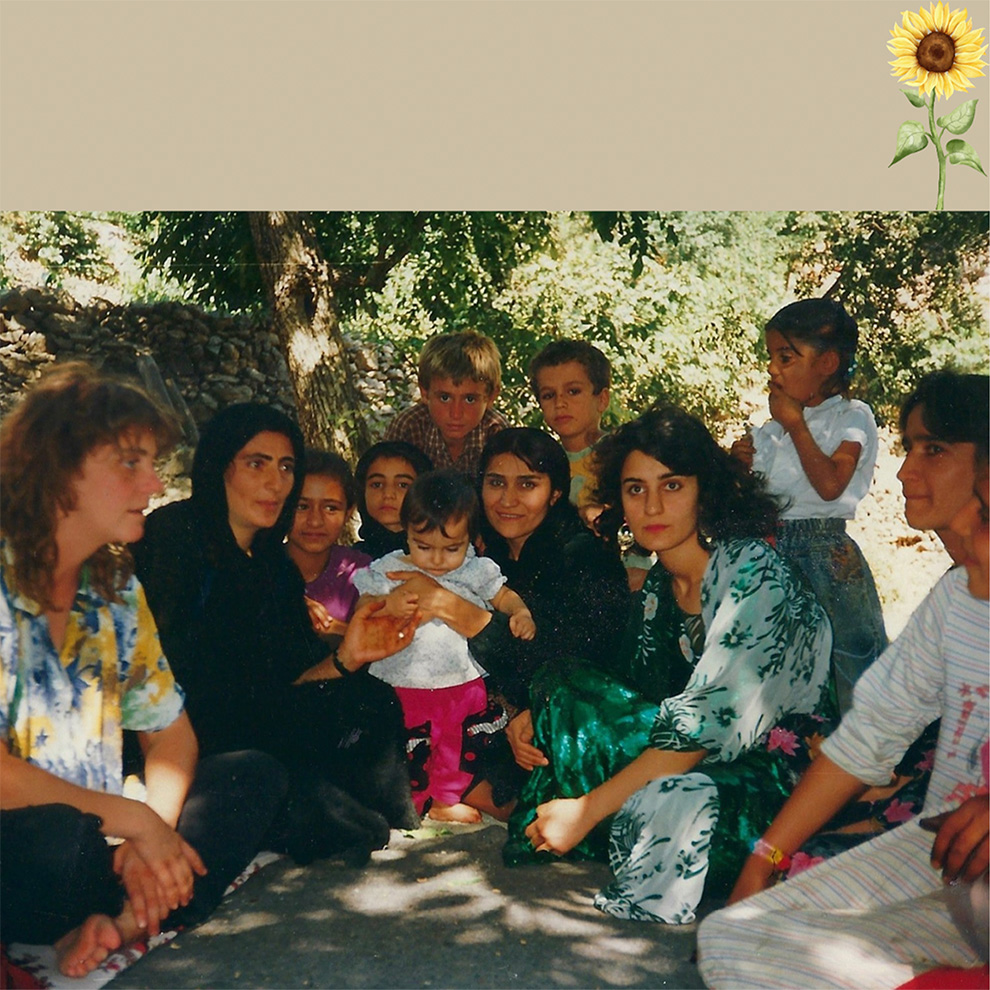
In 1995, the Kurdistan Region is politically isolated and deeply scarred by decades of persecution, war and destruction. This was preceded by decades of terror and persecution of Kurdish autonomy efforts by the Ba’ath regime, culminating in the 1988 poison gas attack on Halabja and the Anfal operations. As a result of the second Gulf War, millions of Kurds were forced to flee in 1991. The region was in ruins.
International aid initially focussed on emergency aid and reconstruction, but this slowed considerably from the mid-1990s onwards.
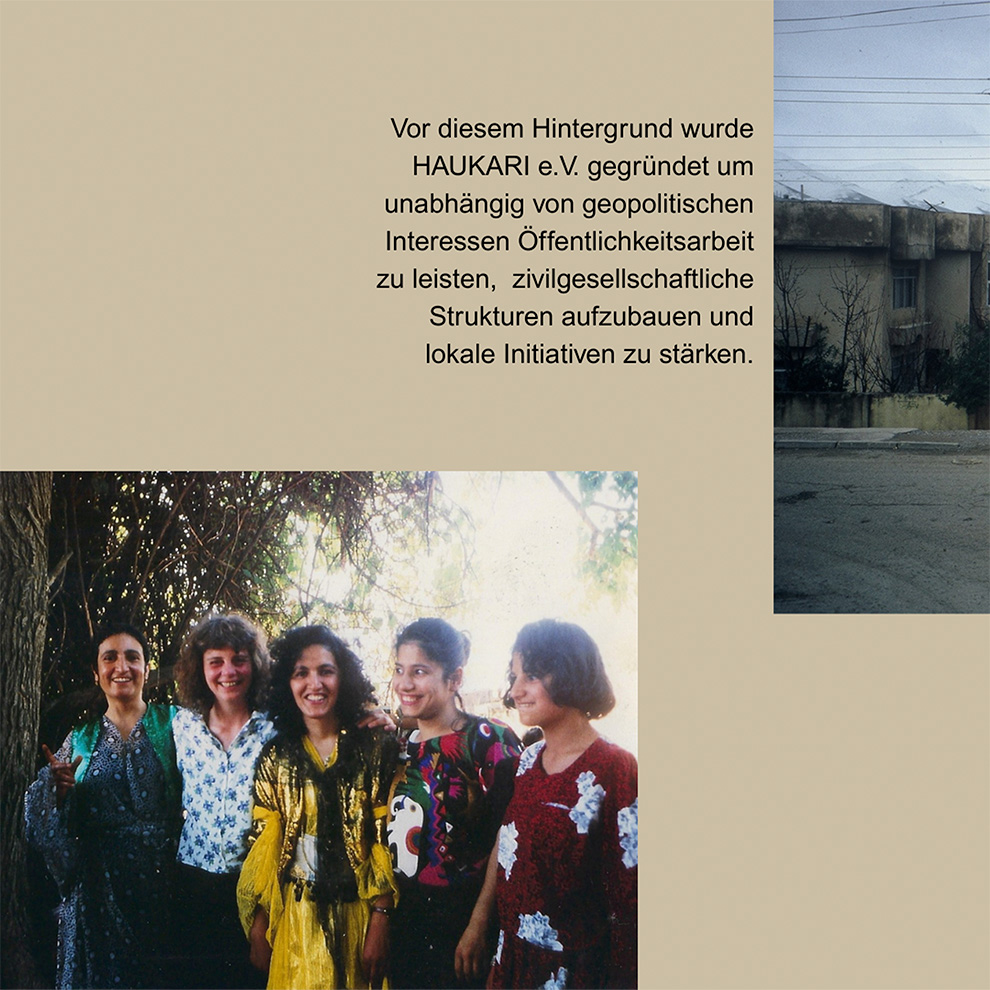
Against this backdrop, HAUKARI e.V. was founded to carry out public relations work independently of geopolitical interests, build civil society structures and strengthen local initiatives. The focus was on promoting women’s education, preventative healthcare and psychosocial support for survivors of violence.
1996
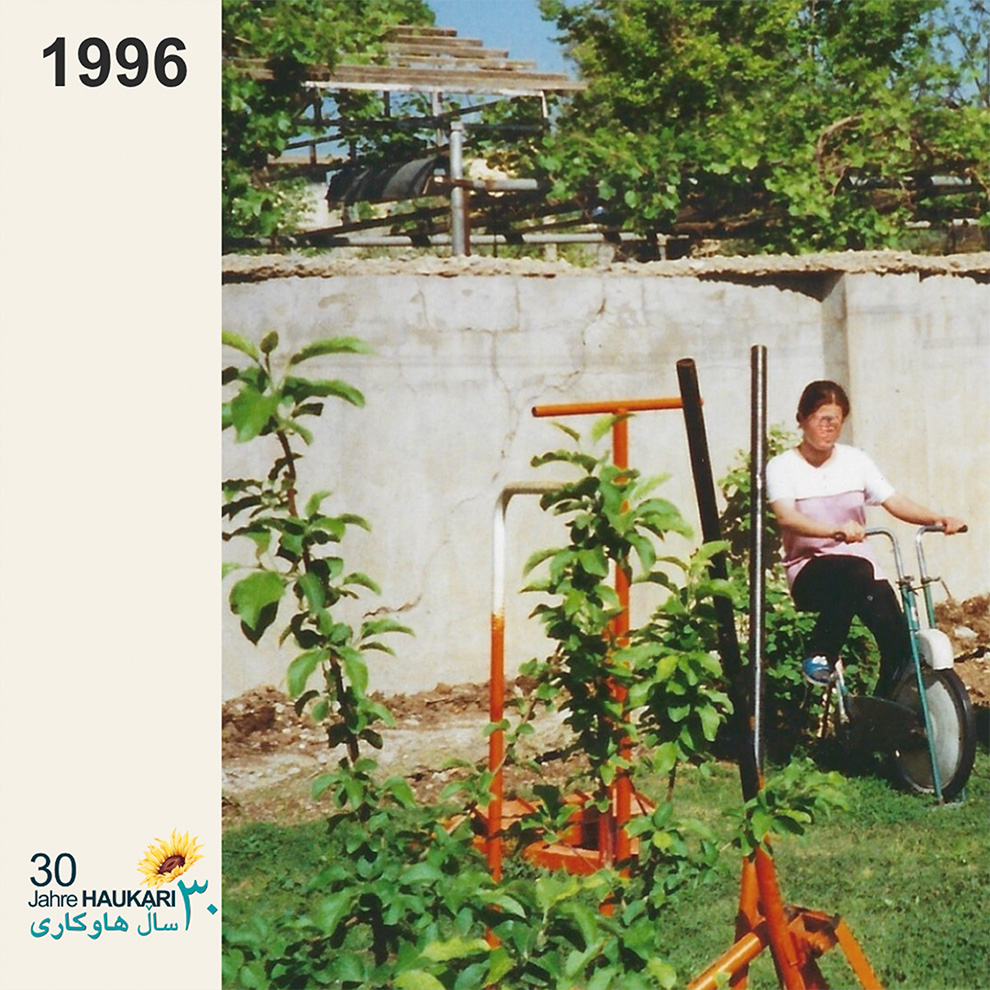
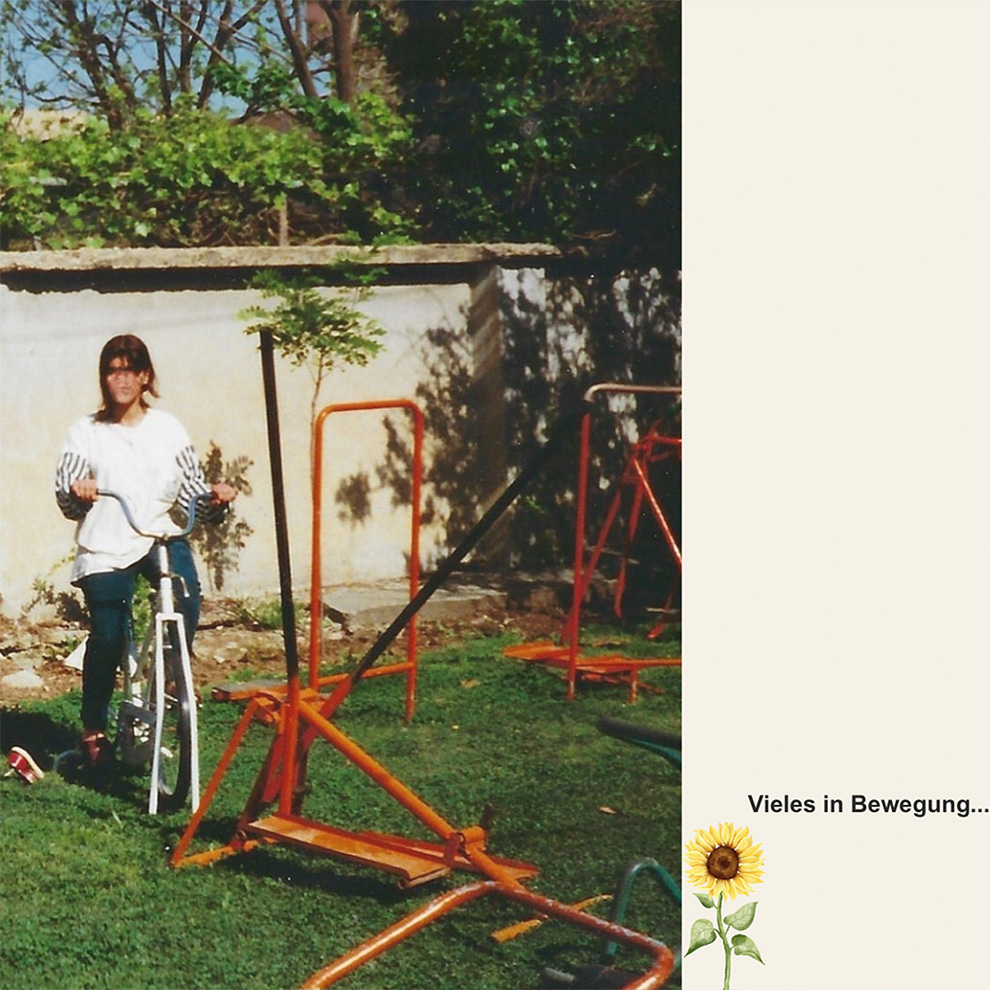
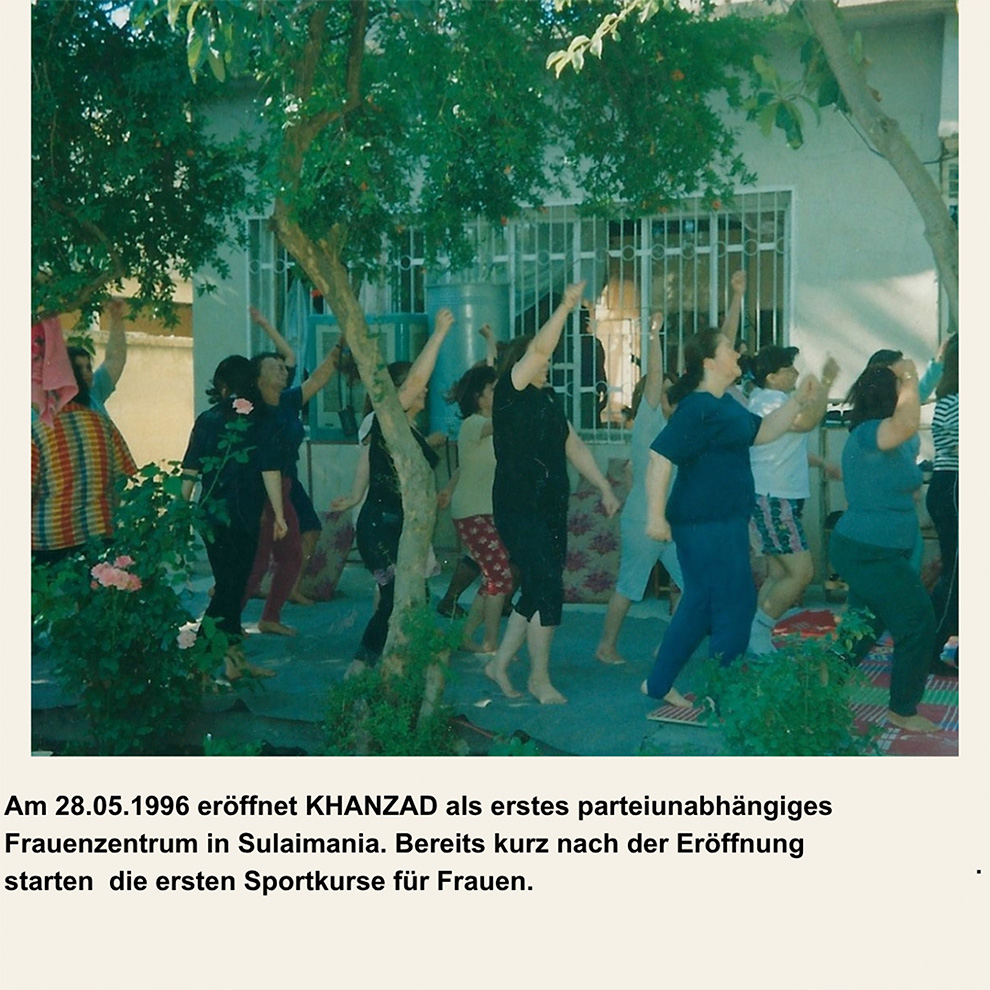
A lot is moving..
On 28.5.1996 KHANZAD opened- the first social and cultural women’s center in Sulaimania – a safe place for education, exchange and empowerment. Sport activities, courses, counseling and childcare were offered for all women. Since the very start, KHANZAD was run by a non-partisan women’s team and supported by HAUKARI e.V.
Besides offering place for education, exchange and empowerment of women, KHANZAD also from the outset acted as a starting point for social discussion about the situation of women in Kurdistan-Iraq, the political participation of women and gender-specific violence. KHANZAD has eversince continued to develop.
1997
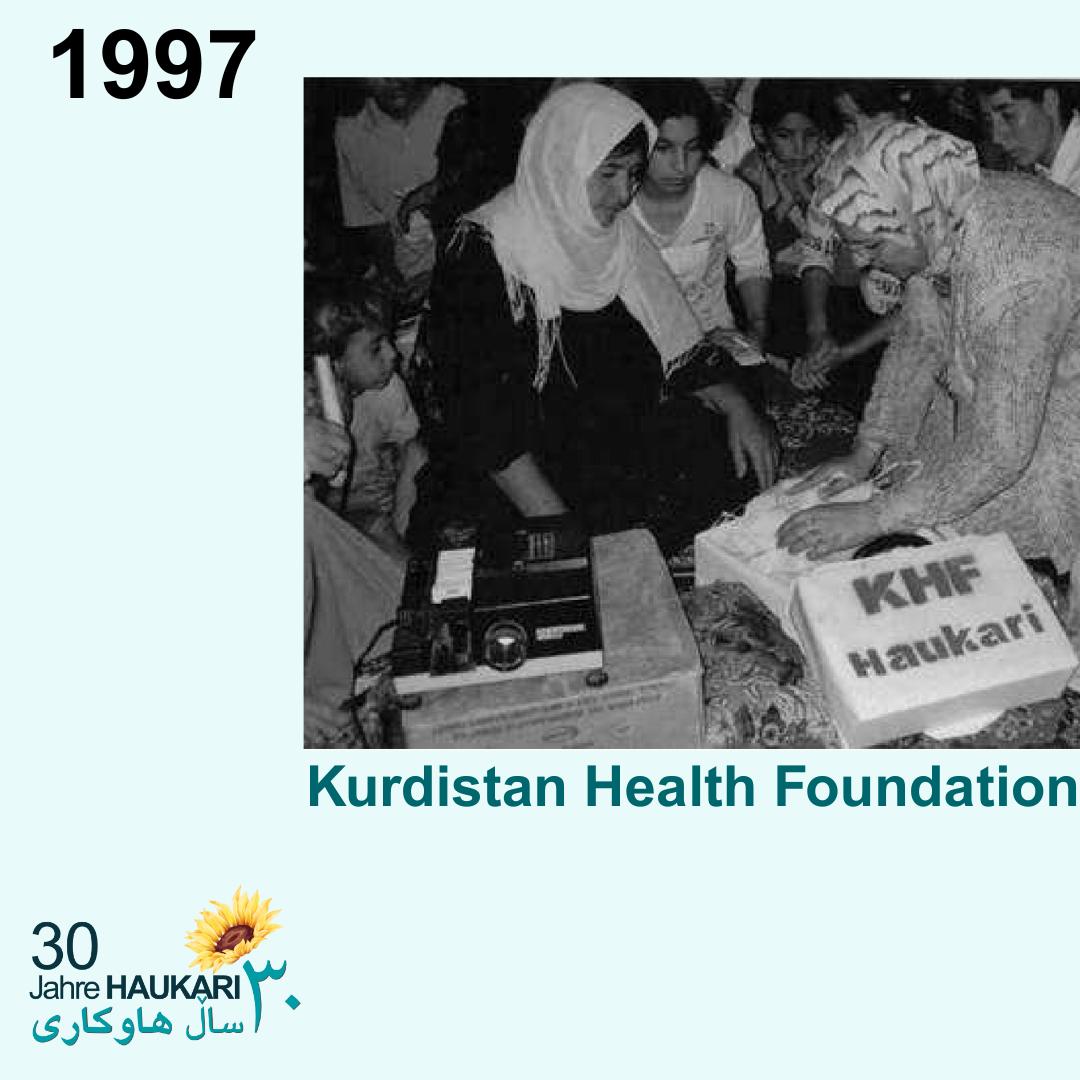
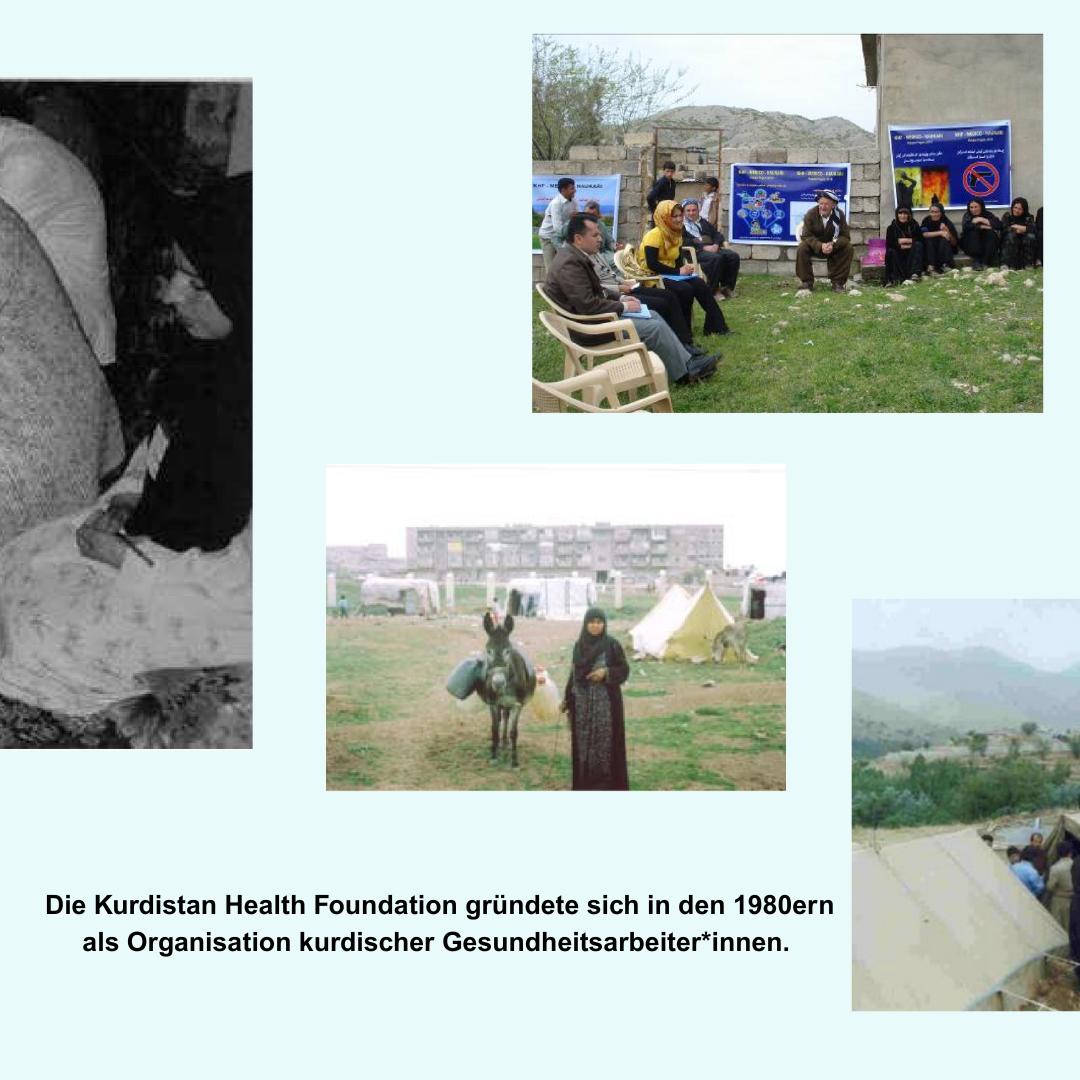
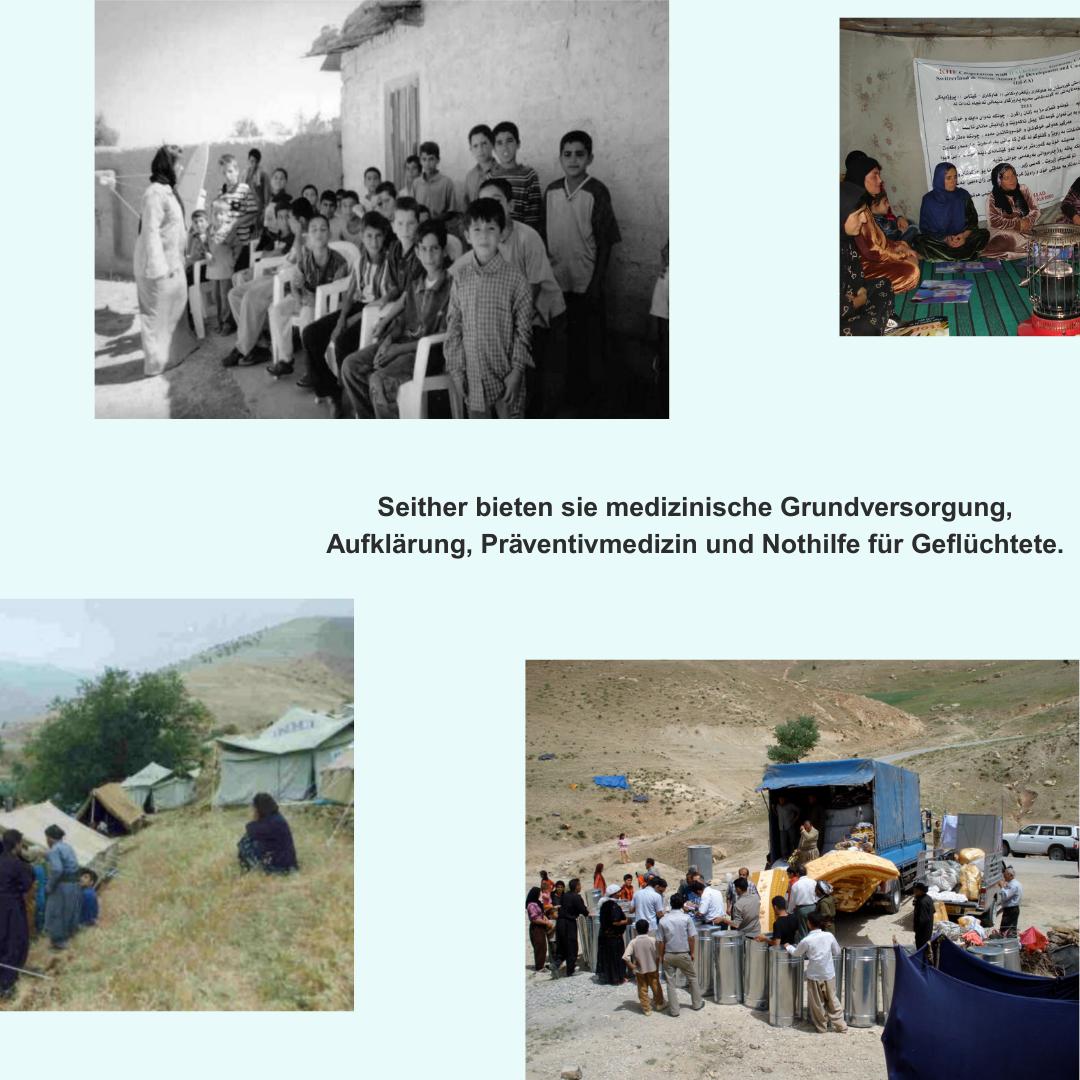
30 years of Partnership!
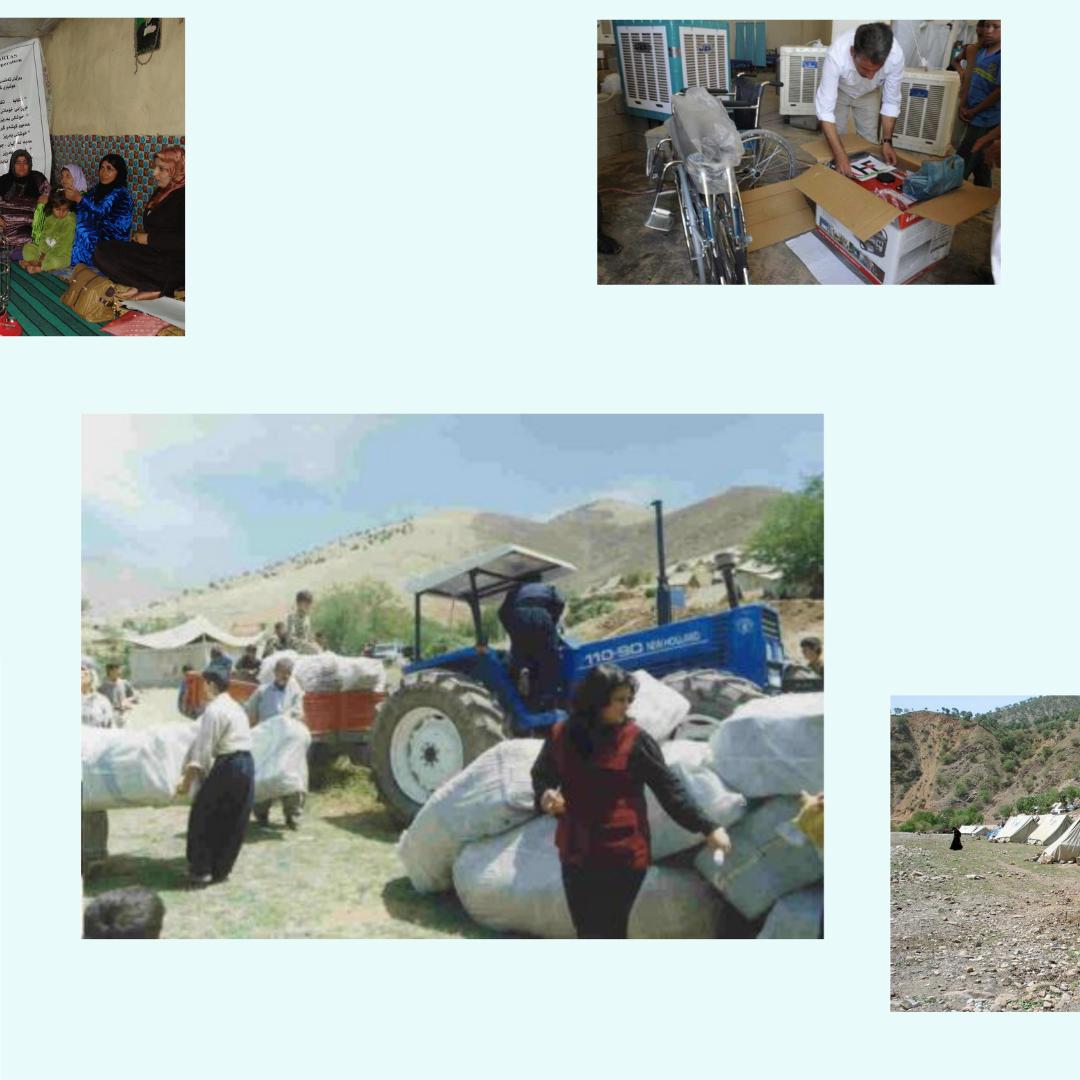
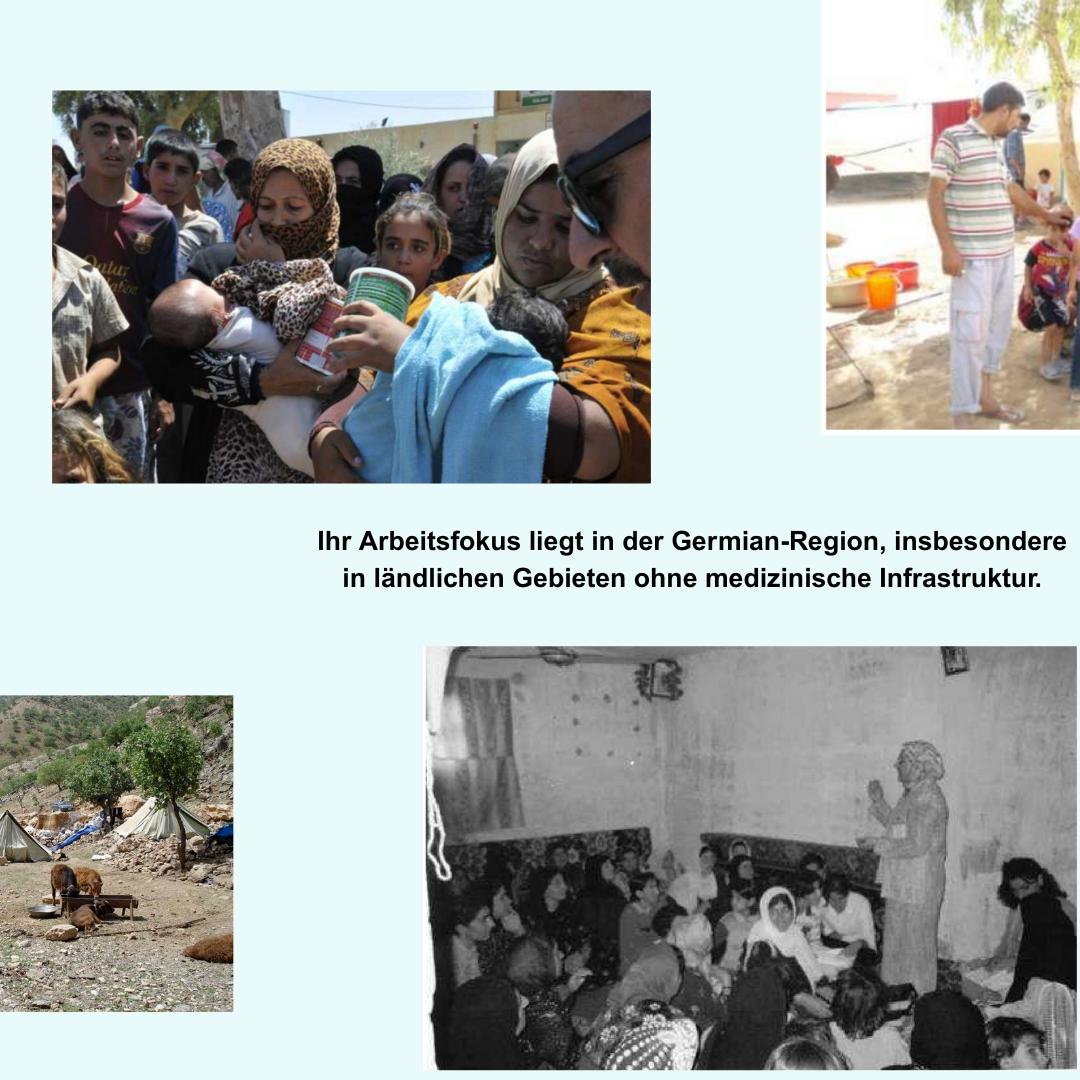
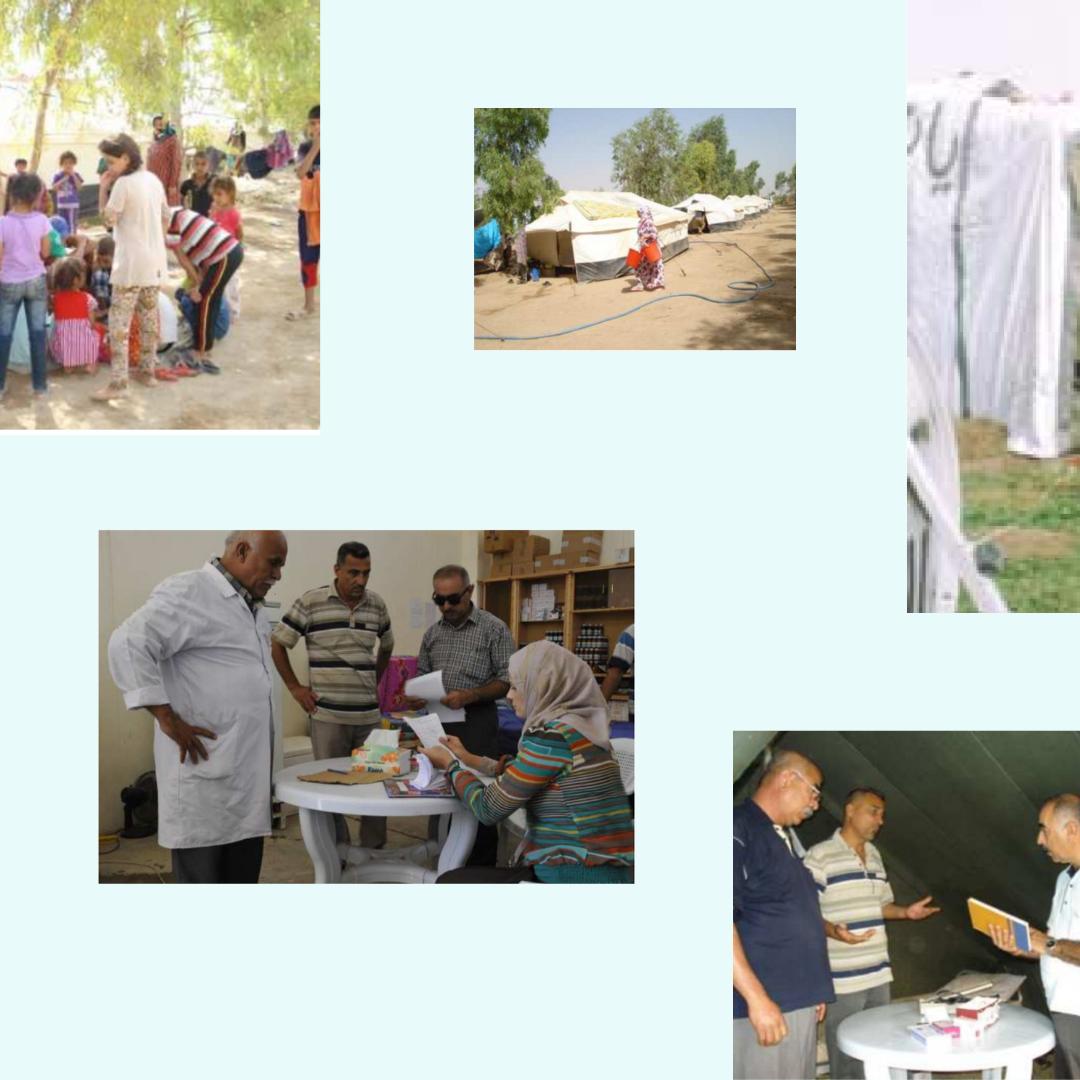
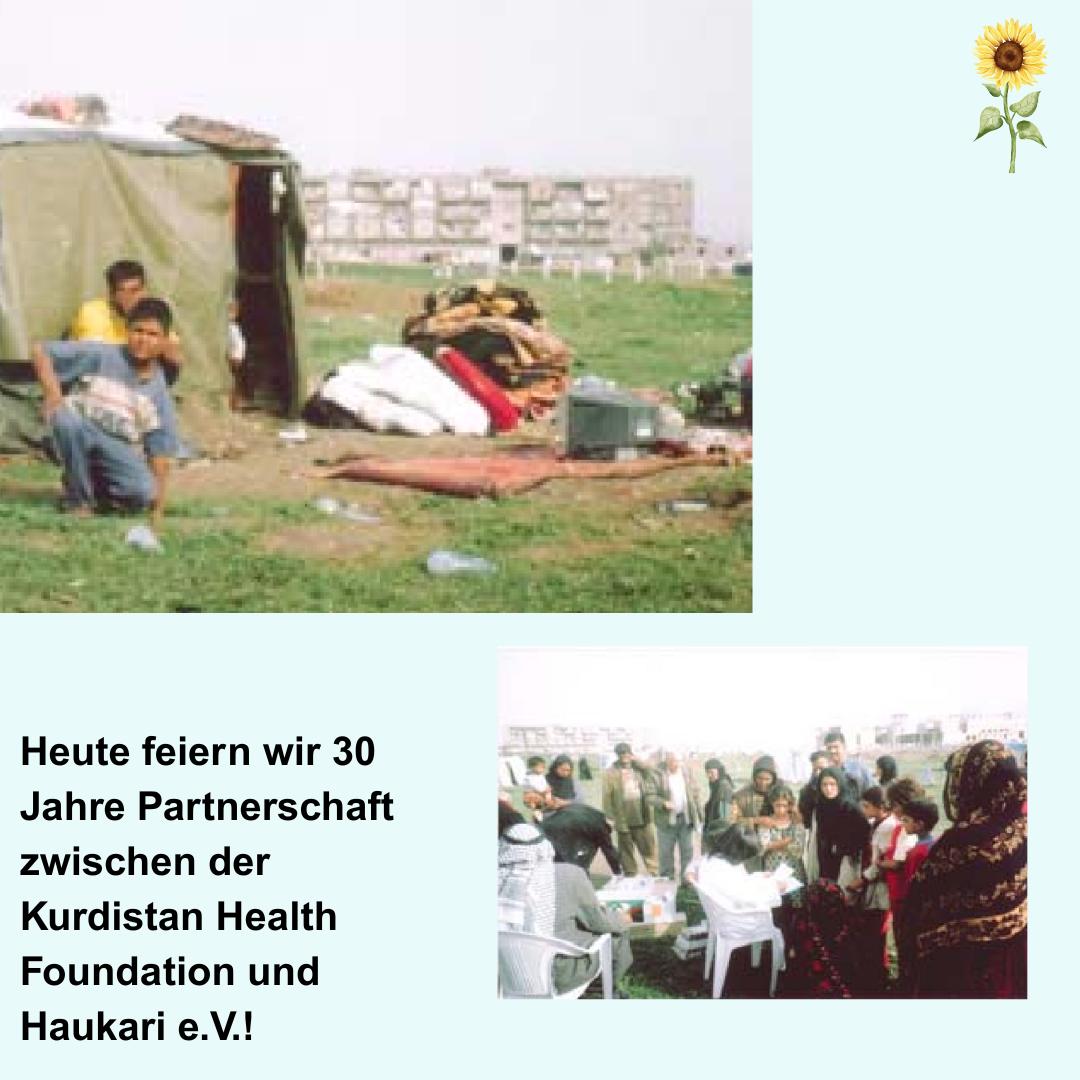
The Kurdistan Health Foundation was founded in the 1980s as an organization of Kurdish healthcare workers. Since then, it has provided basic medical care, health education, preventive medicine, and emergency aid for displaced people. Its work focuses on the Garmian region, particularly in rural areas lacking medical infrastructure.
Today we want to celebrate 30 years of cooperation between Haukari and the KHF!
1998
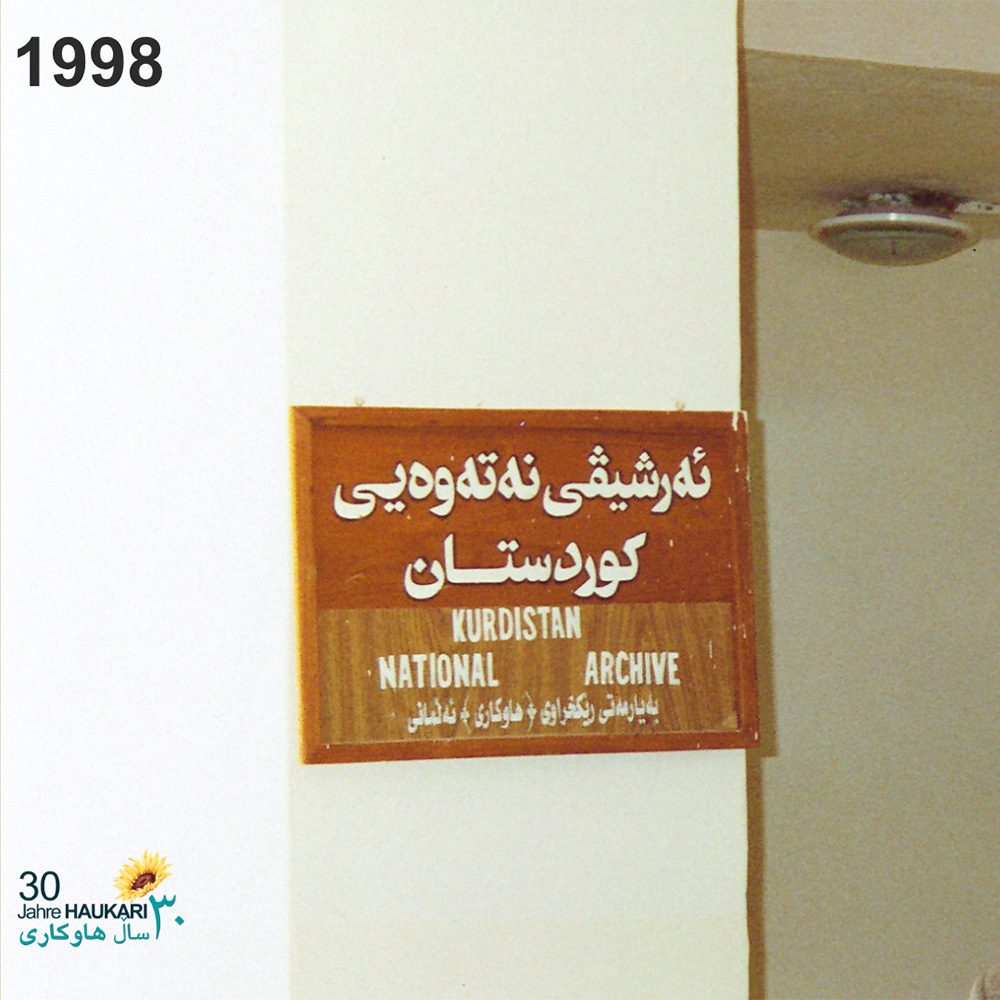
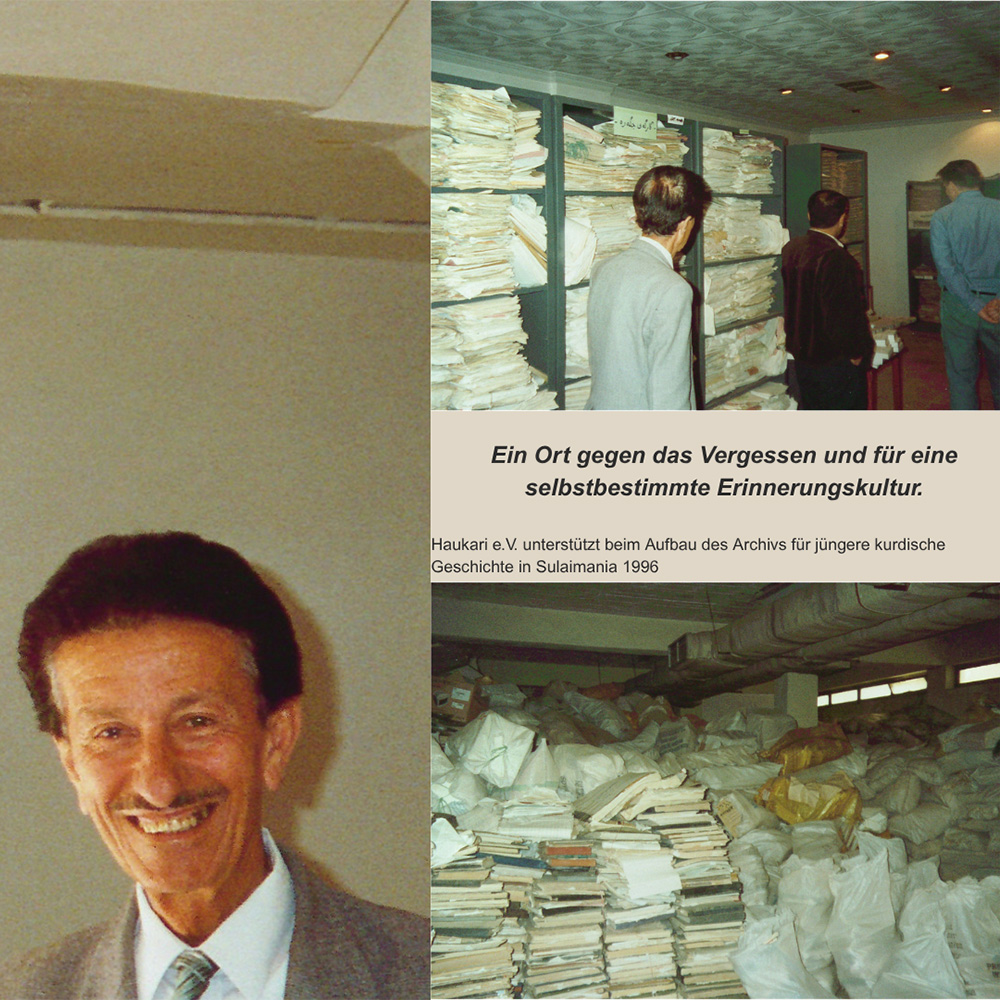
In 1998 HAUKARI e.V. supports the establishment of a historical archive on recent Kurdish history in Sulaimania. Among the many testimonies of memory are documents and voices that bear witness to the Anfal operations.
The archive becomes a place against forgetting and stands for a self-determined culture of remembrance.
1999

Prison Project Khanzad
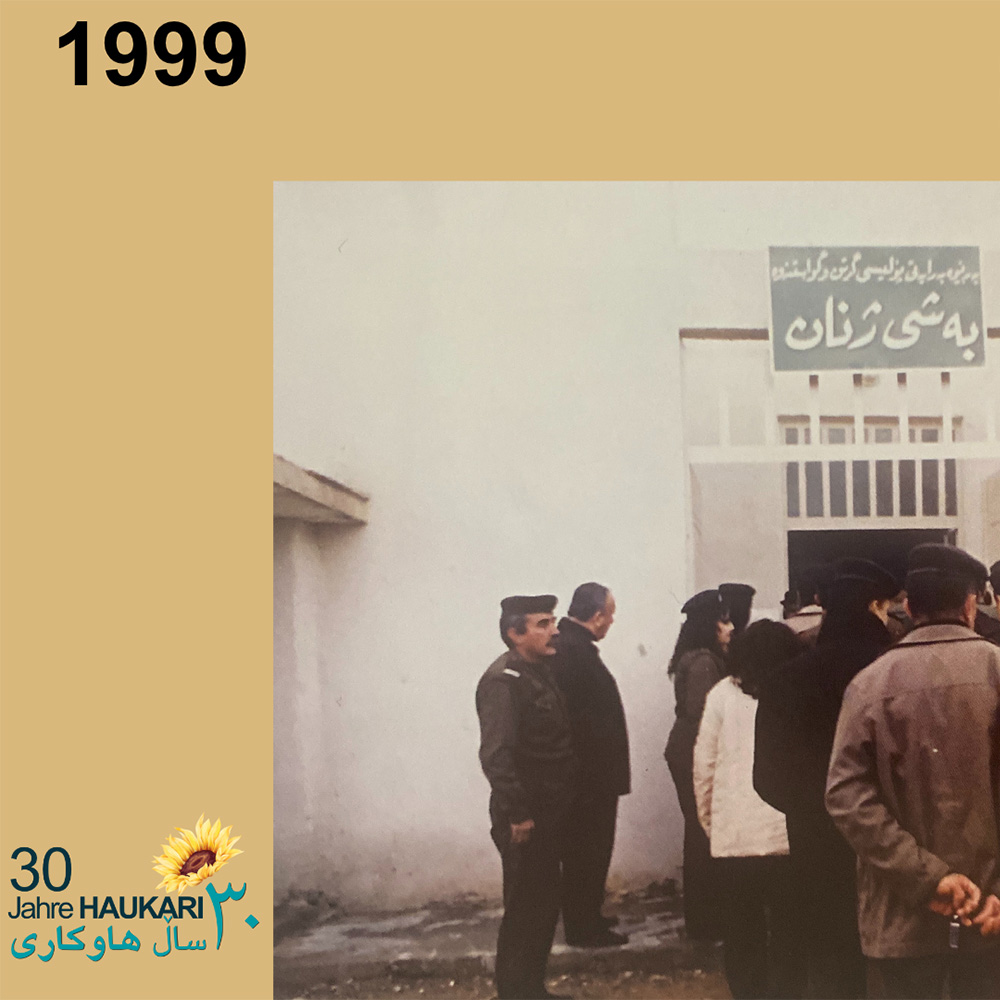
In 1999, KHANZAD began a new chapter by working in the women’s detention and transfer prison in Sulaimania- where female detainees were confined to a single room in the men’s section.
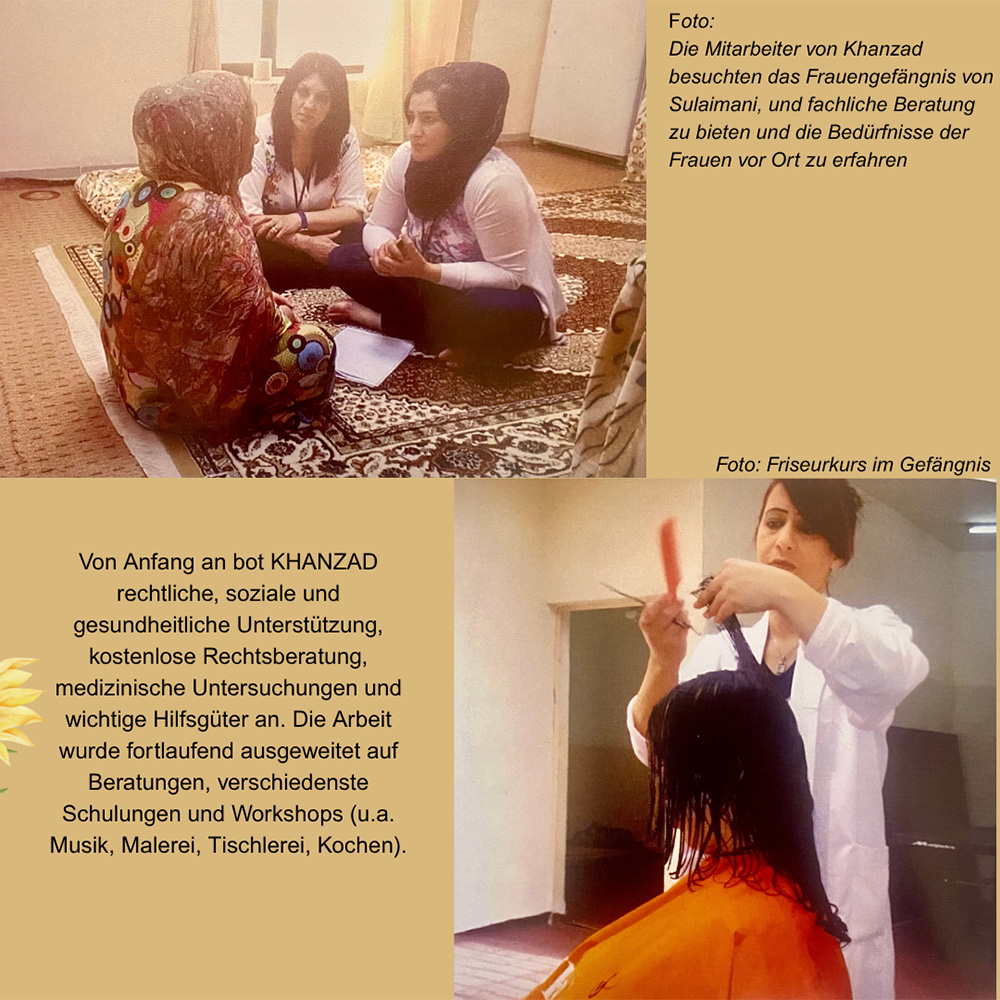
From day one, KHANZAD provided legal, social, and health support, free legal aid, medical checkups, and essential supplies. Seeing the harsh conditions, KHANZAD pushed the Kurdistan Regional Parliament and Ministry for change. In 2006, their efforts paid off: the women’s prison became a separate facility, fully staffed by women.
Similarly, Khanzad- with early support from NPA , followed by a long-standing partnership with Haukari e.V., KHANZAD started working in social correctional prisons, especially for women and juveniles, also extended its work to juvenile and women’s correctional facilities- offering counseling, skills training, and workshops (from music and painting to carpentry and cooking). An accelerated education program and a special meeting space for women inside the prison were also launched.
This work became a cornerstone in KHANZAD’s journey and impact and they are working to continue it to this day.
2000
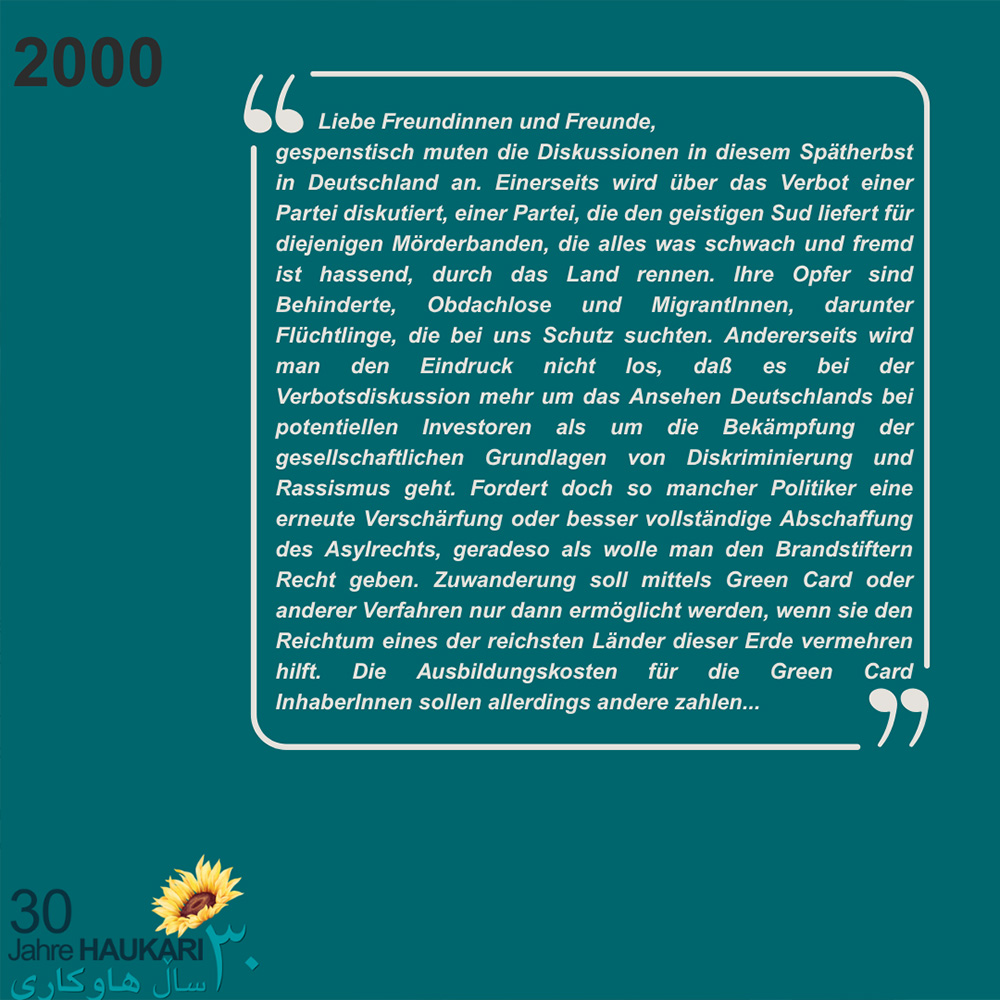
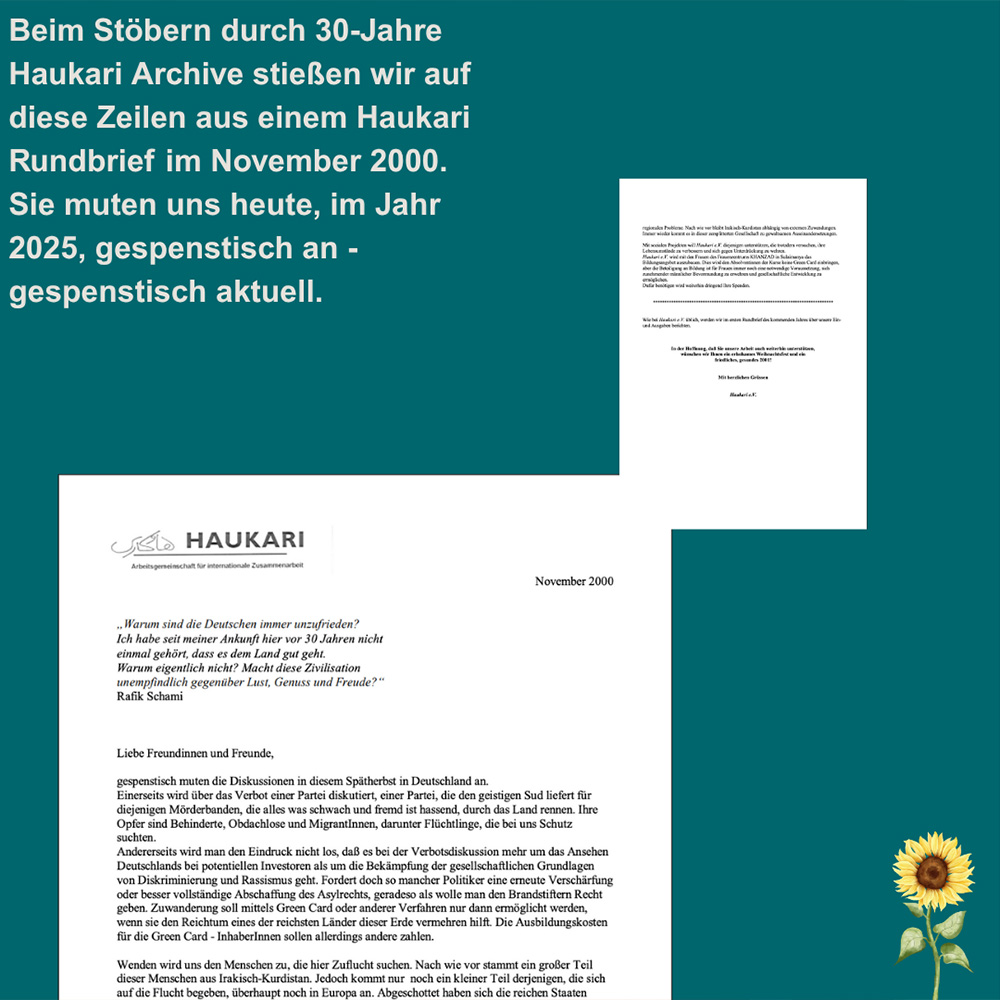
“Dear friends,
The discussions in Germany this late autumn seem spooky. On the one hand, there are discussions about banning a party, a party that provides the intellectual fuel for the gangs of murderers who run through the country hating everything that is weak and foreign. Their victims are the disabled, the homeless and migrants, including refugees who have come to us for protection. On the other hand, one cannot shake off the impression that the discussion about a ban is more about Germany’s reputation with potential investors than about combating the social foundations of discrimination and racism. Many a politician is calling for the asylum law to be tightened up again or, better still, completely abolished, as if to prove the arsonists right. Immigration should only be made possible by means of green cards or other procedures if it helps to increase the wealth of one of the richest countries in the world. However, the training costs for green card holders should be paid for by others…”
While looking through 30 years of Haukari archives, we came across these lines from a Haukari newsletter in November 2000. Today, in the year 2025, they seem spooky to us – spookily current.
2001
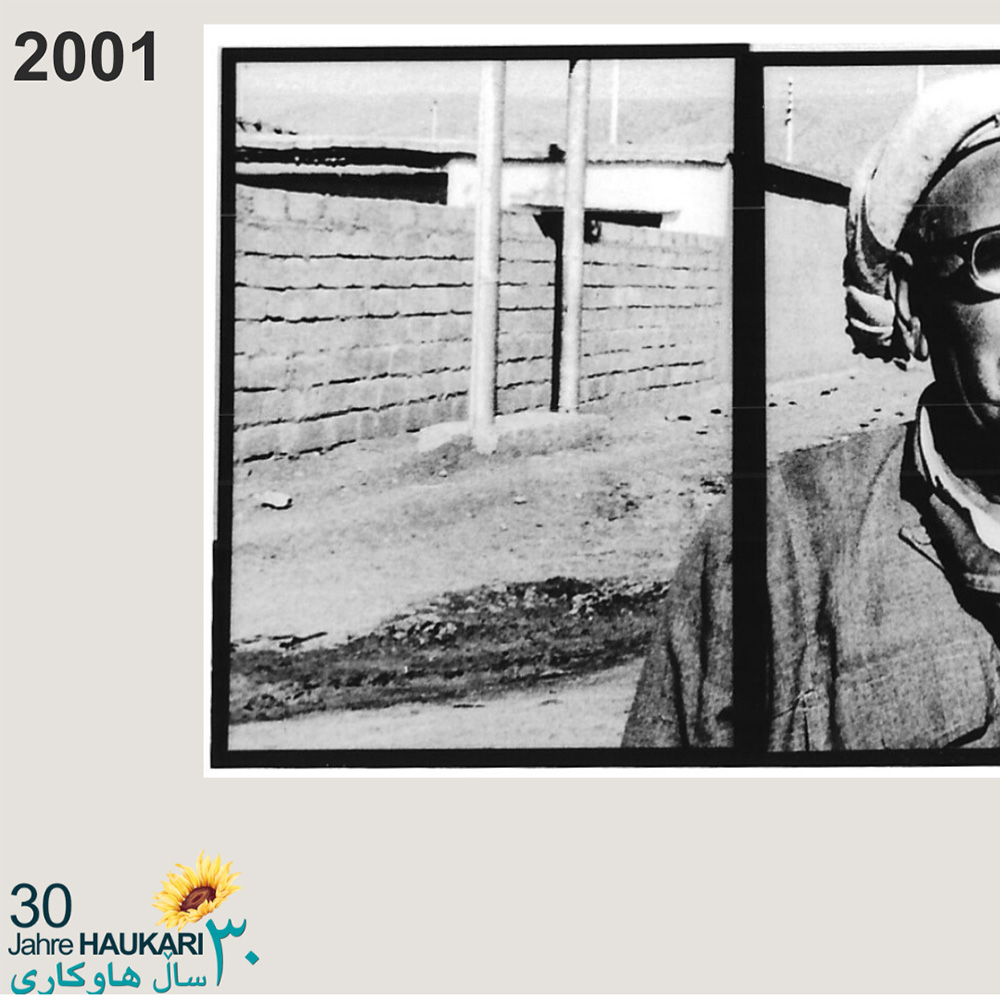
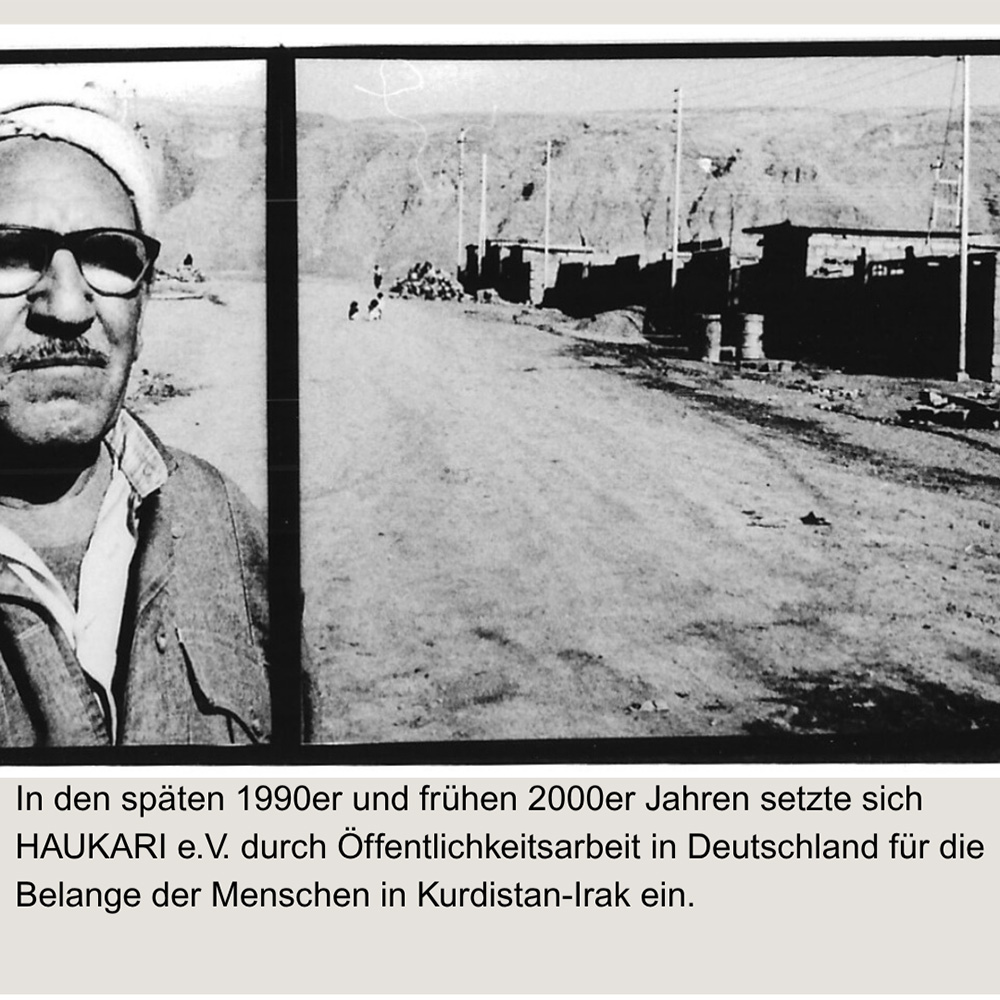
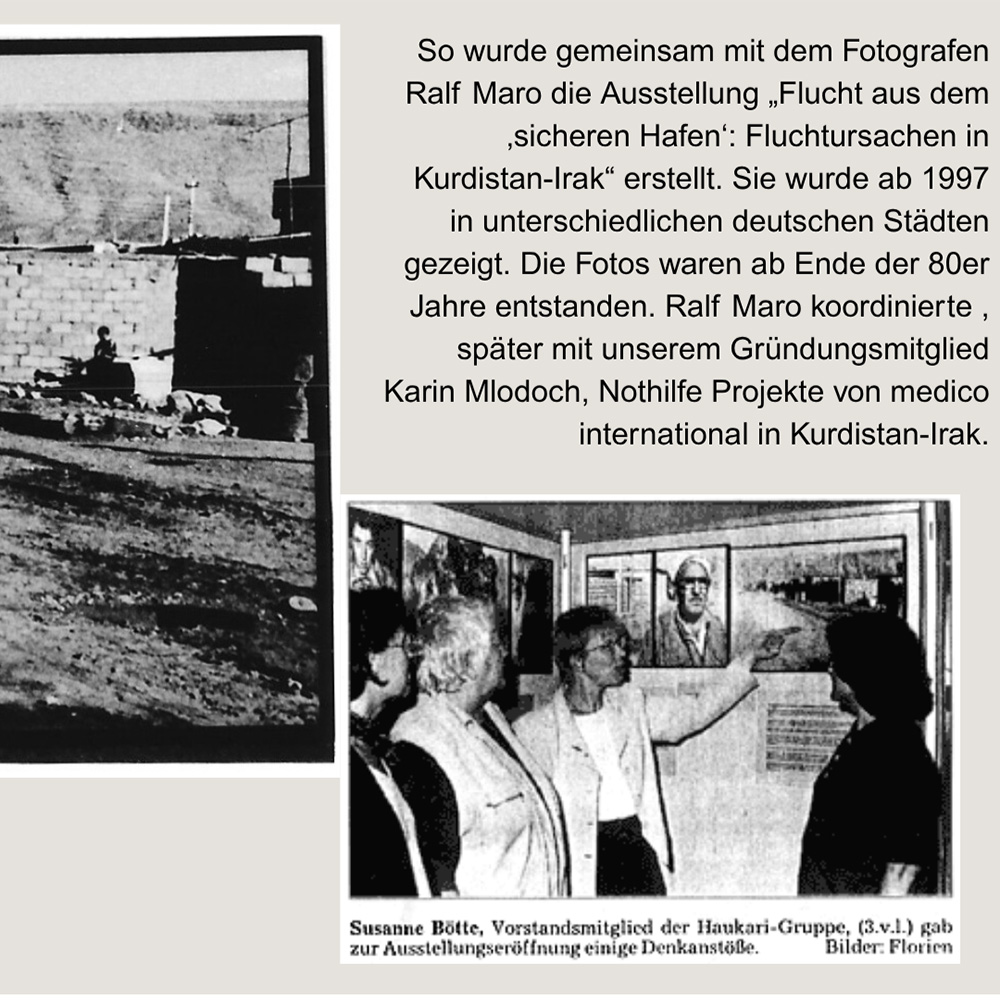
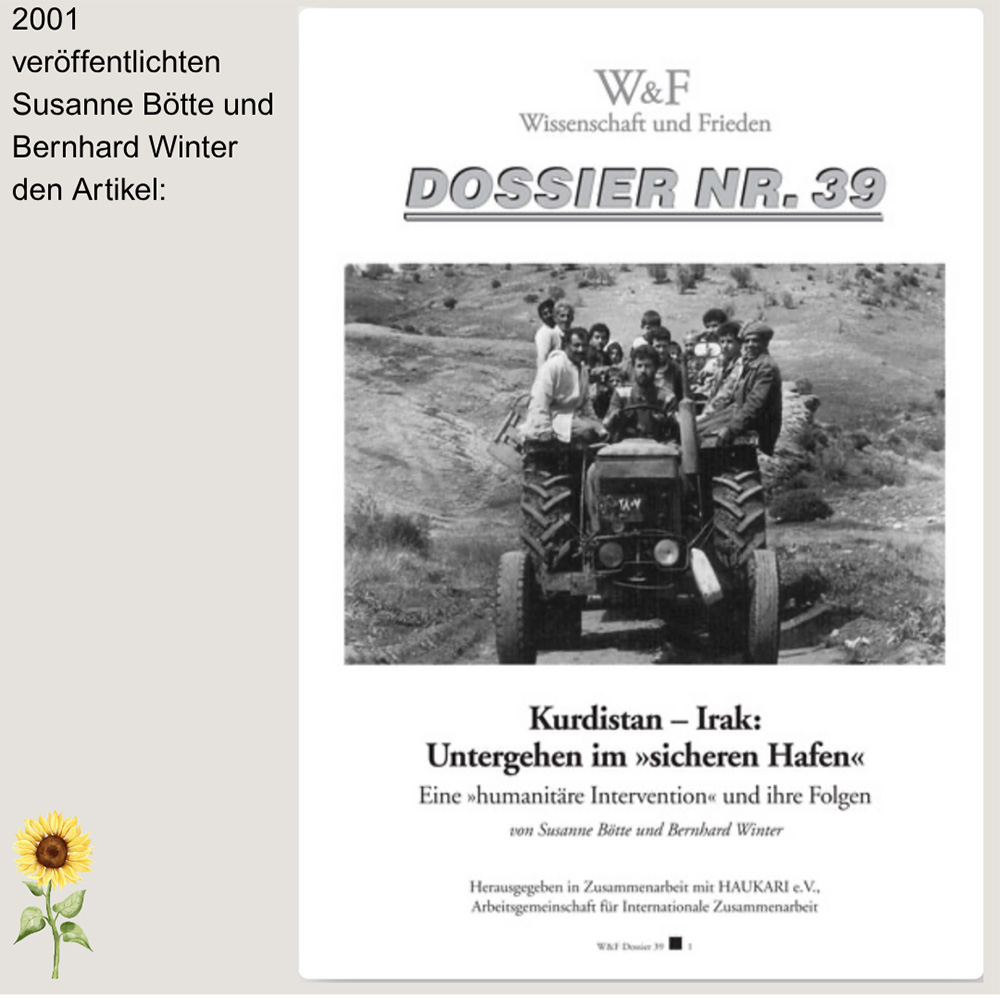
In the late 1990s and early 2000s, HAUKARI e.V. campaigned for the interests of people in Kurdistan-Iraq through awareness raising in Germany. Together with the photographer Ralf Maro, the exhibition “Escape from the “safe harbour”: Causes of Flight in Kurdistan-Iraq was created. It was shown in various German cities from 1997 onwards. The photos were taken from the end of the 1980s. Ralf Maro, later together with our founding member Karin Mlodoch, coordinated medico international’s emergency aid projects in Kurdistan-Iraq. In 2001, Susanne Bötte and Bernhard Winter published the article: ‘Kurdistan – Iraq: Sinking in the safe harbour
A ’humanitarian intervention‘ and its consequences’.
2002
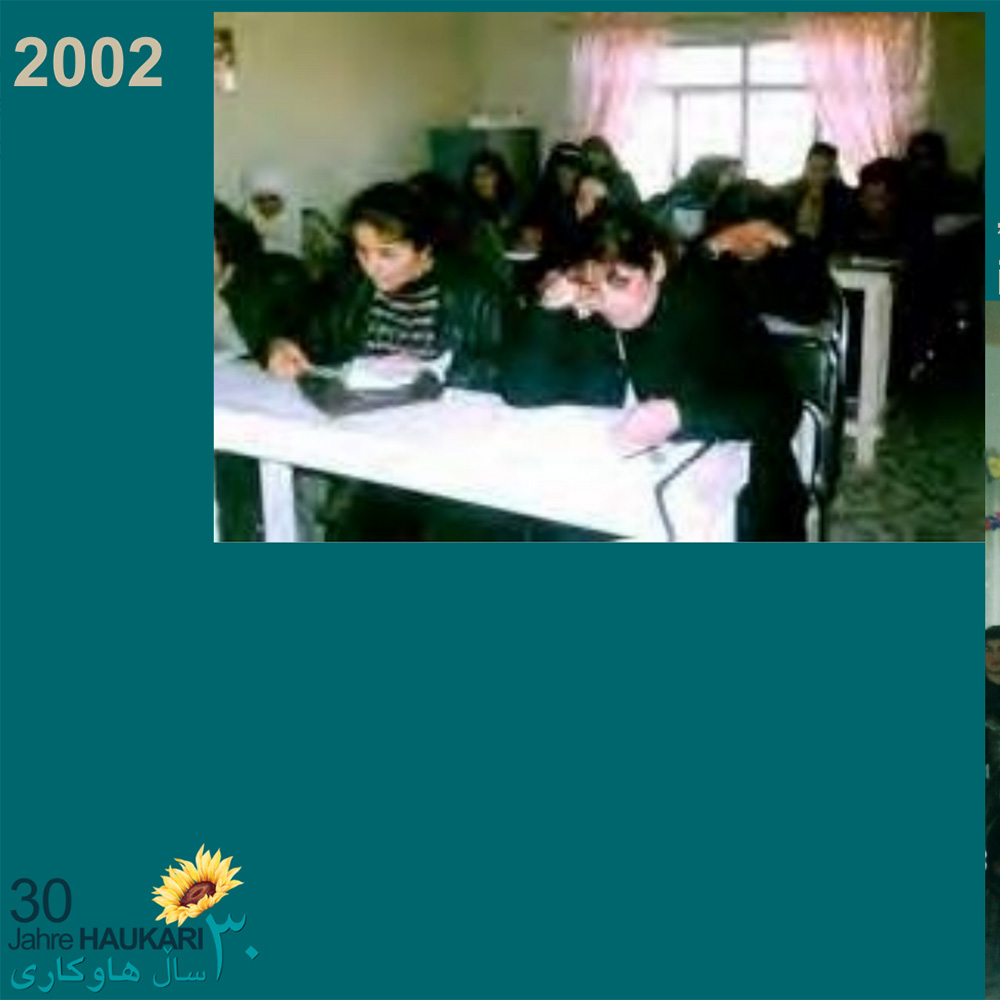
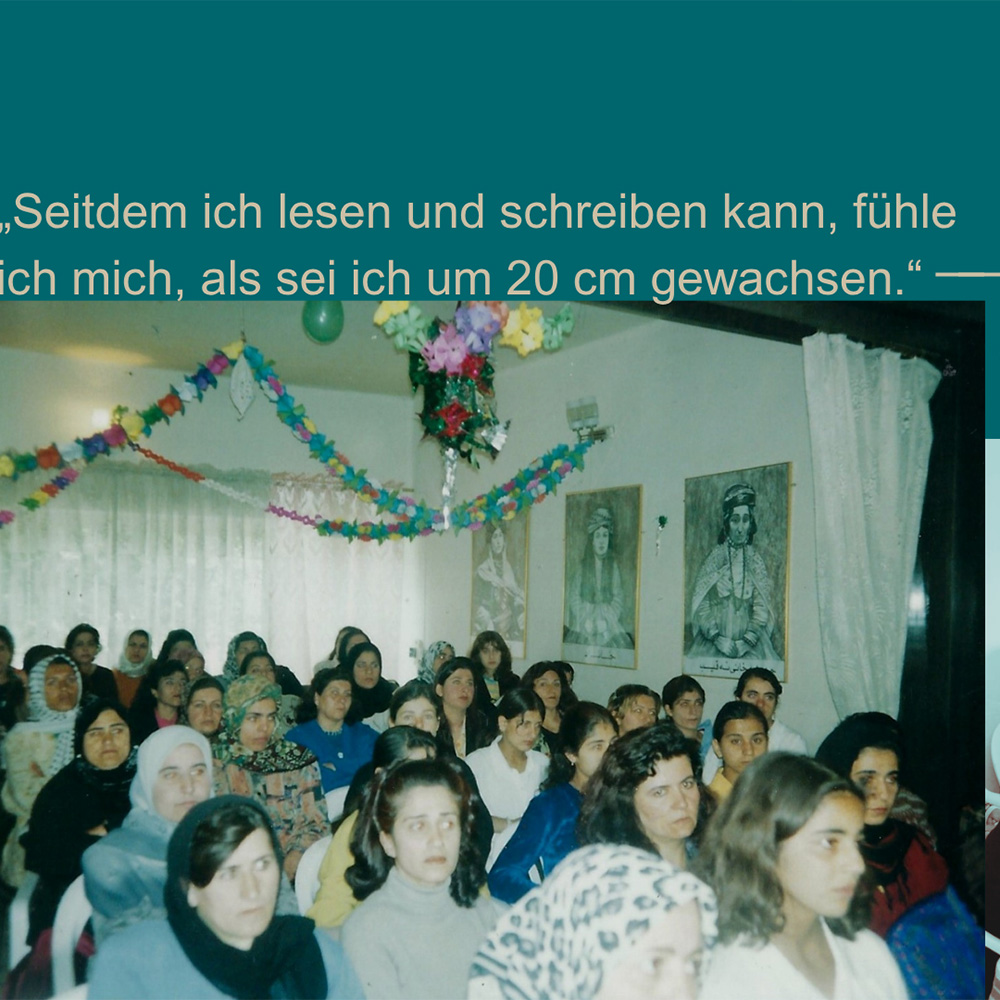
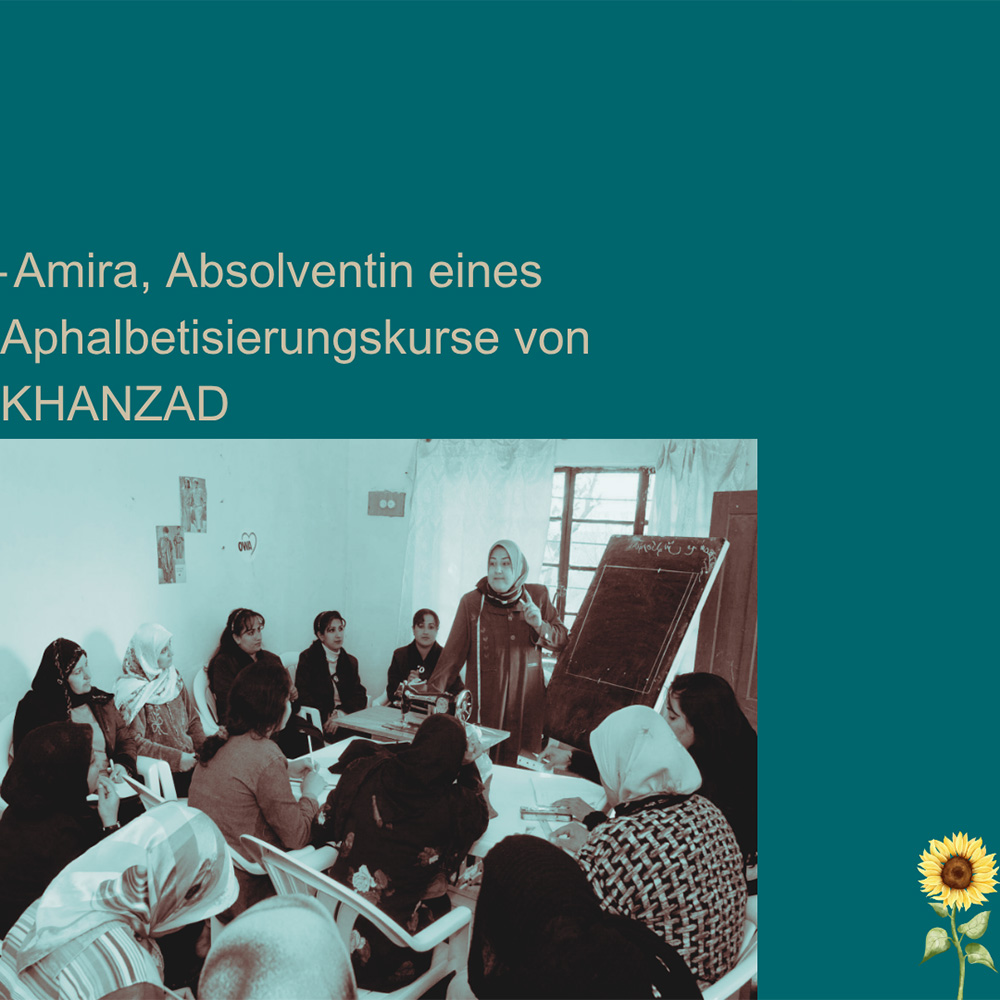
‘Since I can read and write, I feel like I’ve grown 20 cm.’
– Amira, graduate of a KHANZAD aphaletisation course
2003
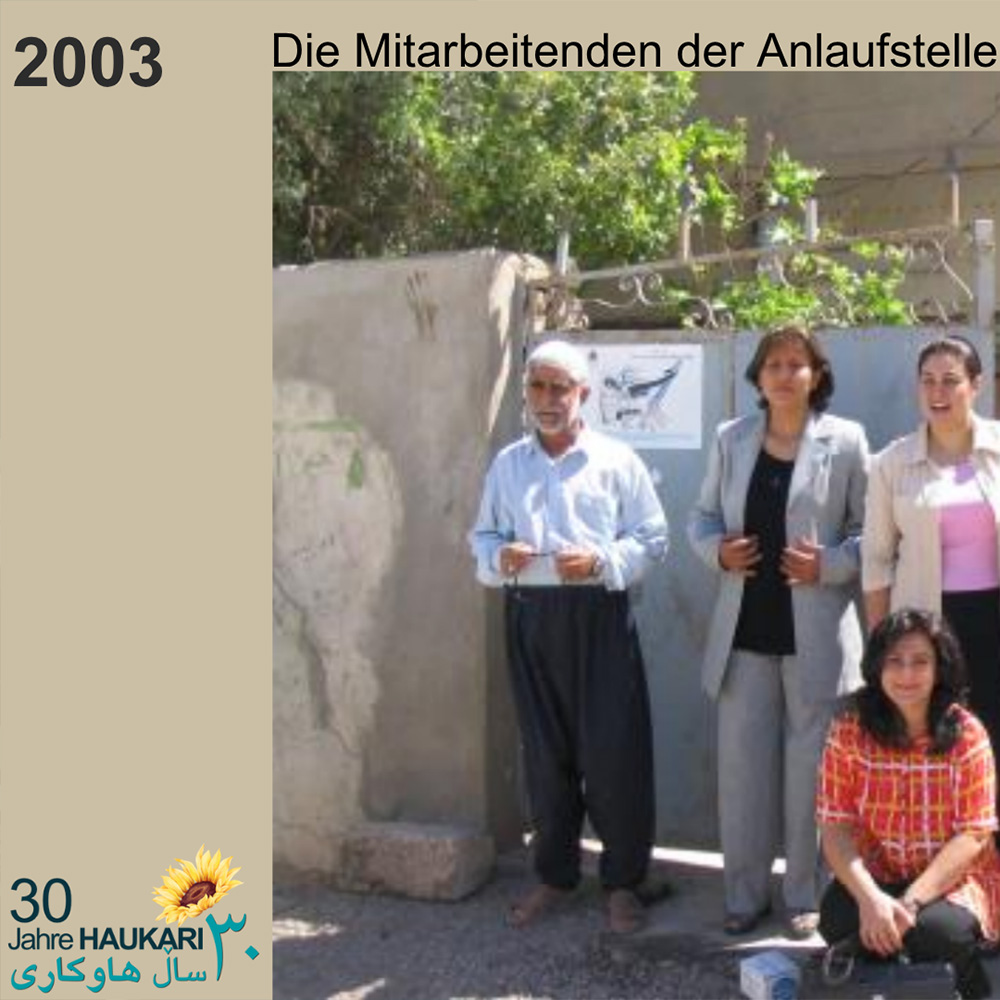
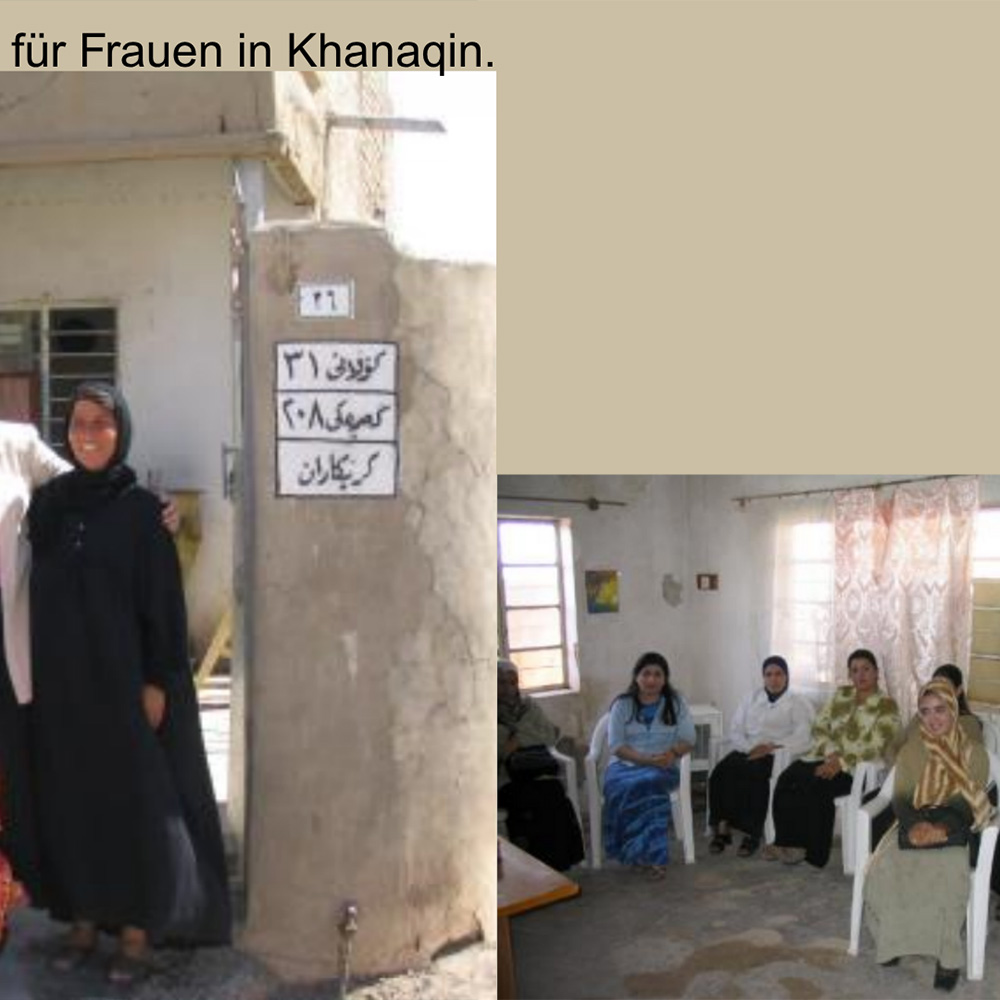
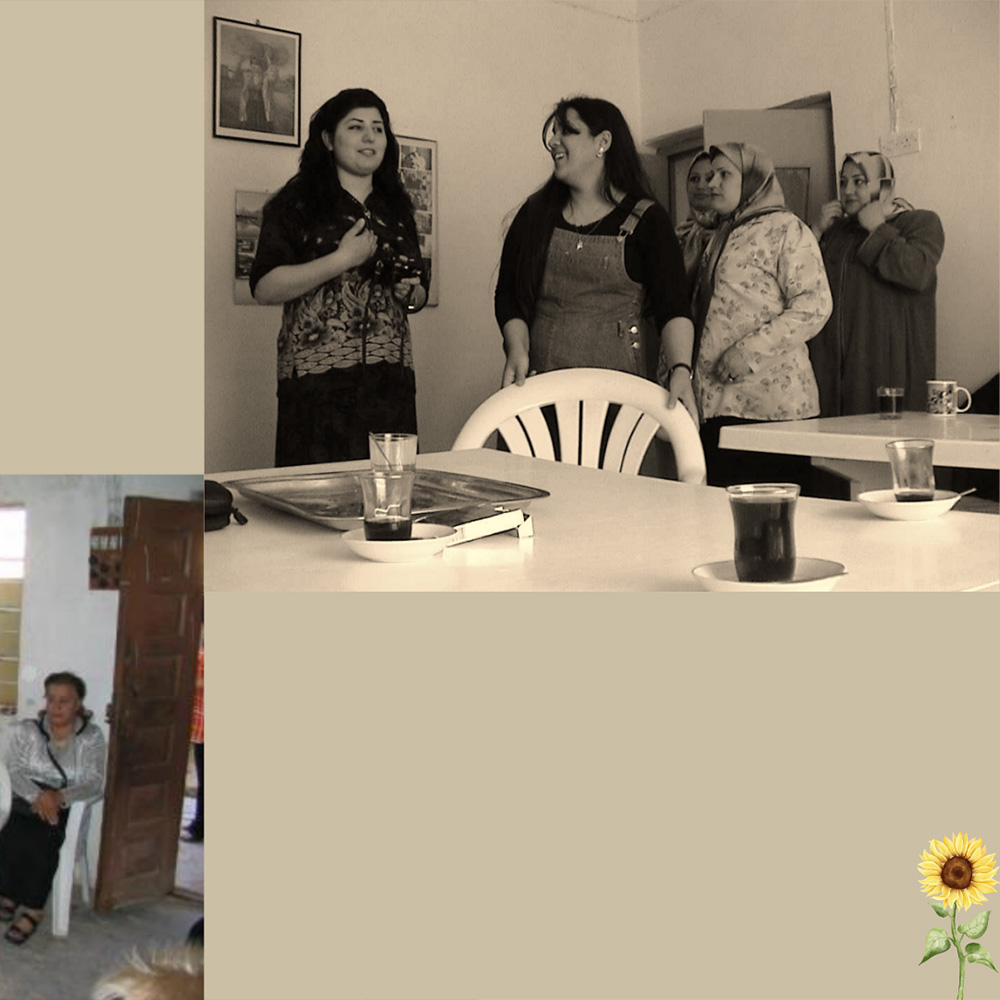
The multi-ethnic and multi-religious city of Khanaqin had suffered decades of political violence, infrastructural and economic neglect and Arabisation policies under the Baʿath regime. With the fall of the regime in 2003, numerous social, economic and political challenges were faced. One of the consequences of the conflict-ridden situation, which was characterised by economic hardship, was increased violence against women within families. In this situation, the KHANZAD team from Sulaimania supported women with legal, psychological, health and family problems, initially with mobile counselling teams and later also with a contact point in Khanaqin. The team was made up of Turkmen, Kurdish and Arab lawyers, nurses, social scientists and social workers.
2004
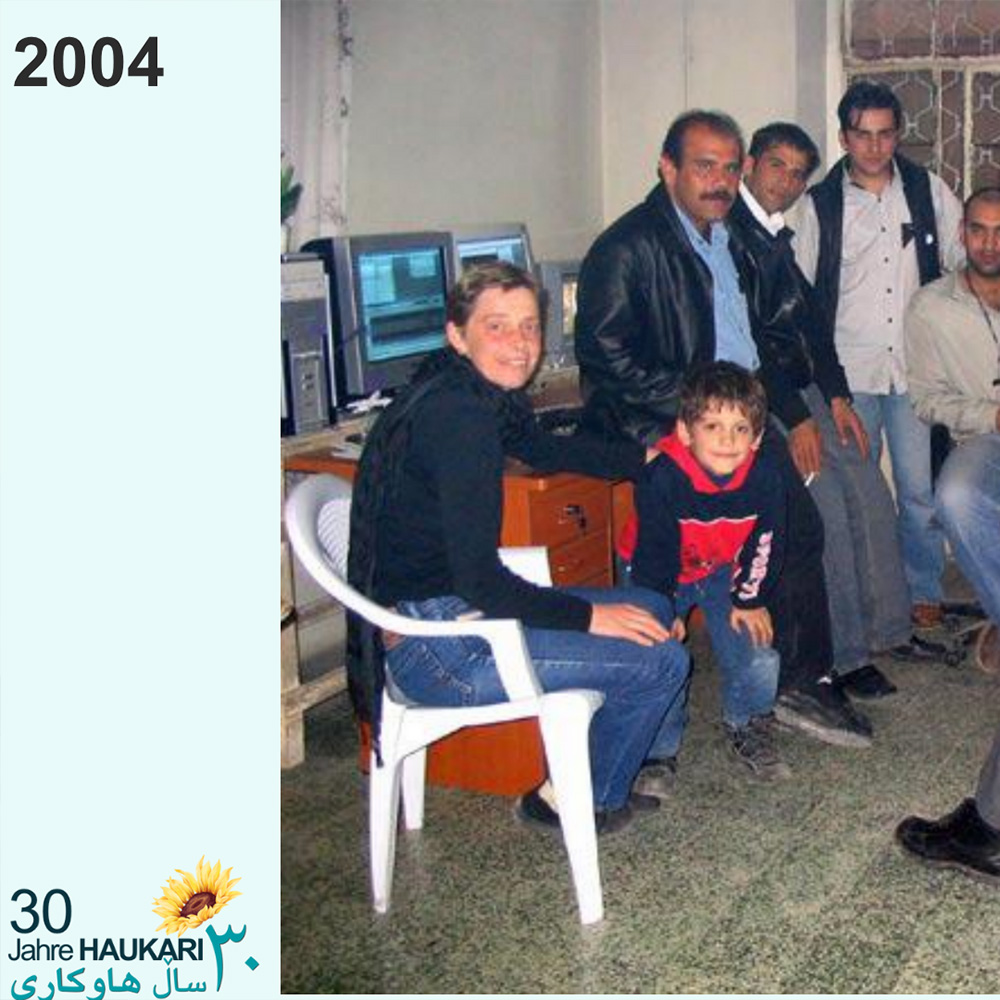
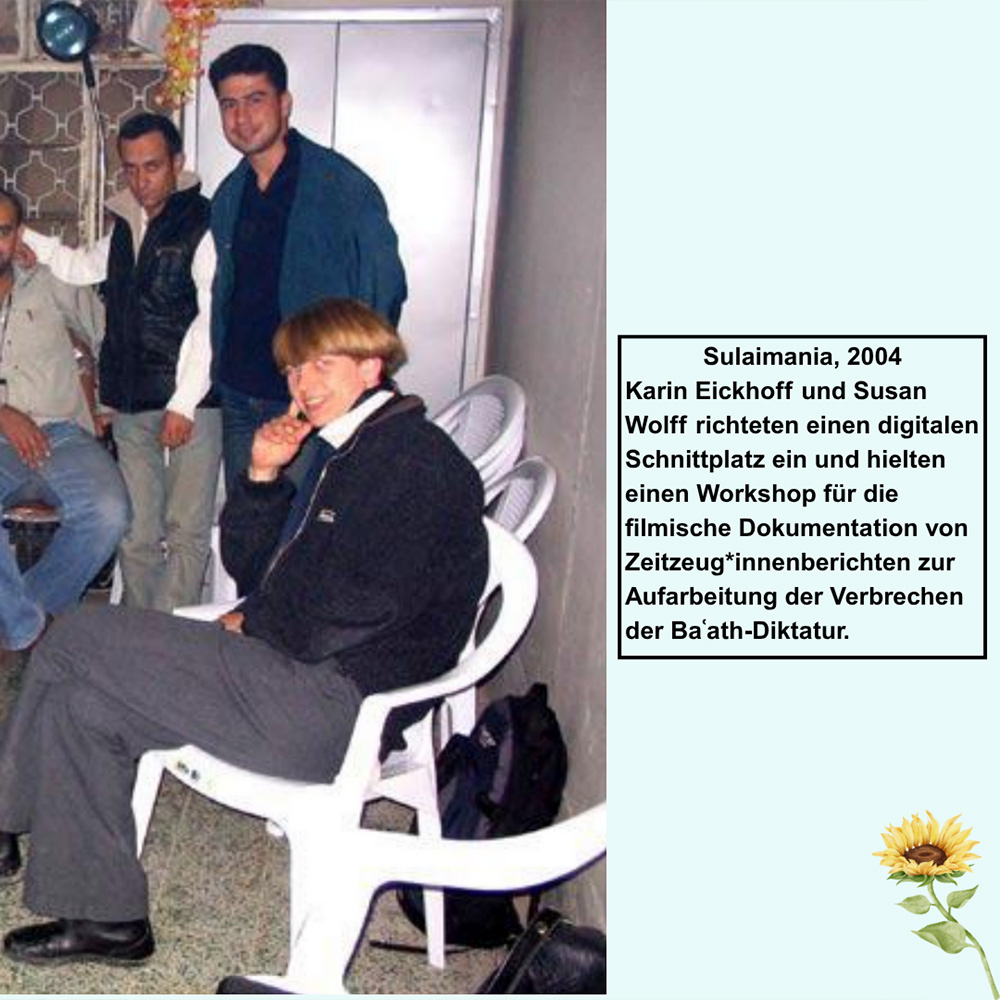
STORIES IN MOTION
In April 2004, Karin Eickhoff and Susan Wolff traveled to Sulaimania on behalf of Haukari e.V. to set up a digital video editing suite and conduct a one-week technical workshop. This was part of a project aimed at supporting survivors of the Ba’ath dictatorship. One of the project’s goals was to document eyewitness accounts on film as a significant contribution to remembrance and dealing with the past.
The challenges on the ground were real: the editing suite was built using imported hardware and donated software, and a generator on the roof provided the necessary power supply.
Karin and Susan brought their expertise as a computer technician and film editor into an intensive exchange on technical issues. The fact that the workshop was led by two women was not only readily accepted by participants from the start, but also sparked engaging conversations about gender roles in technical professions—both in Europe and in Iraq.
Film and video have been an essential part of Haukari’s work from the very beginning. A selection of films produced over the past 30 years can be found in the media library on our website.
2005
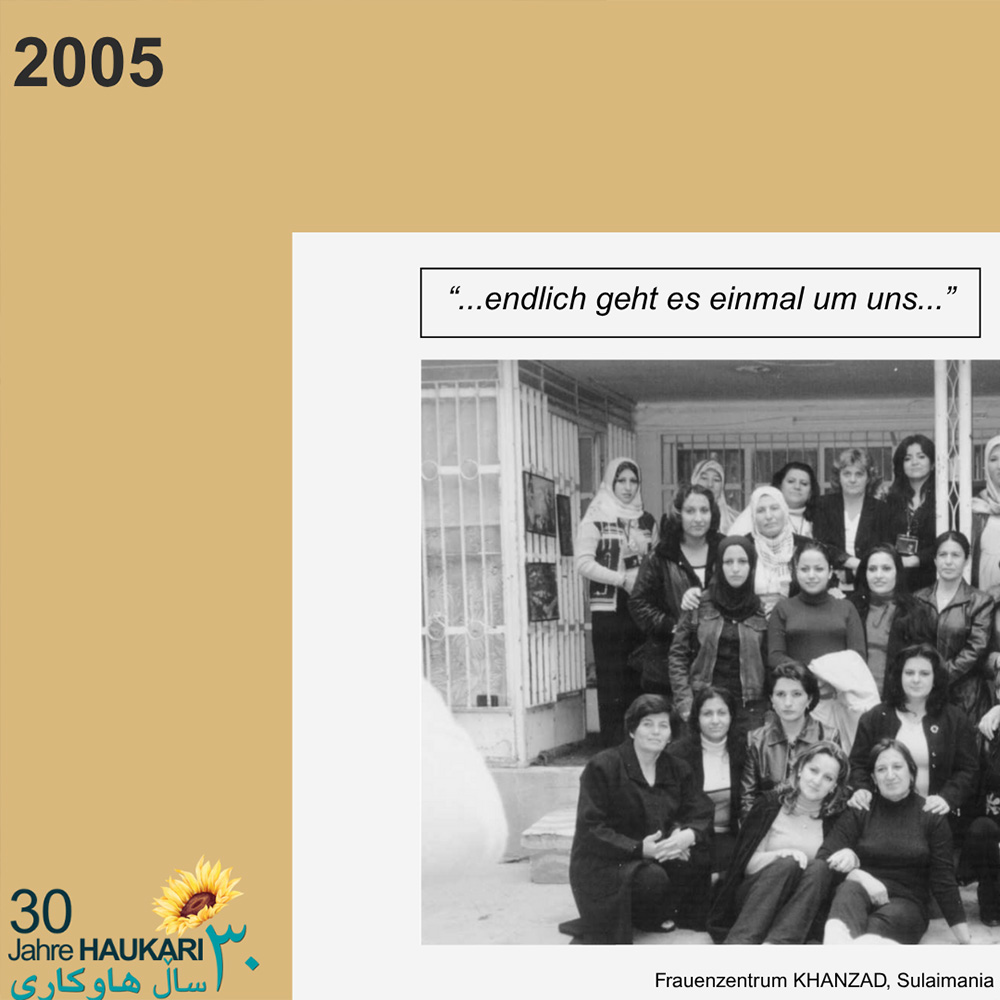
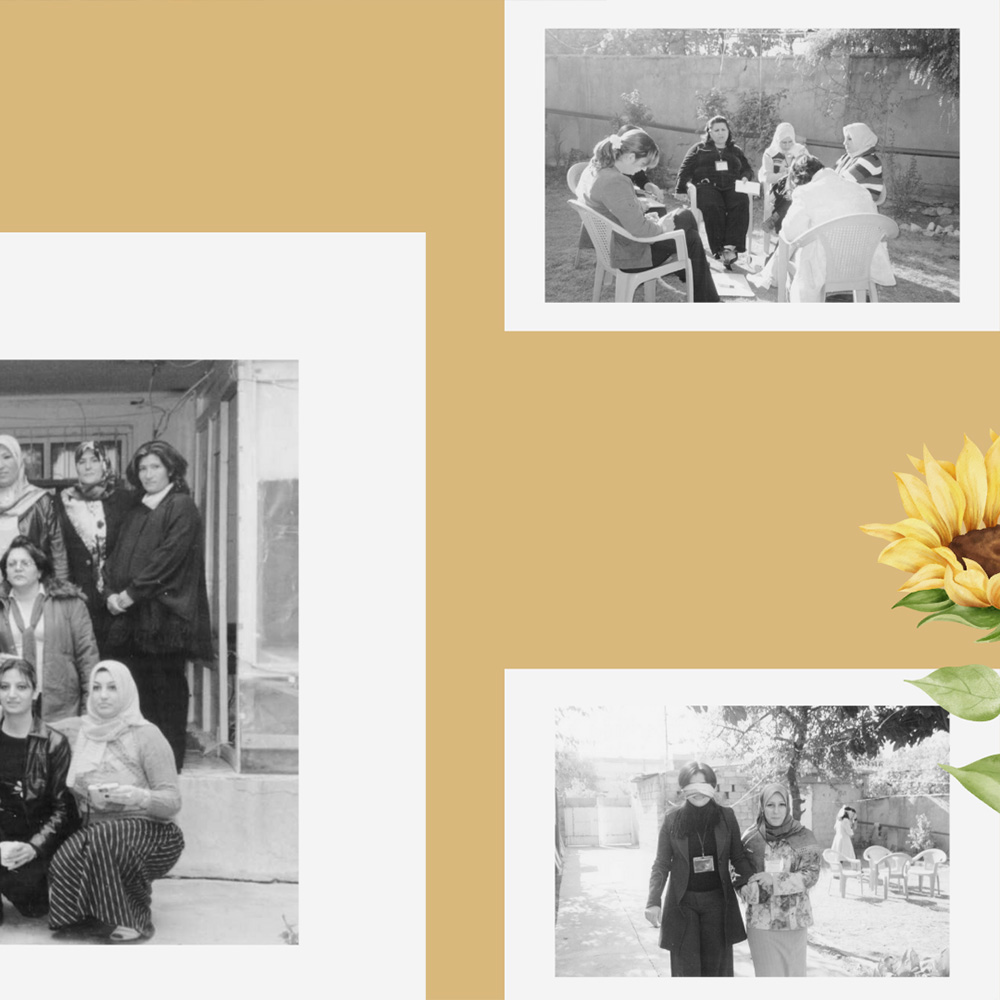
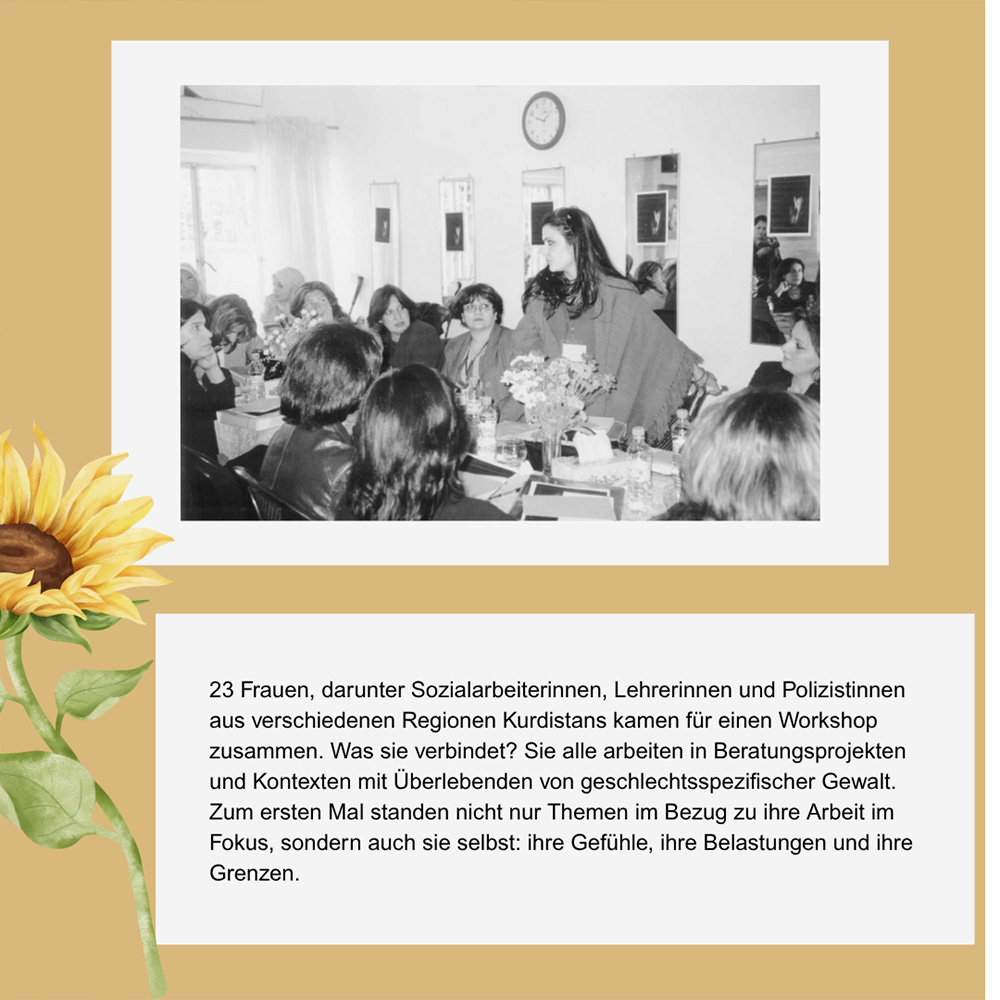
“Finally, it’s about us”
At the KHANZAD Women’s Center in Sulaimania, a workshop for 23 women working in counseling projects for female survivors of violence was held.
The participants came from various regions of northern and central Iraq, including social workers, teachers, and police officers from Tuz Khurmatu, Erbil, Dohuk, Halabja, and Rawanduz.
The workshop was part of a training program initiated by HAUKARI e.V. focused on psychosocial counseling for women affected by political violence, domestic abuse, or so called “honor killings.”
The workshop covered topics such as basic counseling techniques, understanding trauma in a broader context, working with family and social systems, and stress and burnout prevention for counselors themselves. The goal was to strengthen practical skills, promote self-care, and create a space for exchange among committed female professionals all within a protected, women-only environment.
A key outcome for many participants was that the focus was not only on their work with survivors, but for once also on themselves: their emotions, their burdens, and their limits.
2006
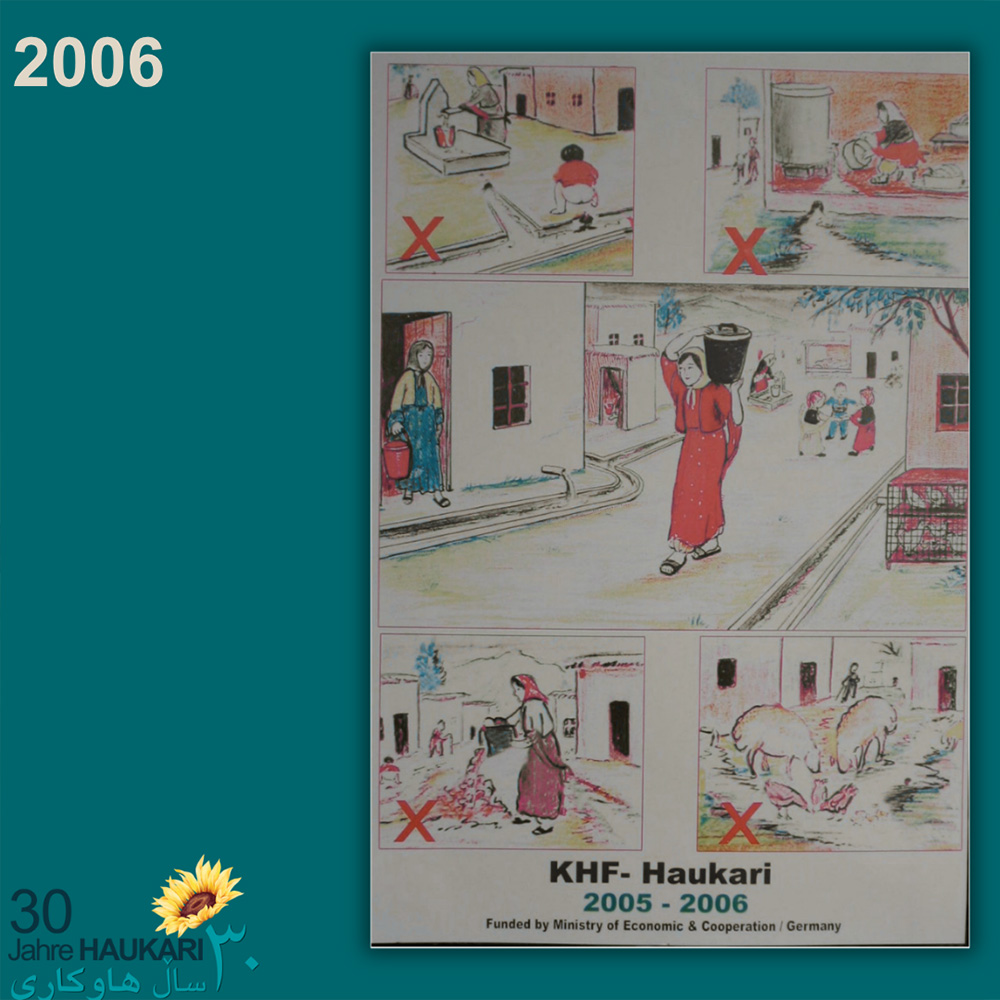

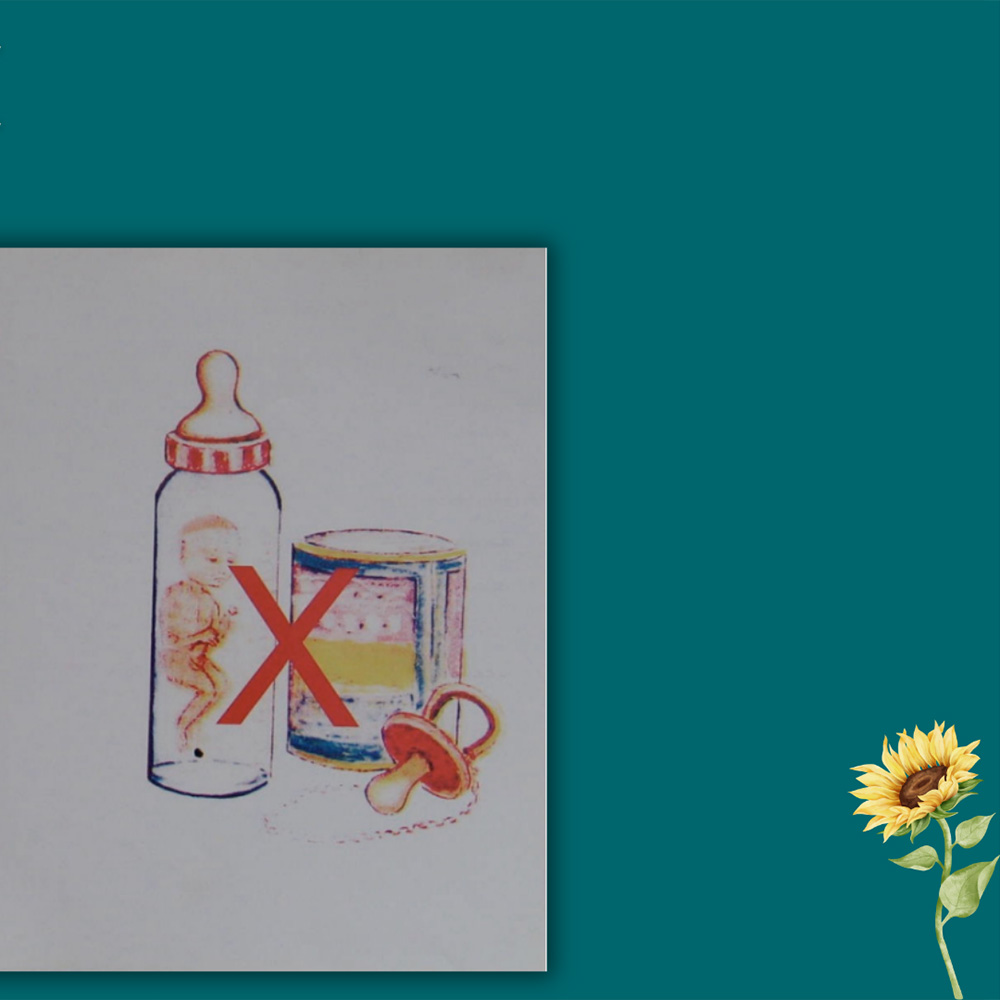
Im Jahr 2006 leistete die Kurdistan Health Foundation (KHF) präventive Gesundheitsversorgung in Dörfern in der Region Garmian.
Die mobilen Teams der KHF arbeiteten in abgelegenen Dörfern, in denen es keine Gesundheitsposten gab. Die Dörfer waren 1988 durch die genozidalen Anfal-Operationen des Baath-Regimes vollständig zerstört worden. Die Überlebenden, überwiegend Frauen und Kinder, konnten erst nach vielen Jahren und nur teilweise in ihre Dörfer zurückkehren. Sie hatten in Umsiedlungslagern mit schlechten hygienischen Bedingungen und kaum Bildungsmöglichkeiten ausgeharrt.
Jedes Team bestand aus einem*r Doktor*in, einem*r Sozialarbeiter*in, einem*r Gesundheitsaufklärer*in und einem*r Koch*in oder Techniker*in. Sie leisteten medizinische Grundversorgung und führten Gesundheitsaufklärung und Hygienemaßnahmen durch.
Der Schwerpunkt des Programms lag auf der Prävention von Krankheiten und der Stärkung der medizinischen Kompetenzen der Dorfgemeinschaften.
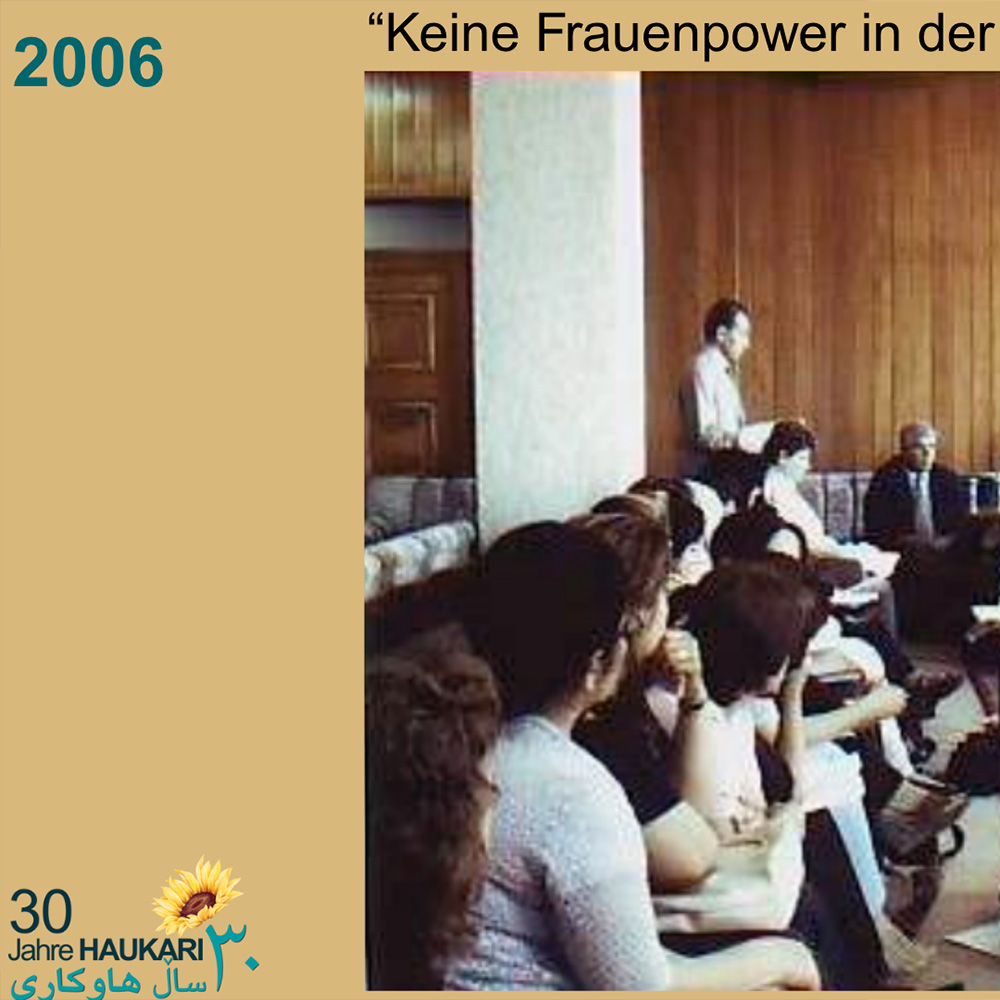

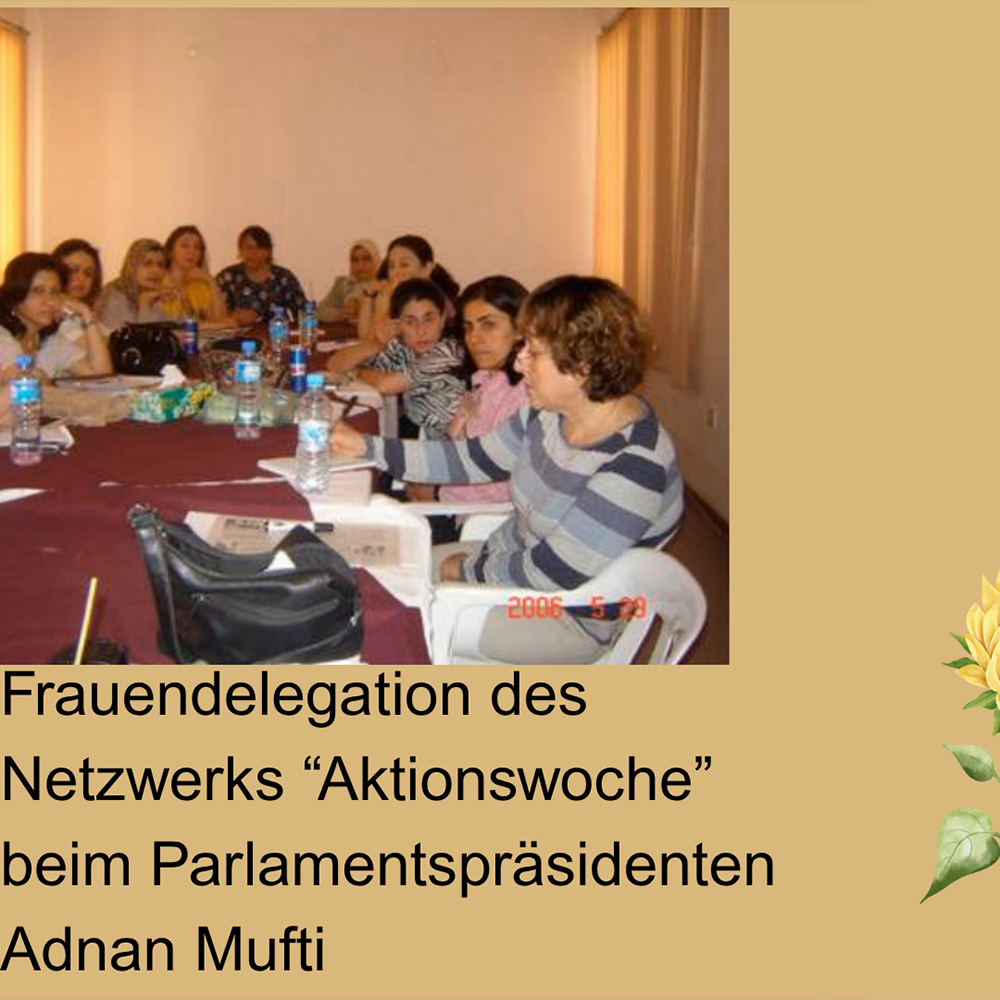
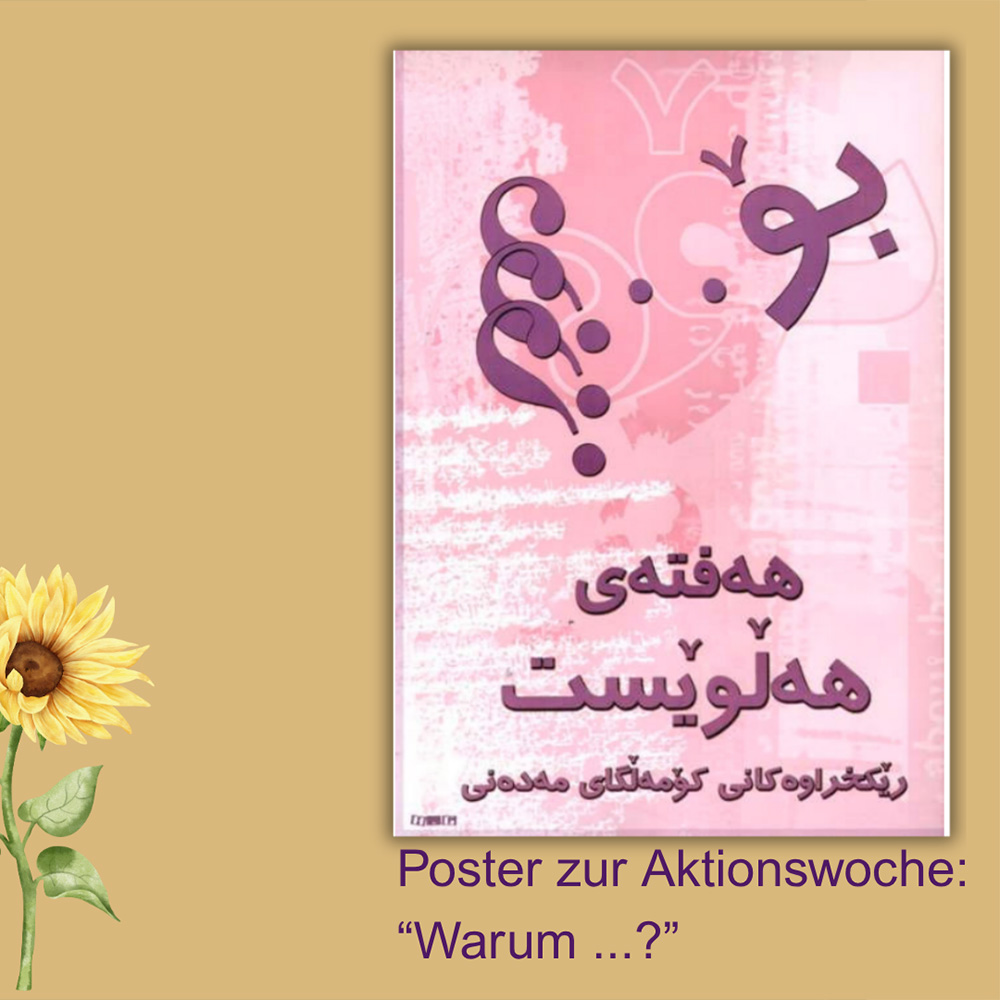
The “Action Week” alliance was founded in 2006 in response to the lack of representation of women in the Kurdistan Regional Government.
The network of women’s organisations from Erbil and Sulaimania – including KHANZAD – organised a campaign aimed at empowering women and increasing their representation in government and parliament.
As part of the campaign, protest letters and posters were drafted and published, meetings were held with politicians, and a memorandum was presented in parliament.
2007
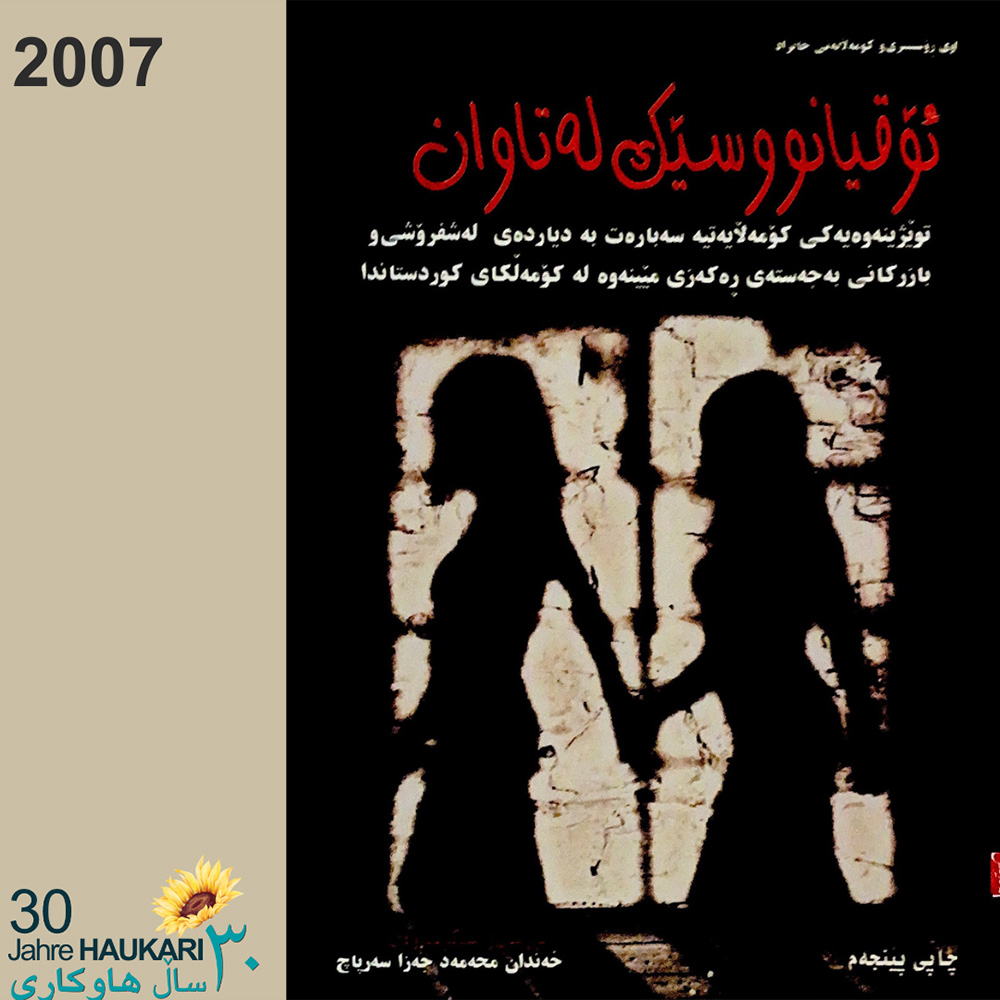
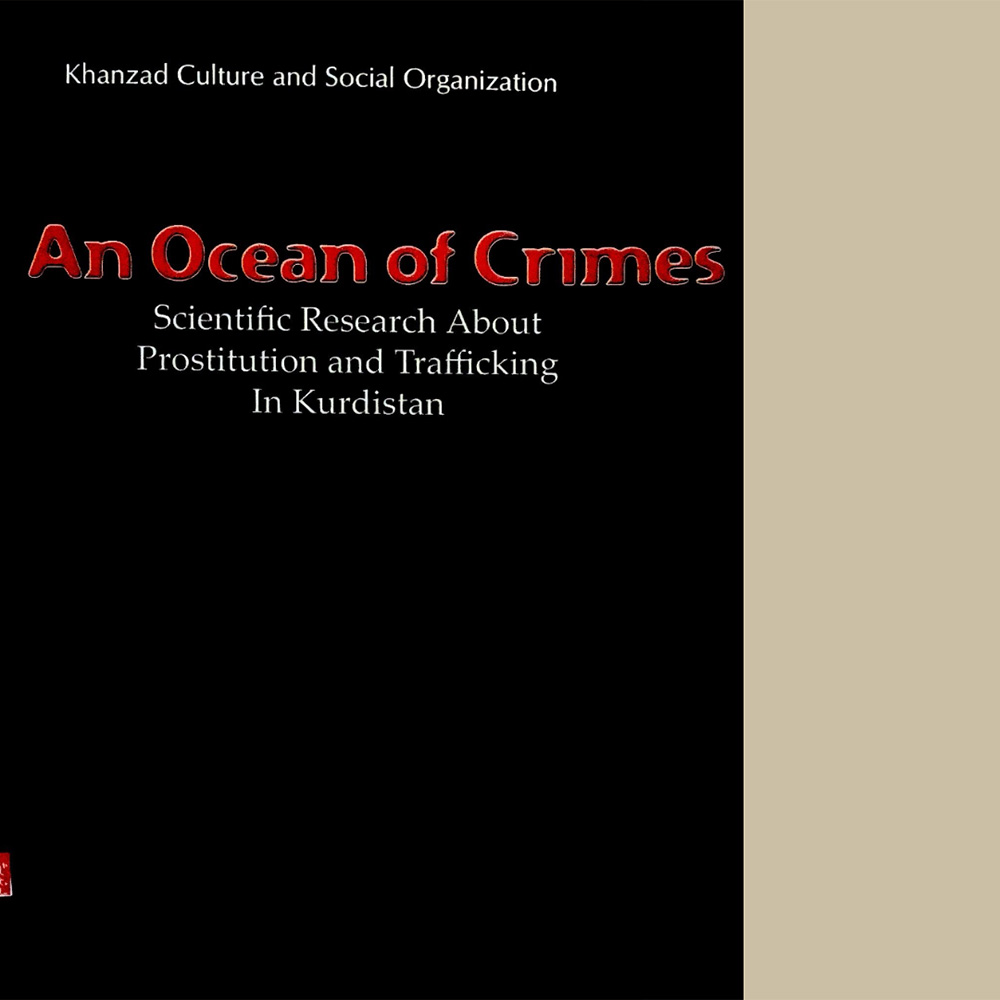
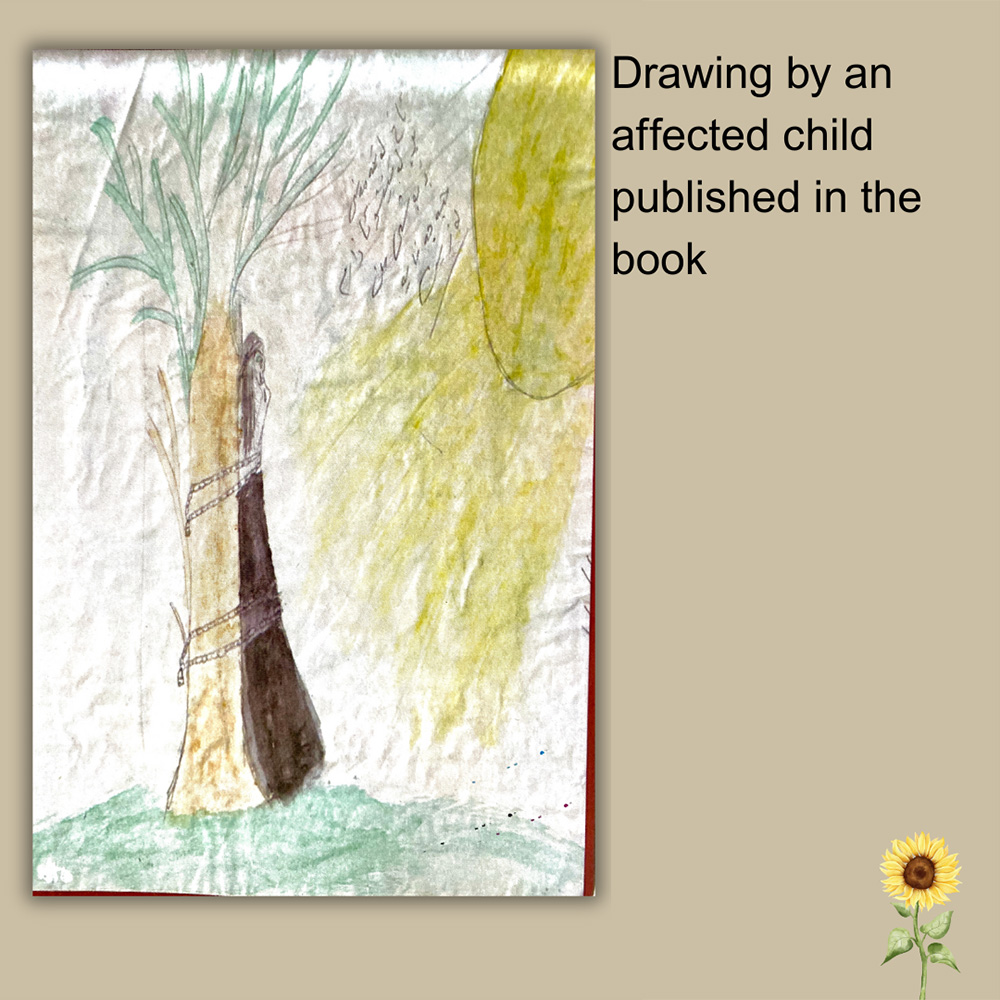
In spring 2007, HAUKARI e.V., together with the Women’s Center KHANZAD, published the book “Ocean of Crimes – A Scientific Study on Prostitution and Trafficking in Women in Kurdistan.” The publication is based on several years of work in detention facilities and interviews with affected women, clients, and „organizers“ of prostitution – often imprisoned for prostitution or adultery – and examines their social, economic, and legal backgrounds.
On 25 November 2007 – the International Day for the Elimination of Violence against Women – Khandan Mohammad Jaza, director of the Women’s Center KHANZAD of the time and co-editor of the book, received the Women’s Rights Award (Zhanparez Prize) from the Kurdistan Regional Government in Erbil for her commitment and the study.
2008
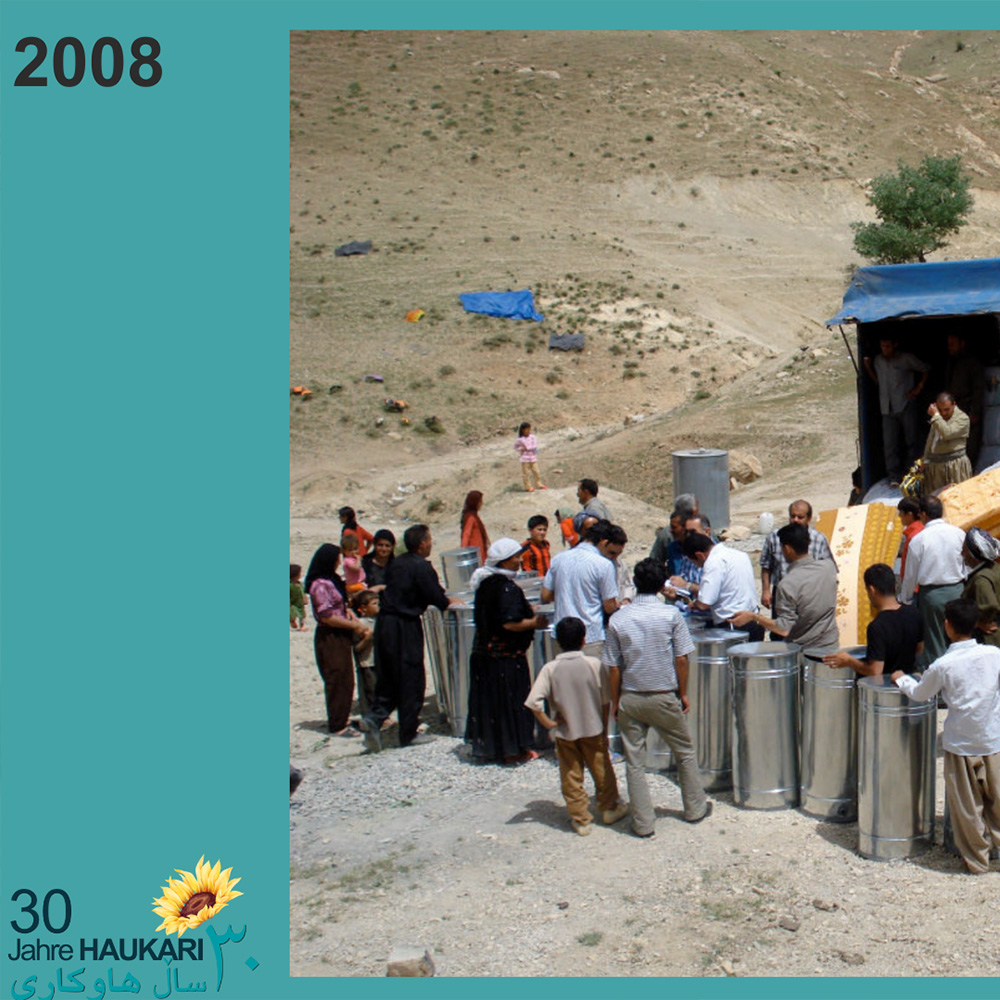
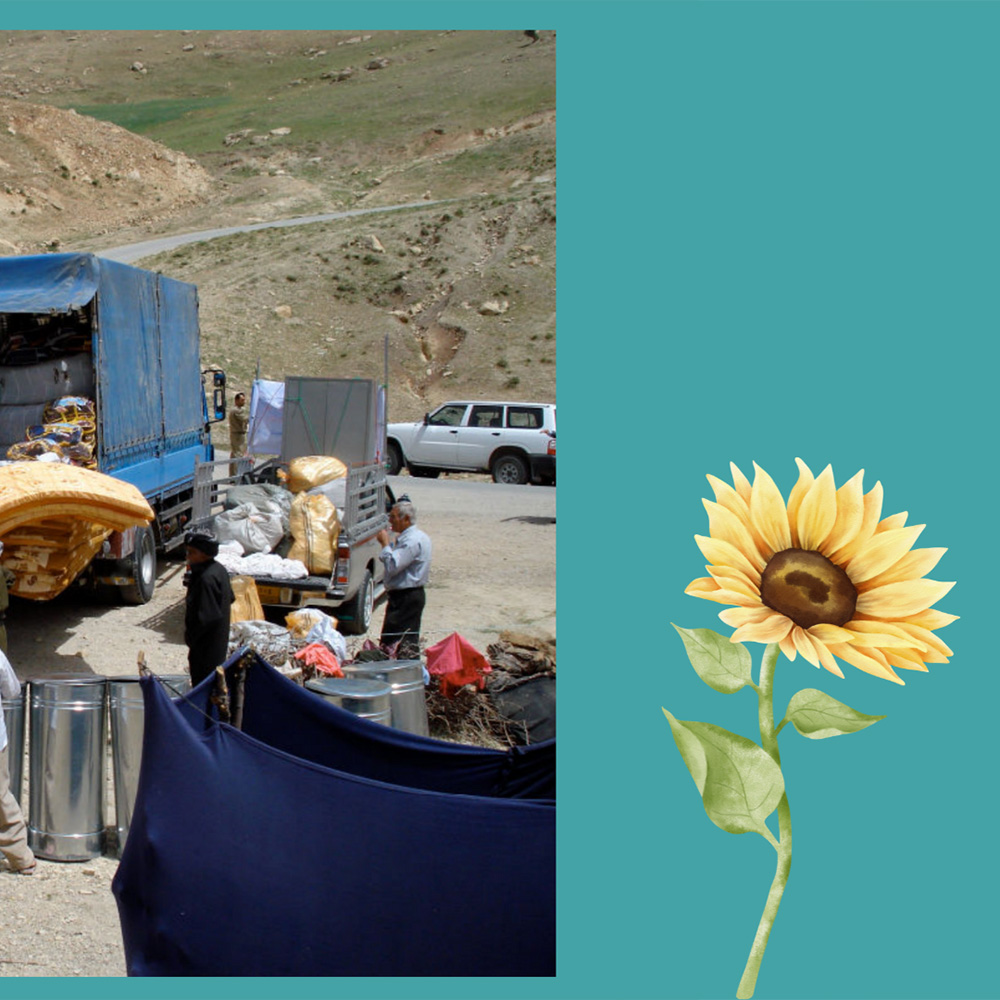

In 2008, HAUKARI, together with partners, provided emergency relief through two programmes:
KHANZAD and the KHF (Kurdistan Health Foundation) supported Arab families who had fled the civil war in central and southern Iraq and were living in makeshift shelters on the outskirts of Sulaimania.
In addition, HAUKARI e.V., together with KHANZAD and KHF, organised support for Kurdish refugees who had to leave their villages due to air strikes by the Turkish army in the Qandil Mountains.
2009
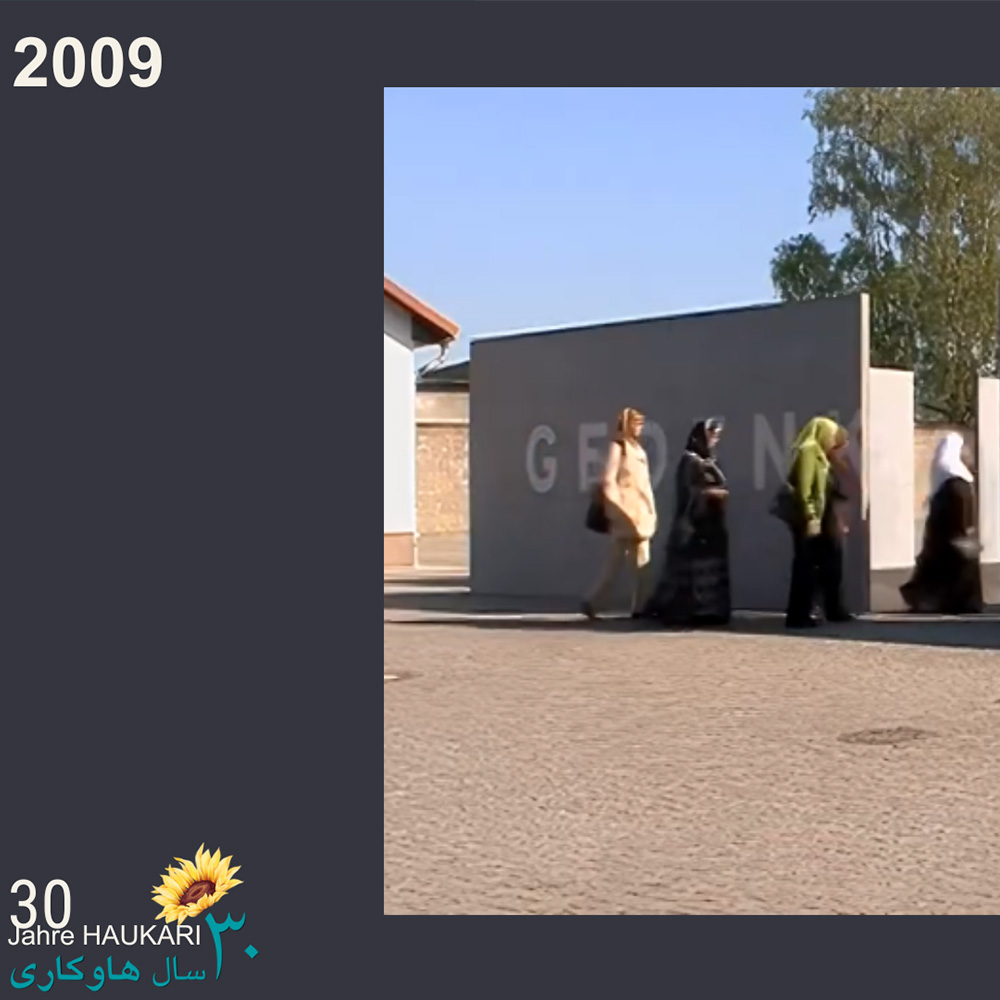
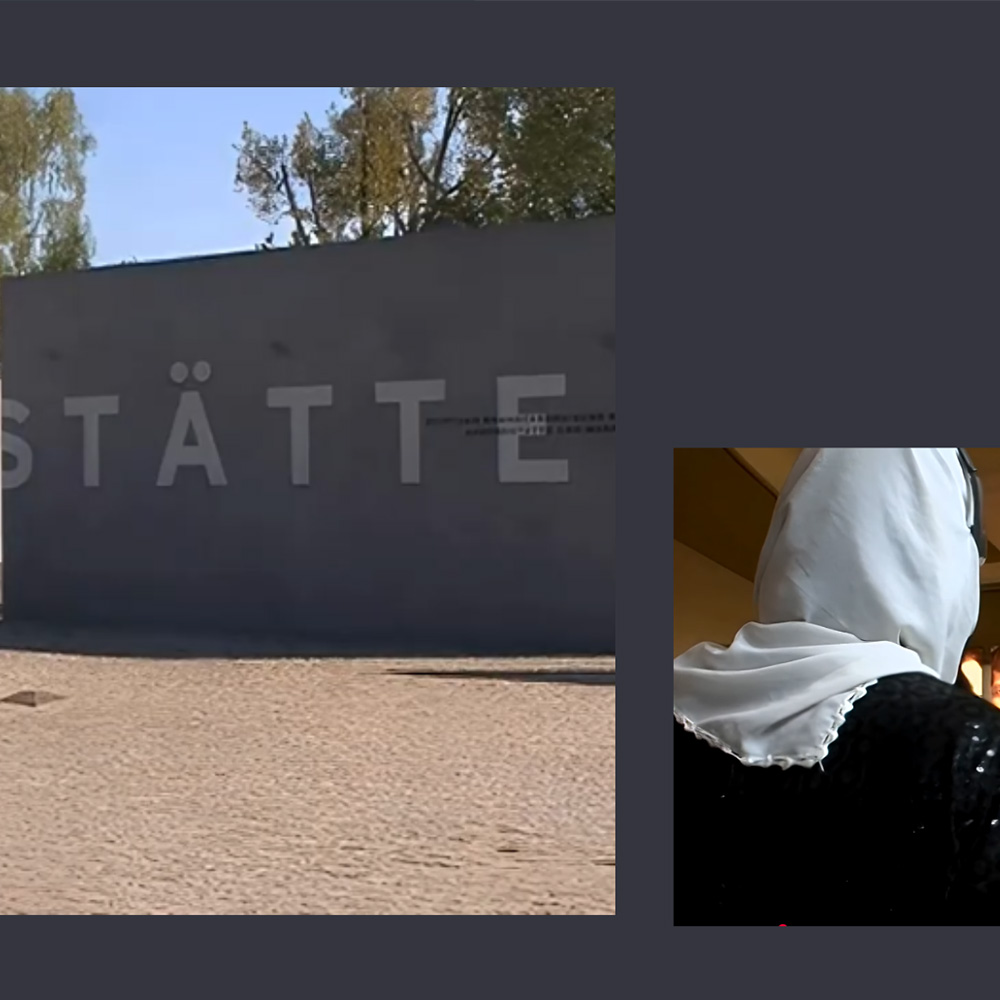
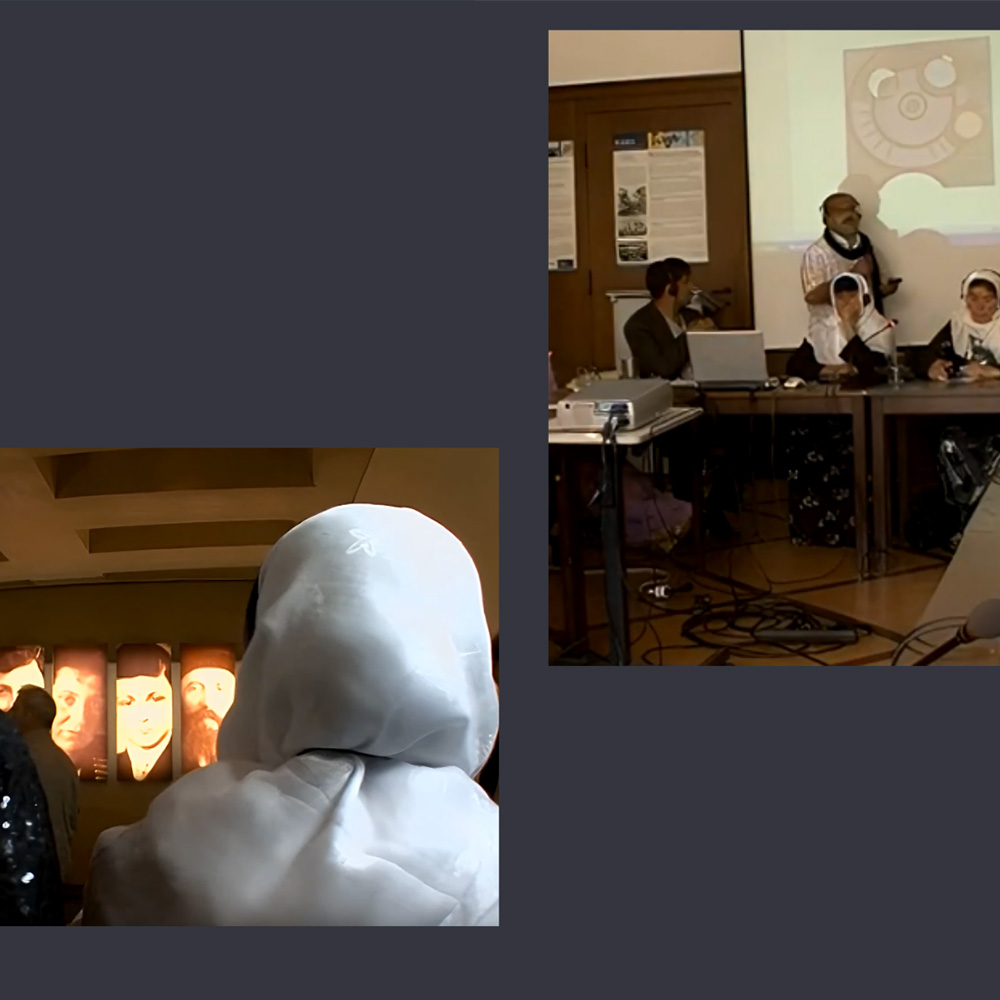
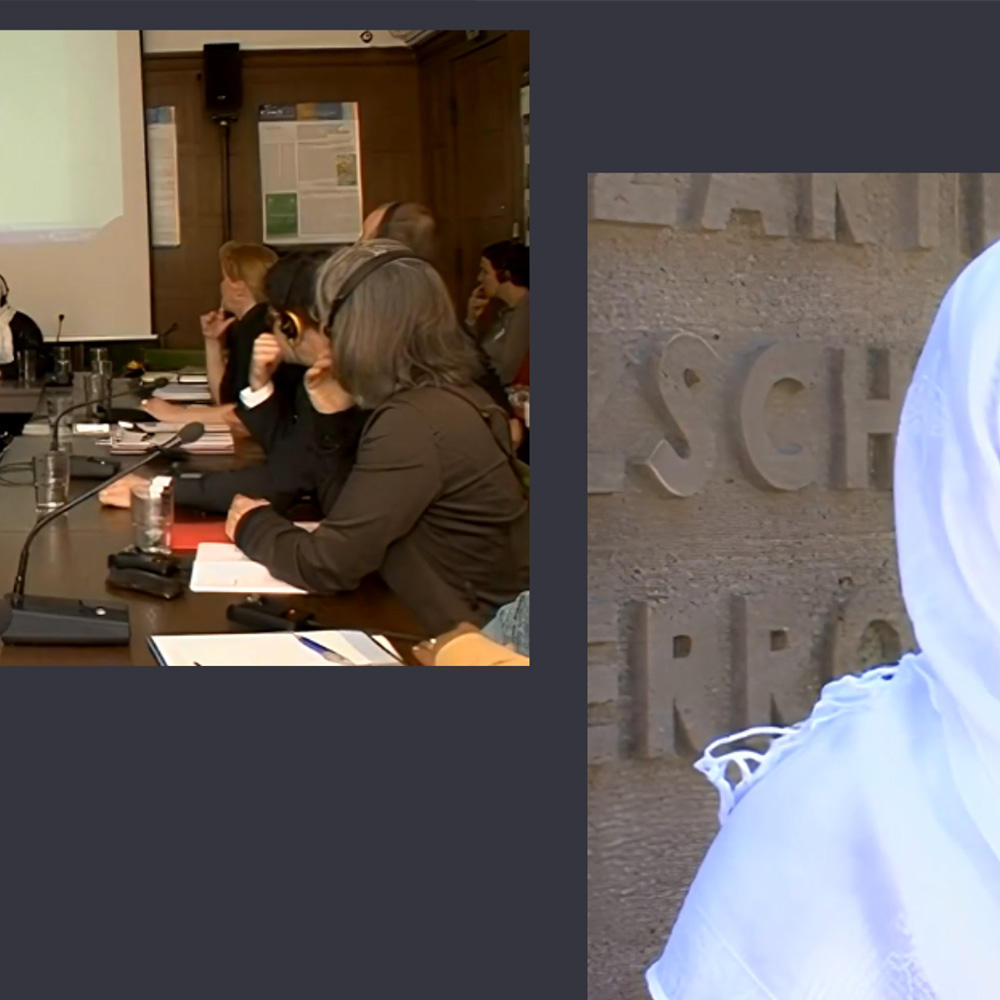
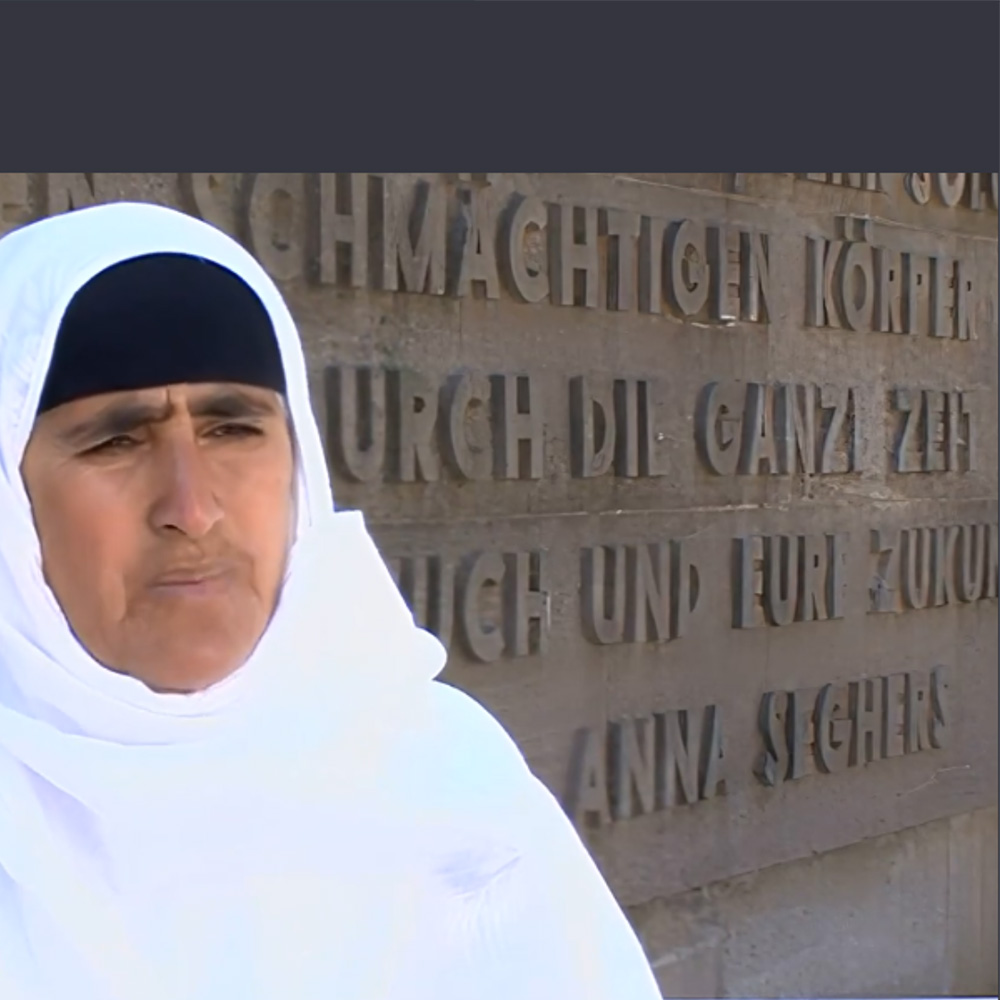
In April 2009, a delegation of women Anfal survivors visited Germany at the invitation of HAUKARI e.V. The purpose of the trip was to discuss the various forms of remembrance of the victims of the Nazis in Germany with the women.
The programme included a visit to the Holocaust Memorial in Berlin, the participation of the Kurdish delegation in the commemoration of the Day of Liberation at the former Ravensbrück concentration camp, a meeting with the initiative “Zossen zeigt Gesicht” including visits to various places of remembrance, a workshop at the Centre for Modern Oriental Studies (ZMO) with representatives of local remembrance projects and memorial sites, a visit to the exhibition at the House of the Wannsee Conference in Potsdam, a visit to the Sachsenhausen Memorial and Museum, a meeting with the Foundation “Remembrance, Responsibility and Future”, a visit to the memorial at the former forced labour camp Schillstraße in Braunschweig with the remembrance project “Open Archives”, and a visit to the memorial “Cemetery for Female Forced Labourers” in Braunschweig.
During this delegation trip, the idea of creating a self-managed memorial and place of remembrance in Rizgari, Kurdistan-Iraq emerged, initiated by the Anfal women themselves.
You can find a short film about the trip here.
2010
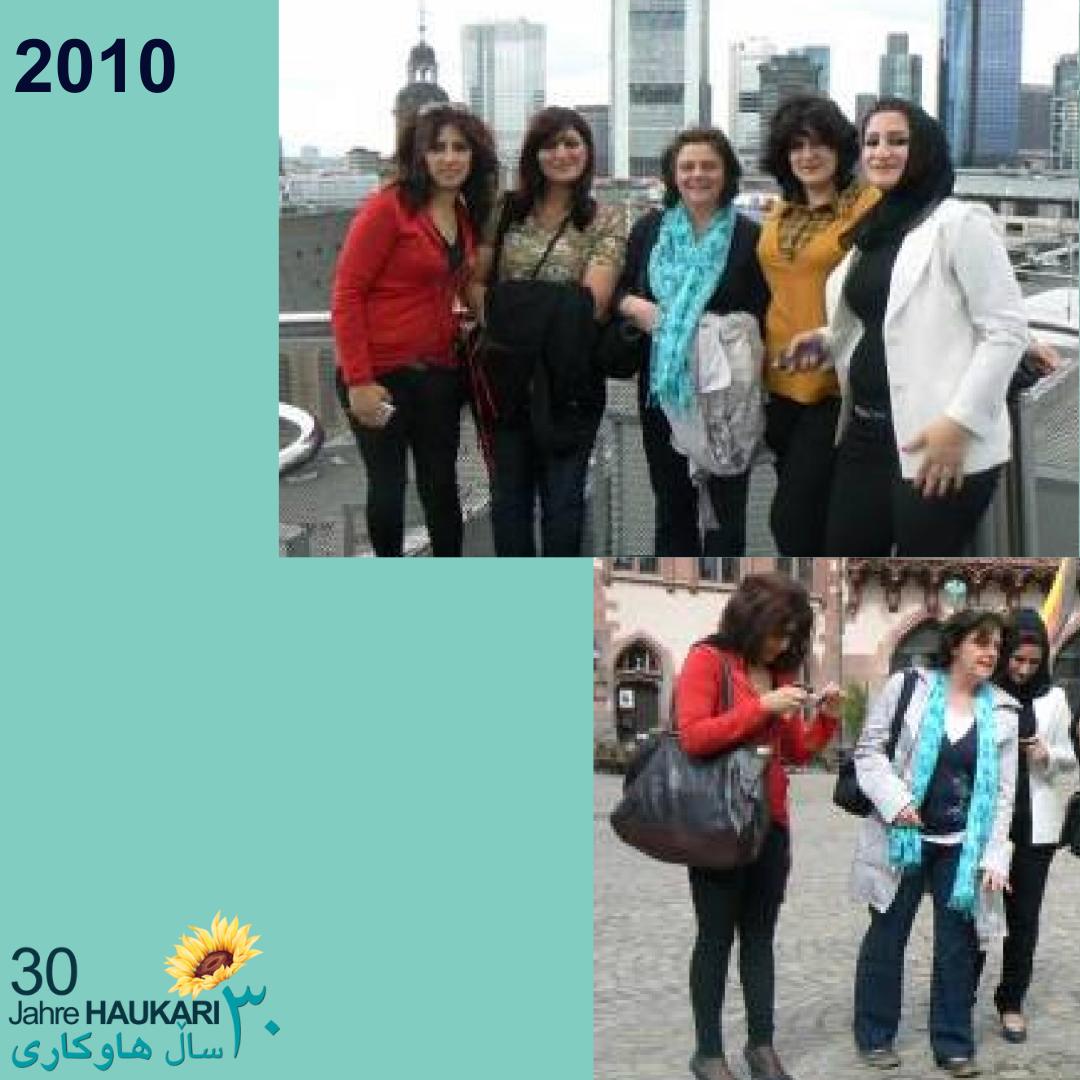
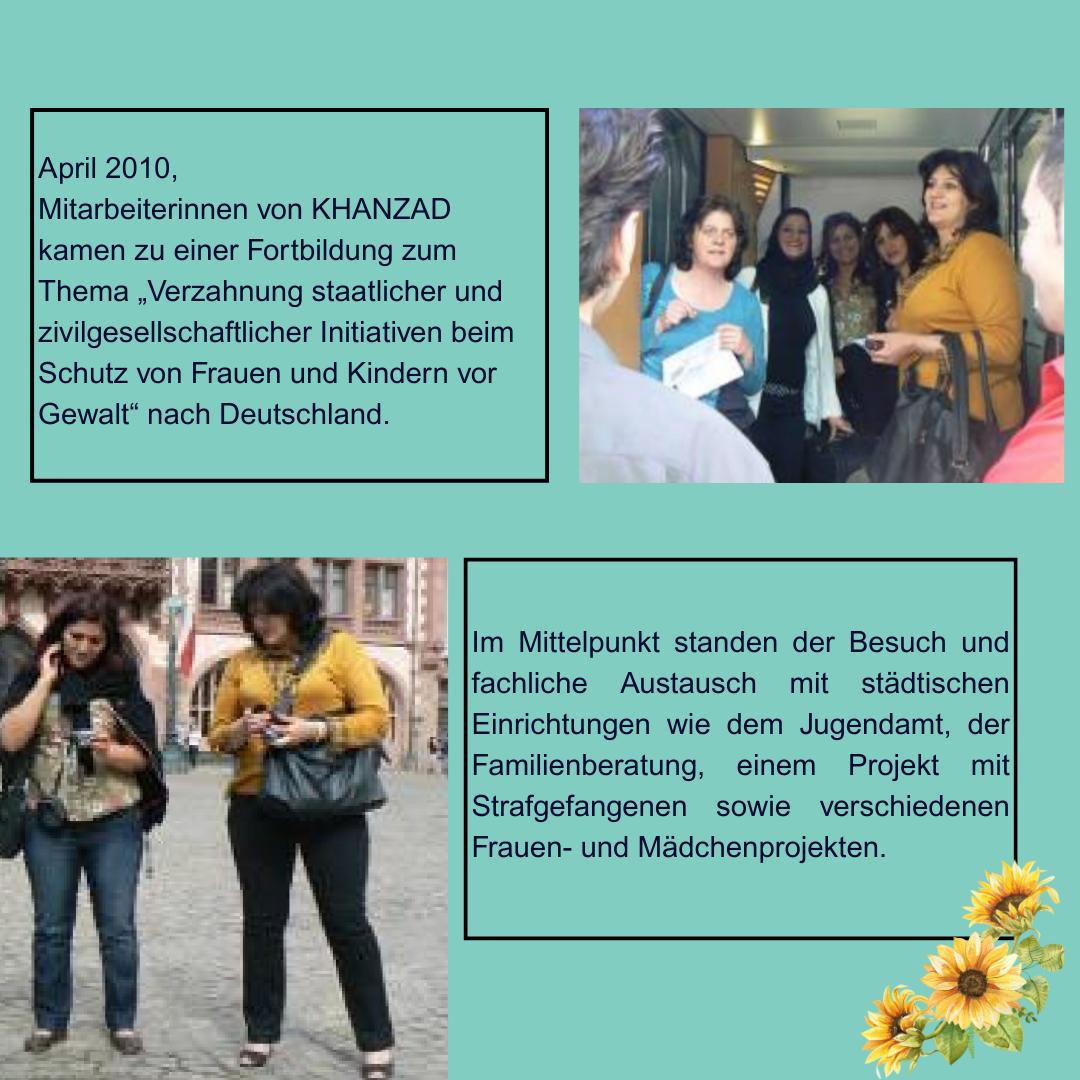
A special moment of the year- April 2010:
KHANZAD employees came to Germany for a knowledge exchange on the topic of “Interlinking state and civil society initiatives to protect women and children from violence.”
The focus was on visiting and exchanging expertise with municipal institutions such as the Youth Welfare Office, family counseling, a project with prisoners, and various women’s and girls’ projects.
Since the beginning, KHANZAD vehemently continued its work to protect women and young people. In 2010 KHANZAD’s key projects were mobile counseling for women threatened by violence and honor killings, support for women in pre-trial detention and prisons, as well as young people in juvenile detention centres and prisons in Sulaimania.
2011
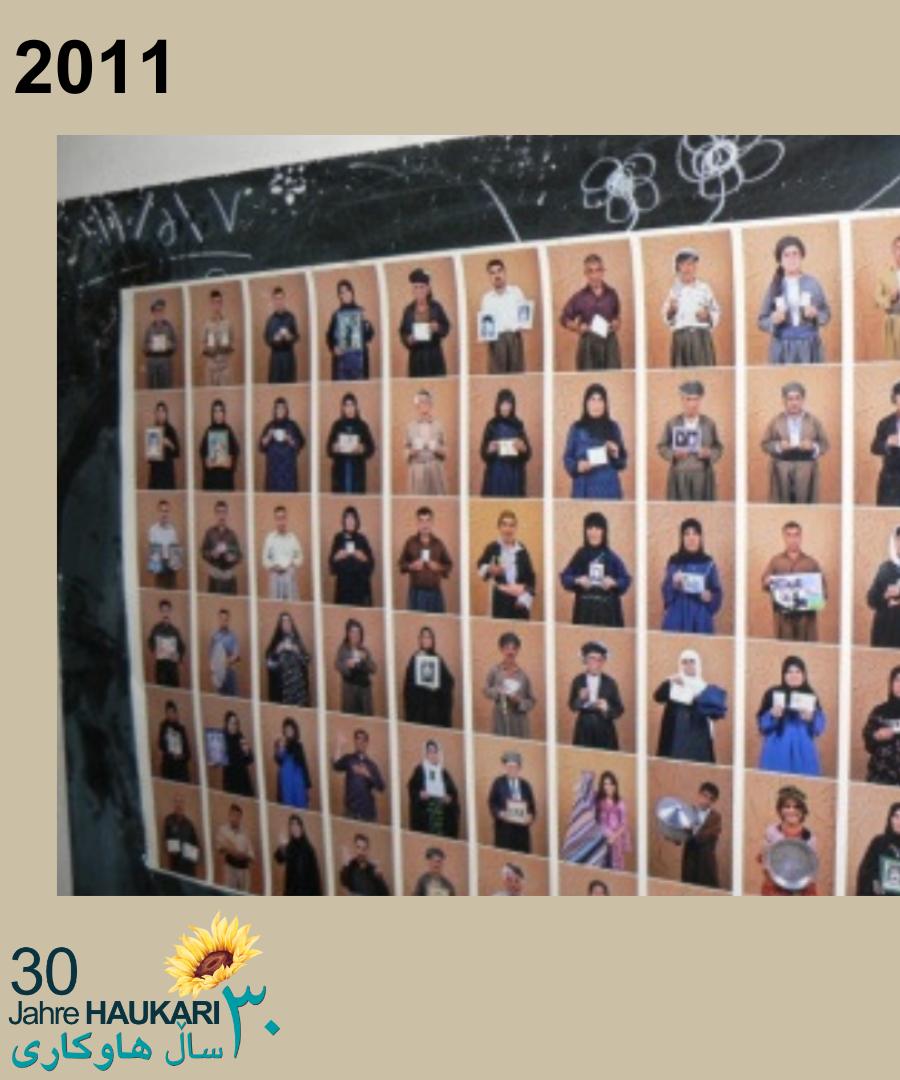
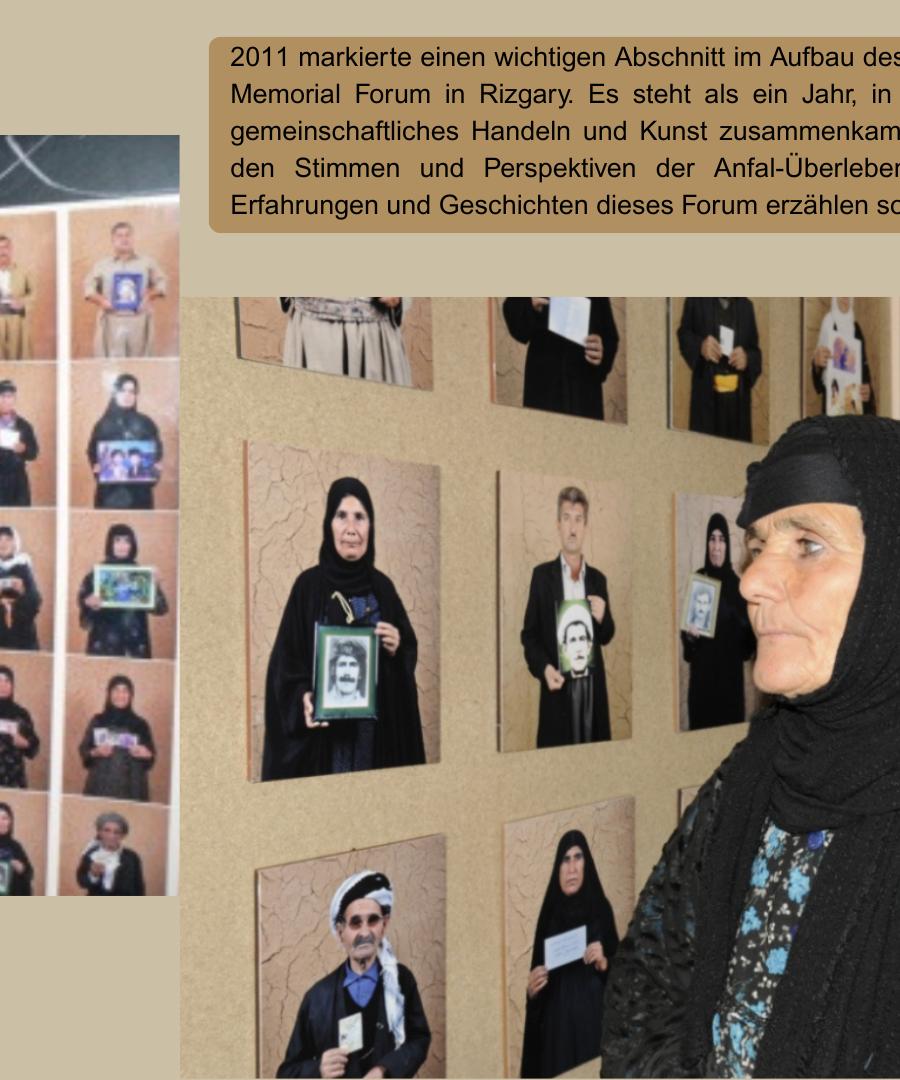
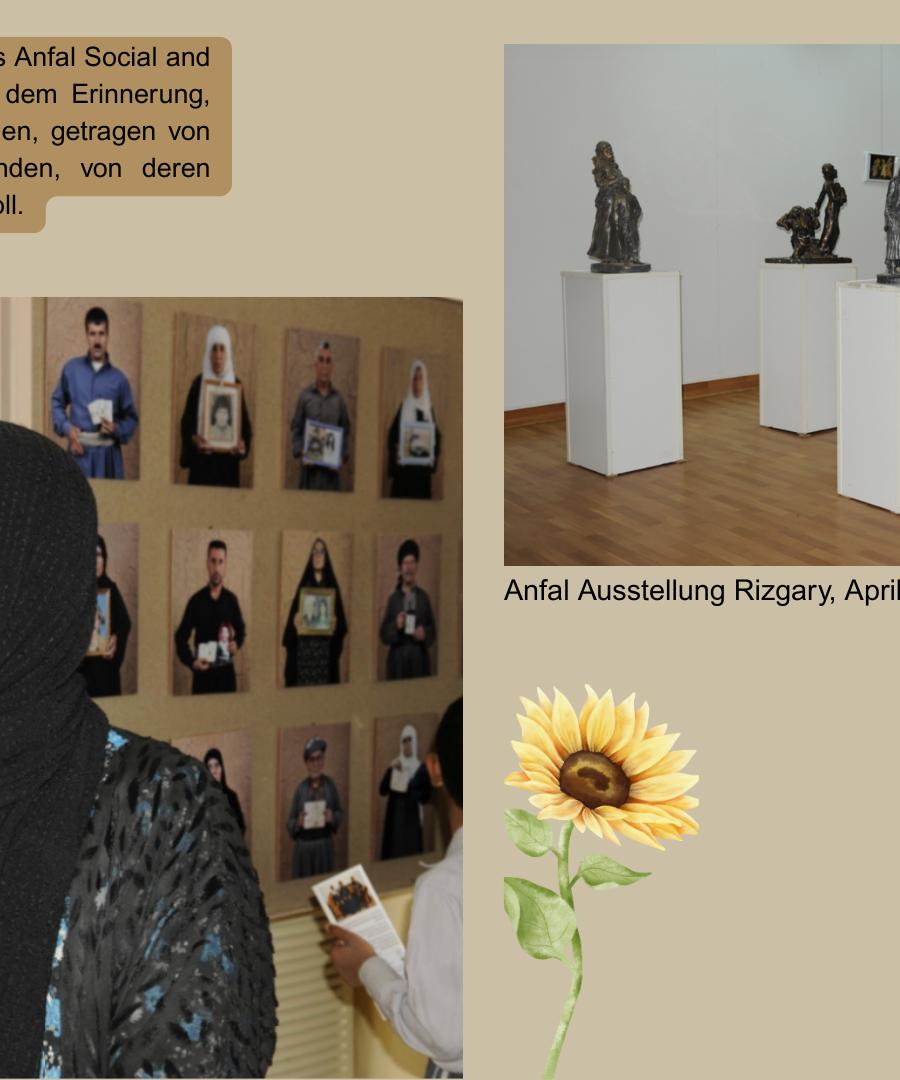


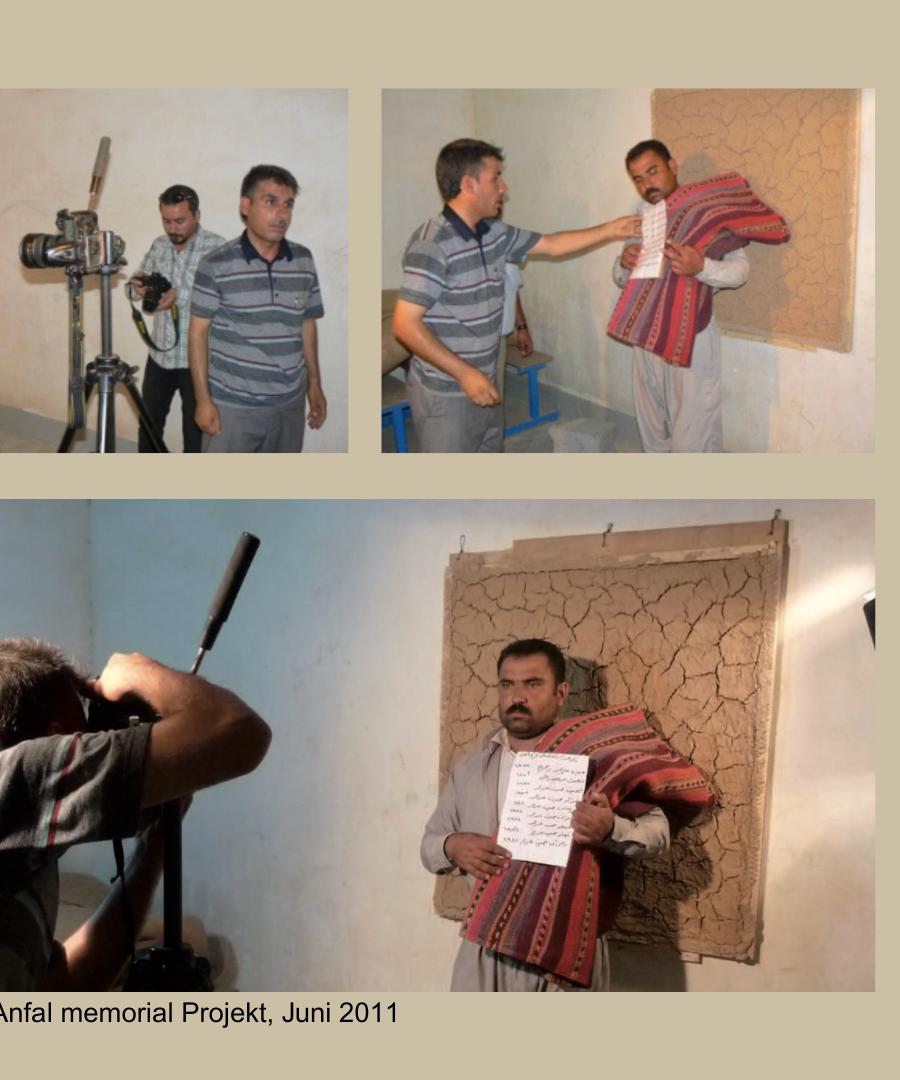
2011 marked an important stage in the development of the Anfal Social and Memorial Forum in Rizgary. While political changes once again delayed the official start of construction of the memorial, the energy and determination of the Anfal survivors continued to grow. The Anfal survivors shaped this process with impressive clarity, creativity, and perseverance.
This year, intensive discussion spaces were created between Anfal women survivors and Kurdish artists, in which ideas for a figurative memorial were developed. The memorial was to make their specific experiences visible and honor their strength. From numerous models submitted, five designs were selected for further development. For many of those involved, this joint artistic process was an important step toward a self-determined culture of remembrance.
The work on the growing photo documentation also created new spaces for coming together. The appointments, initially in Rizgary and later in surrounding towns and villages, became places of remembrance, exchange, and mutual support. The resulting contributions are to play a central role in the future exhibition at the Remembrance Forum.
Public presentations of the project work and exchanges with government representatives and German remembrance initiatives made the concerns of the Anfal women more visible and strengthened their position in social dialogue.
2011 thus stands as a year in which memory, collective action, and art came together, carried by the voices and perspectives of those whose experience and stories this forum is intended to tell.
2012
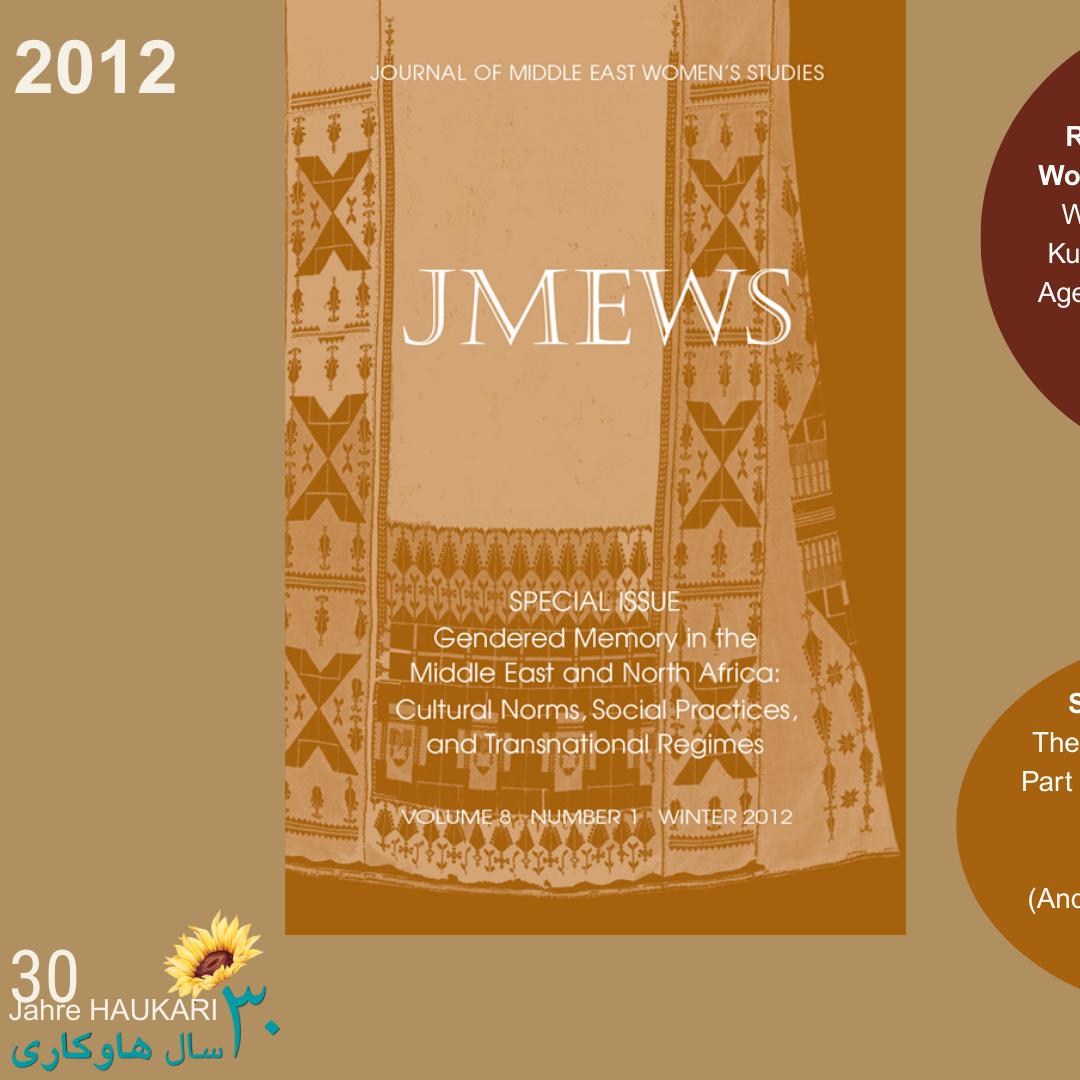
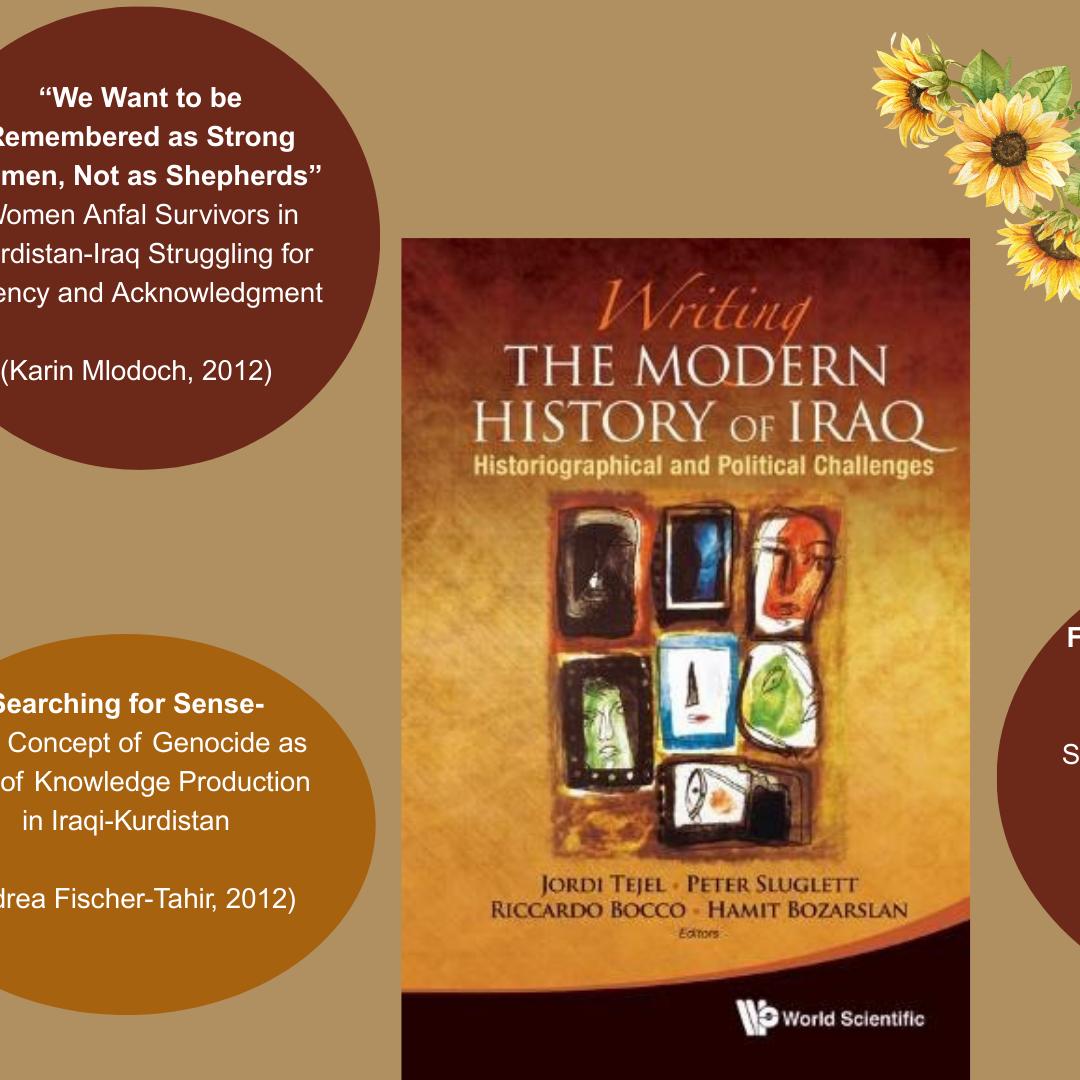
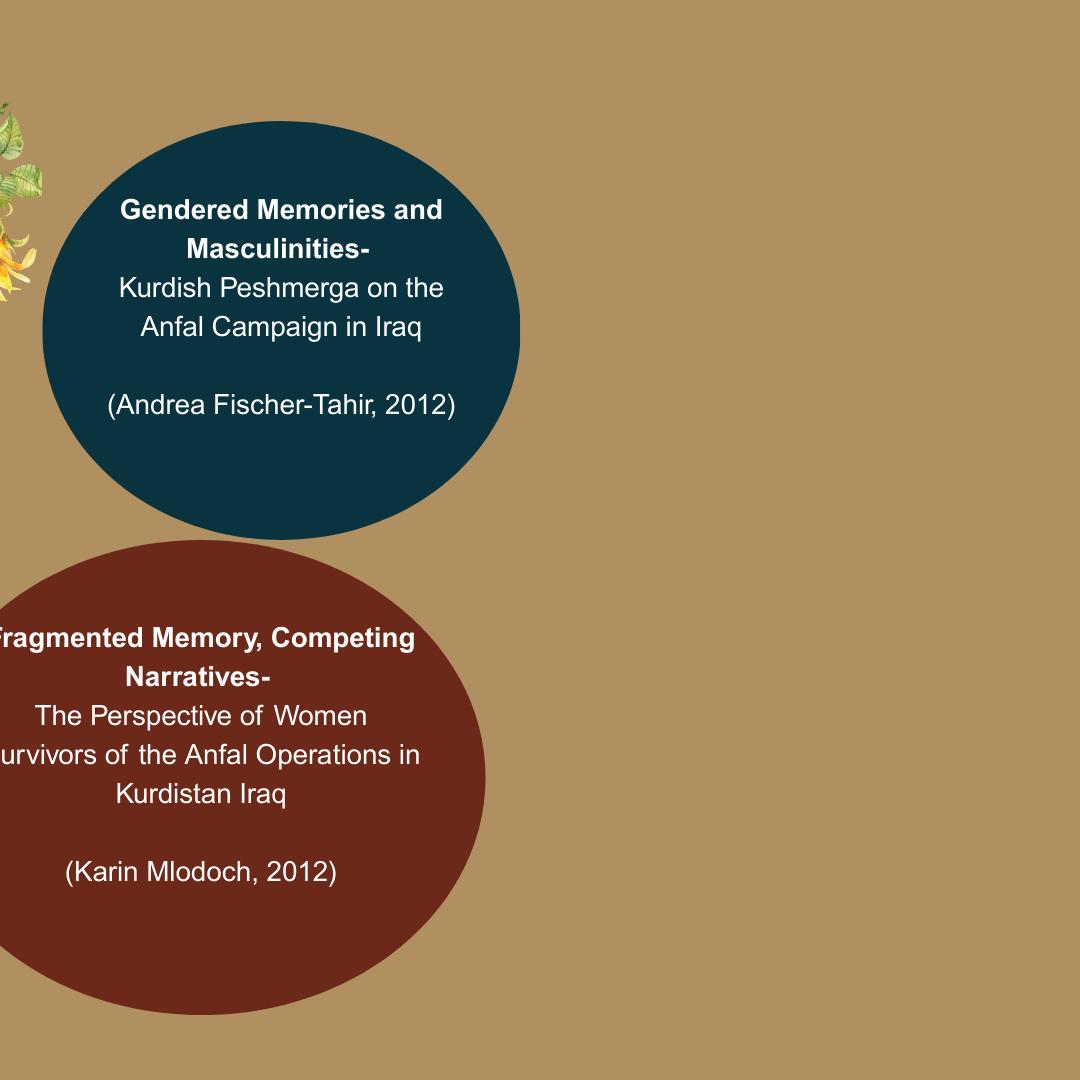
Haukari e.V. contributes to critical public and academic debate on Kurdistan-Iraq by disseminating knowledge on political, social, and human rights issues through publications, lectures, and events in Germany and across Europe. Our 2012 publications highlight questions of violence, memory, and gendered experiences of the Anfal operations, foregrounding the perspectives of women survivors and Kurdish Peshmerga. Featuring works by Karin Mlodoch and Andrea Fischer-Tahir, these studies examine agency, competing narratives of remembrance and the concept of genocide in the context of the Anfal operations, thereby fostering transnational dialogue and recognition of survivors’ experiences.
Curious to read? You can find the publications on our website:
- “We Want to be Remembered as Strong Women, Not as Shepherds”: Women Anfal Survivors in Kurdistan-Iraq Struggling for Agency and Acknowledgment (Karin Mlodoch, 2012)
- Fragmented Memory, Competing Narratives- The Perspective of Women Survivors of the Anfal Operations in Kurdistan Iraq (Karin Mlodoch, 2012)
- Searching for Sense_ The Concept of Genocide as Part of Knowledge Production in Iraqi-Kurdistan (Andrea Fischer-Tahir, 2012)
- Gendered Memories and Masculinities- Kurdish Peshmerga on the Anfal Campaign in Iraq (Andrea Fischer-Tahir, 2012)
2013
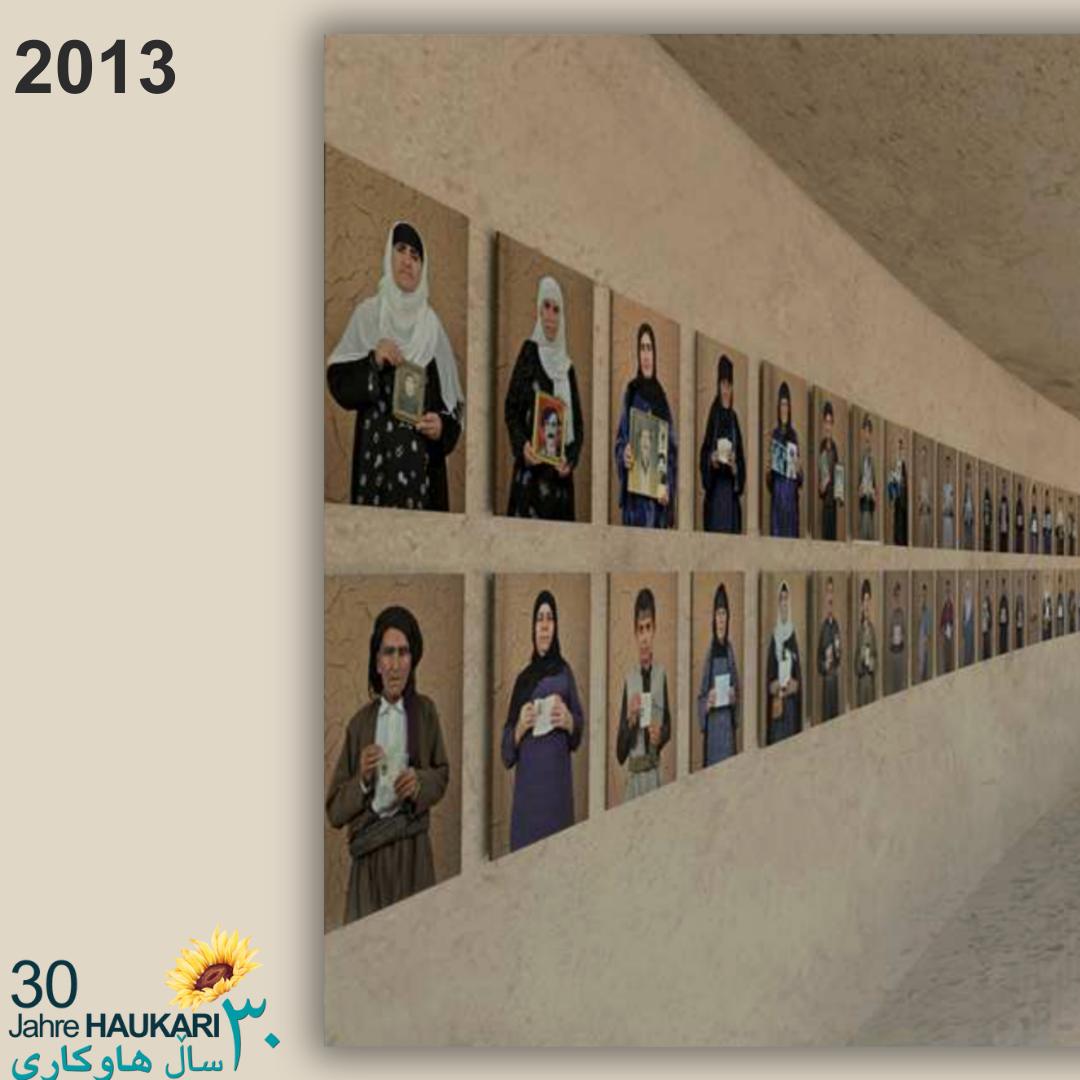
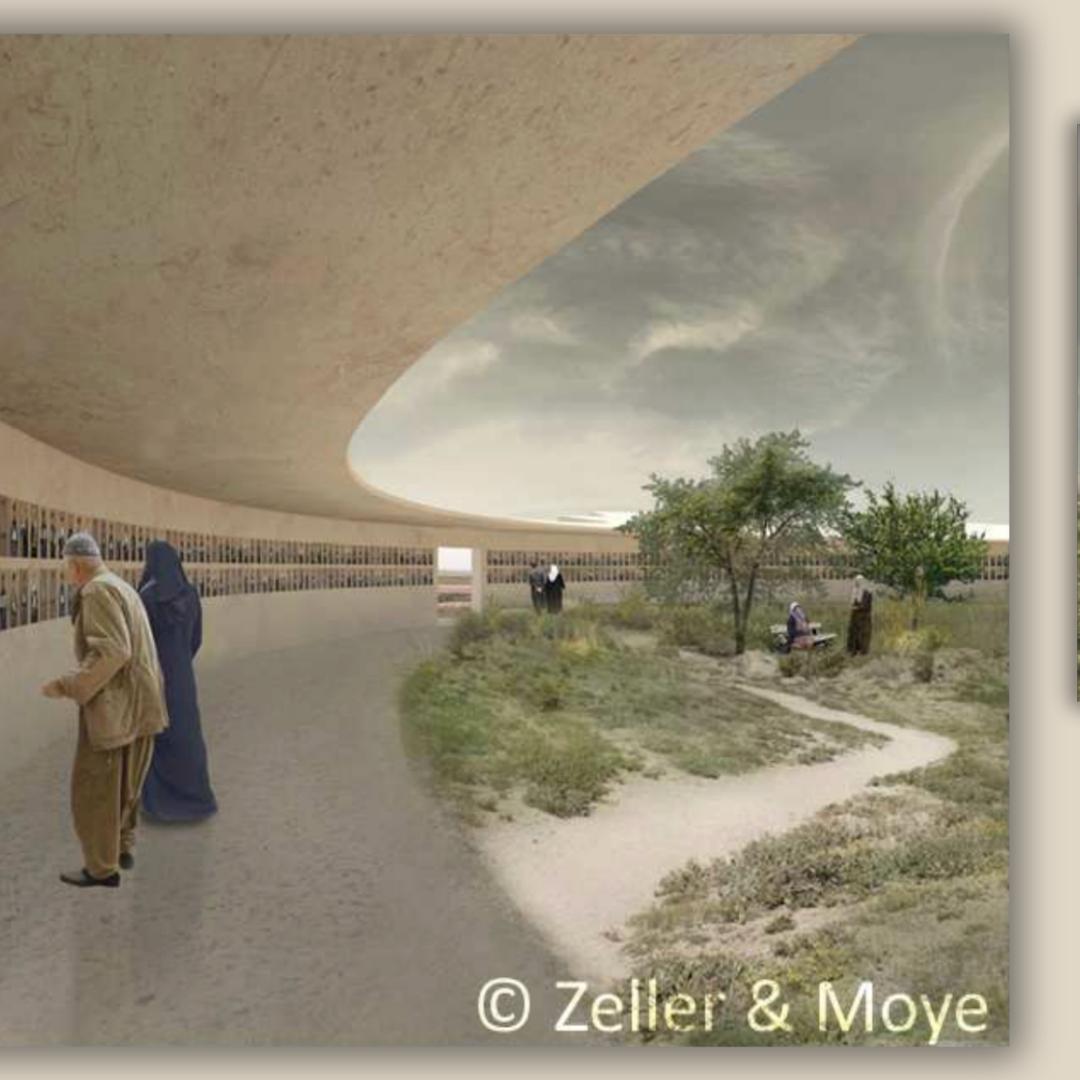
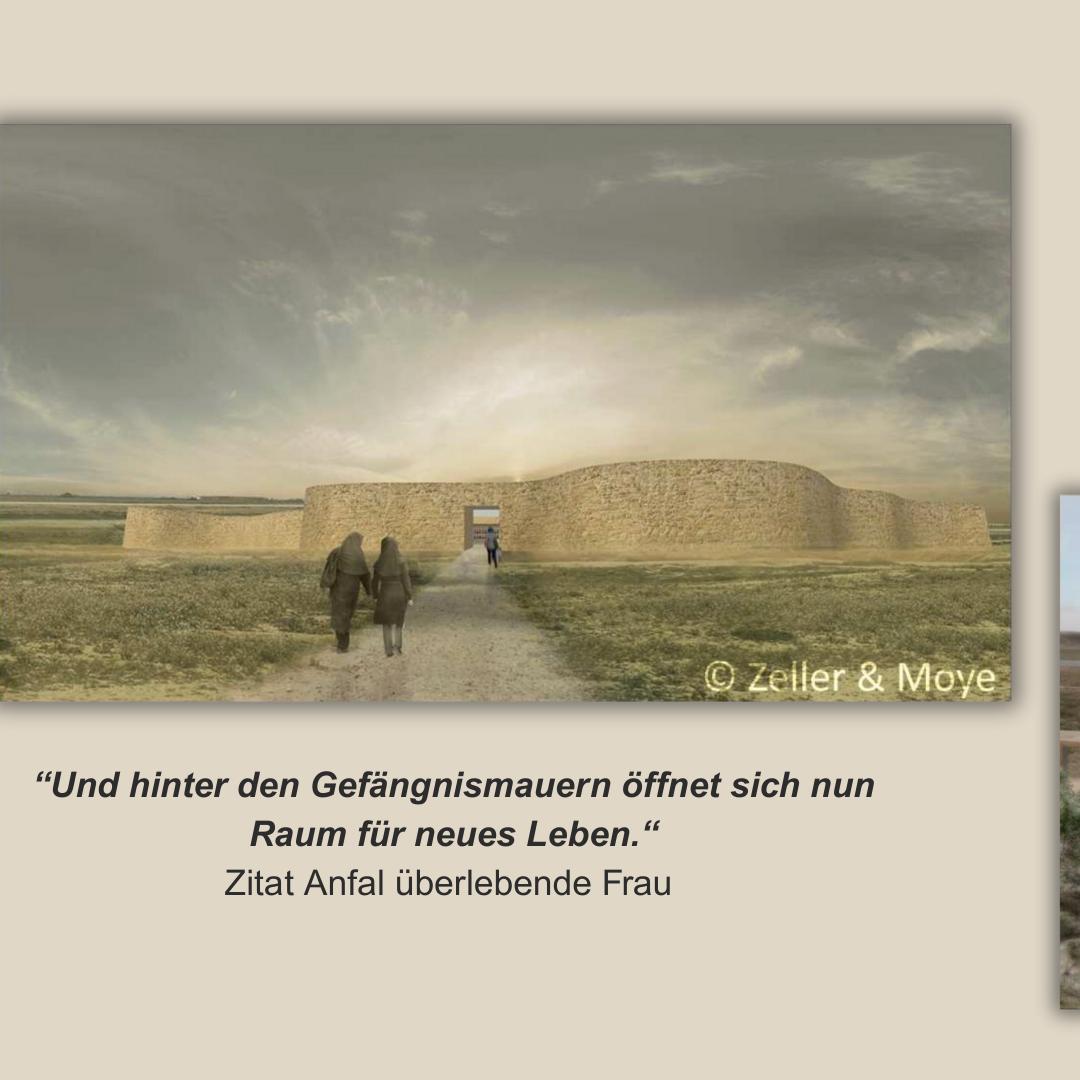
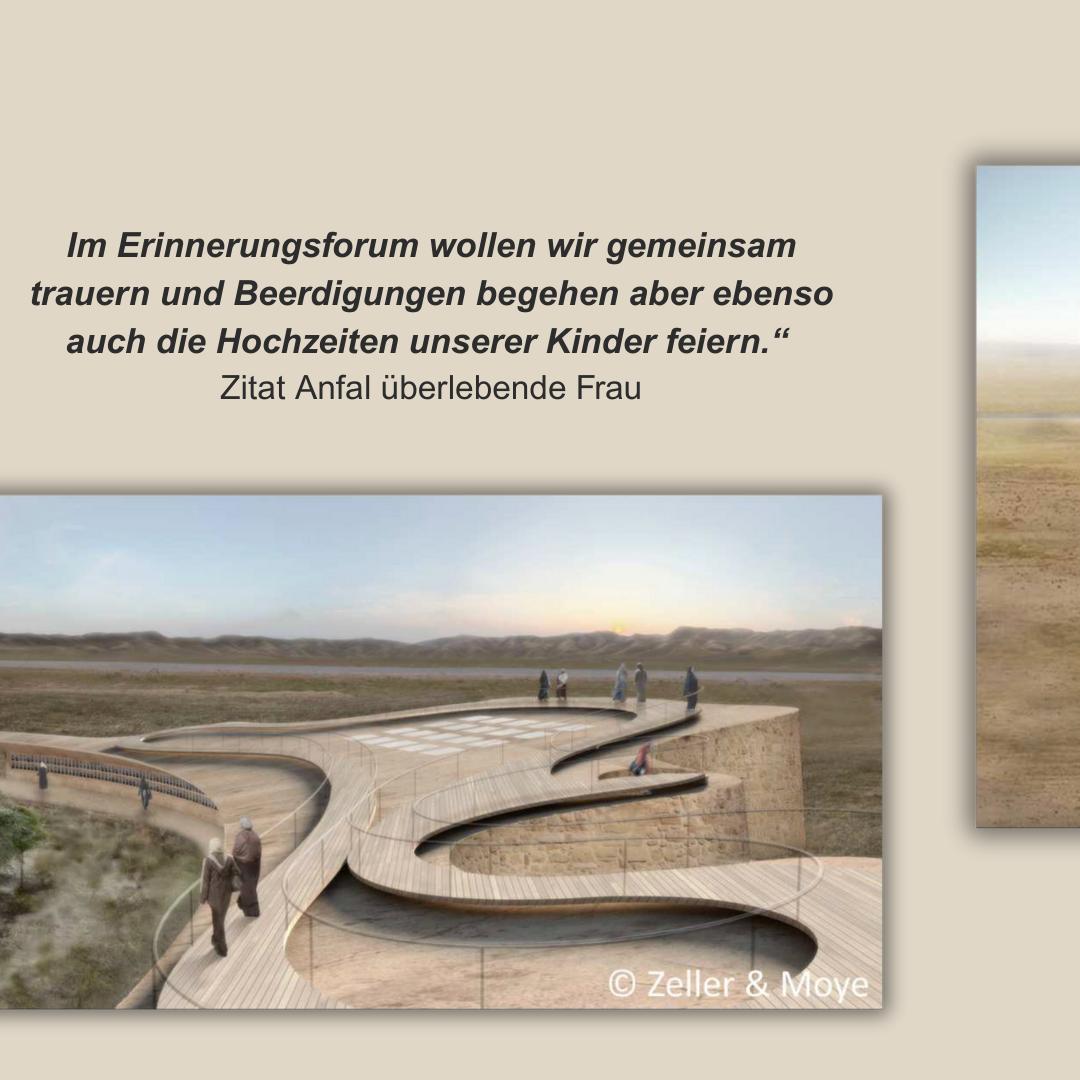
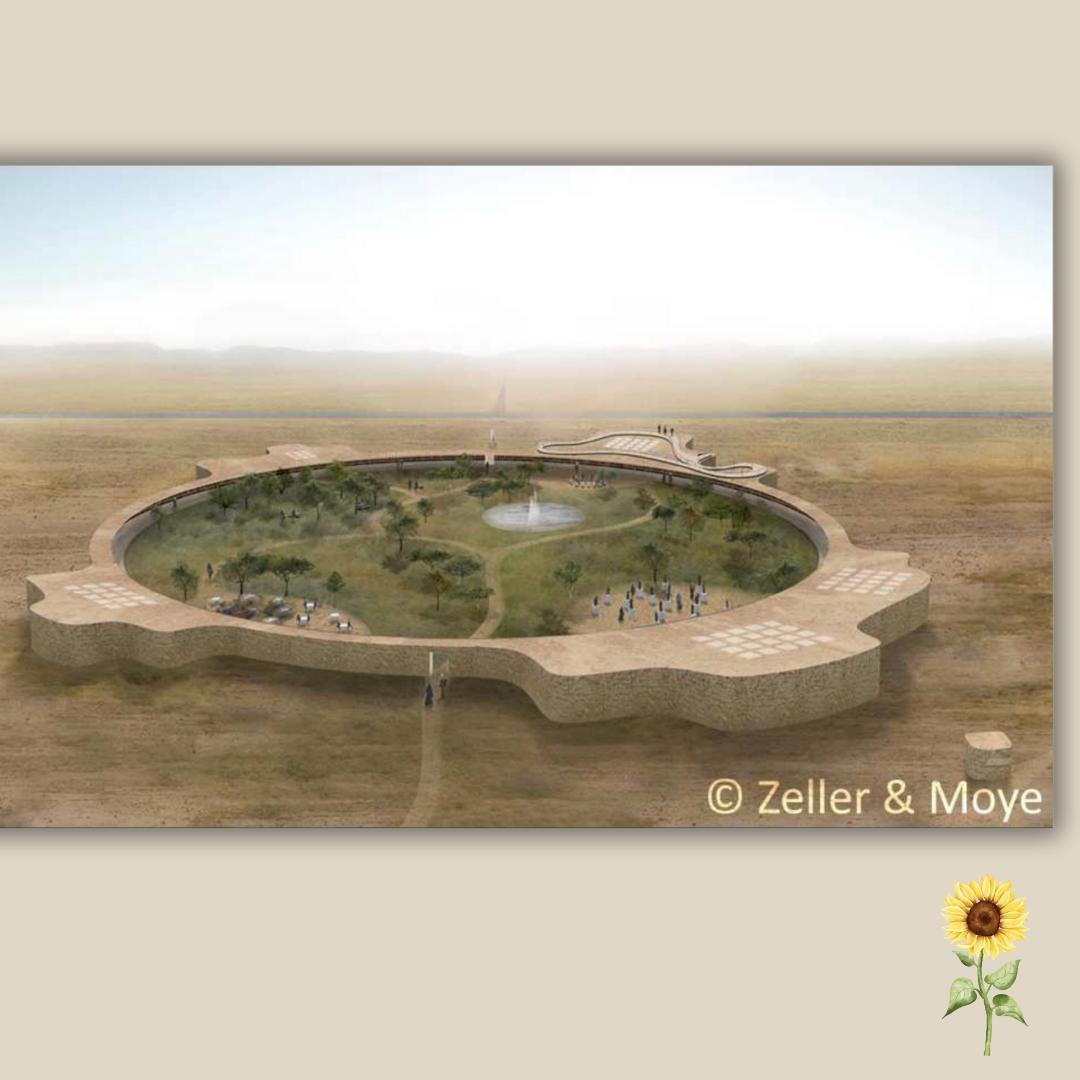
2013 marked the 25th anniversary of Anfal.
Together with Anfal women survivors, HAUKARI e.V. spent five years planning the memorial forum in Rizgary. This process was accompanied by visits from Anfal women survivors to Germany, discussions with artists and exchanges with survivors of other contexts of violence.
After intensive discussions, the design by the German architectural firm Zeller & Moye was accepted by all parties involved in 2013. The perspectives of the survivors, their memorabilia and their ideas shaped the building design and made a participatory ‘commemoration from below’ visible. The design takes into account the wishes of the Anfal women survivors, integrates meeting, exhibition and relaxation rooms into a protective outer wall, and combines traditional materials with modern design language. In this way, the building blends into the landscape of Germian while remaining visible.
The planned start of construction in 2014 could not take place due to renewed war and conflict situations in the region. To this day, Haukari e.V. is committed to the realisation of the construction project.
2014
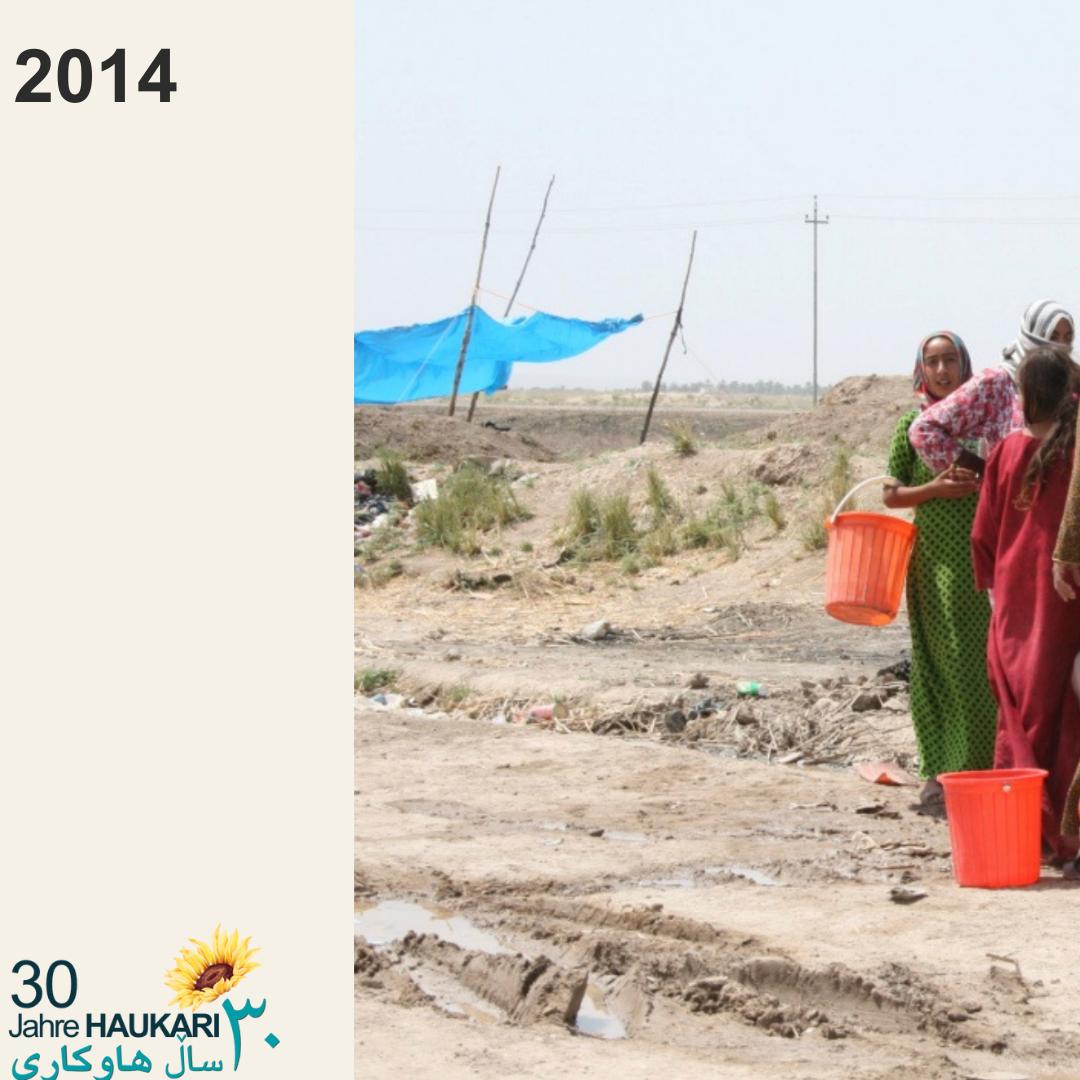
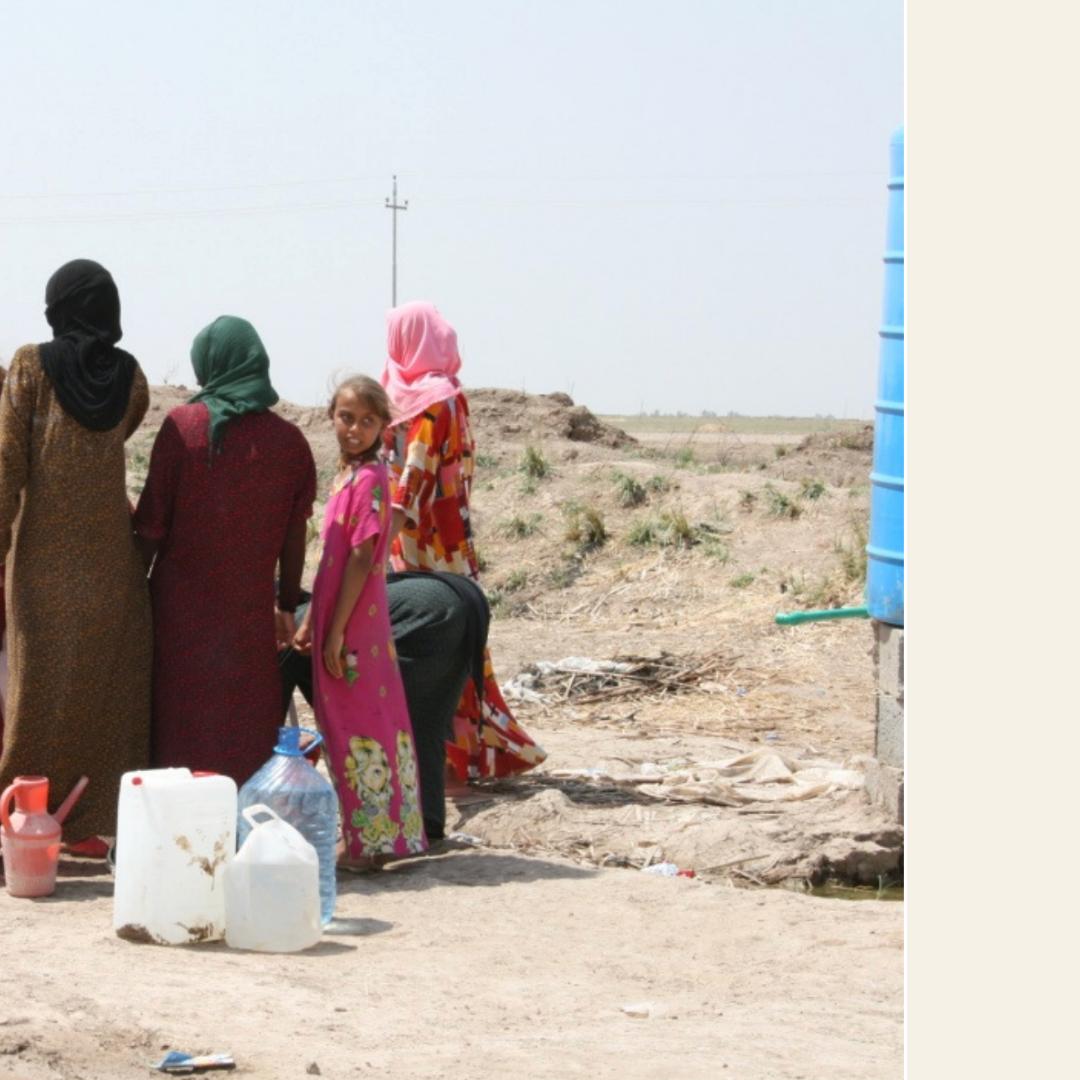
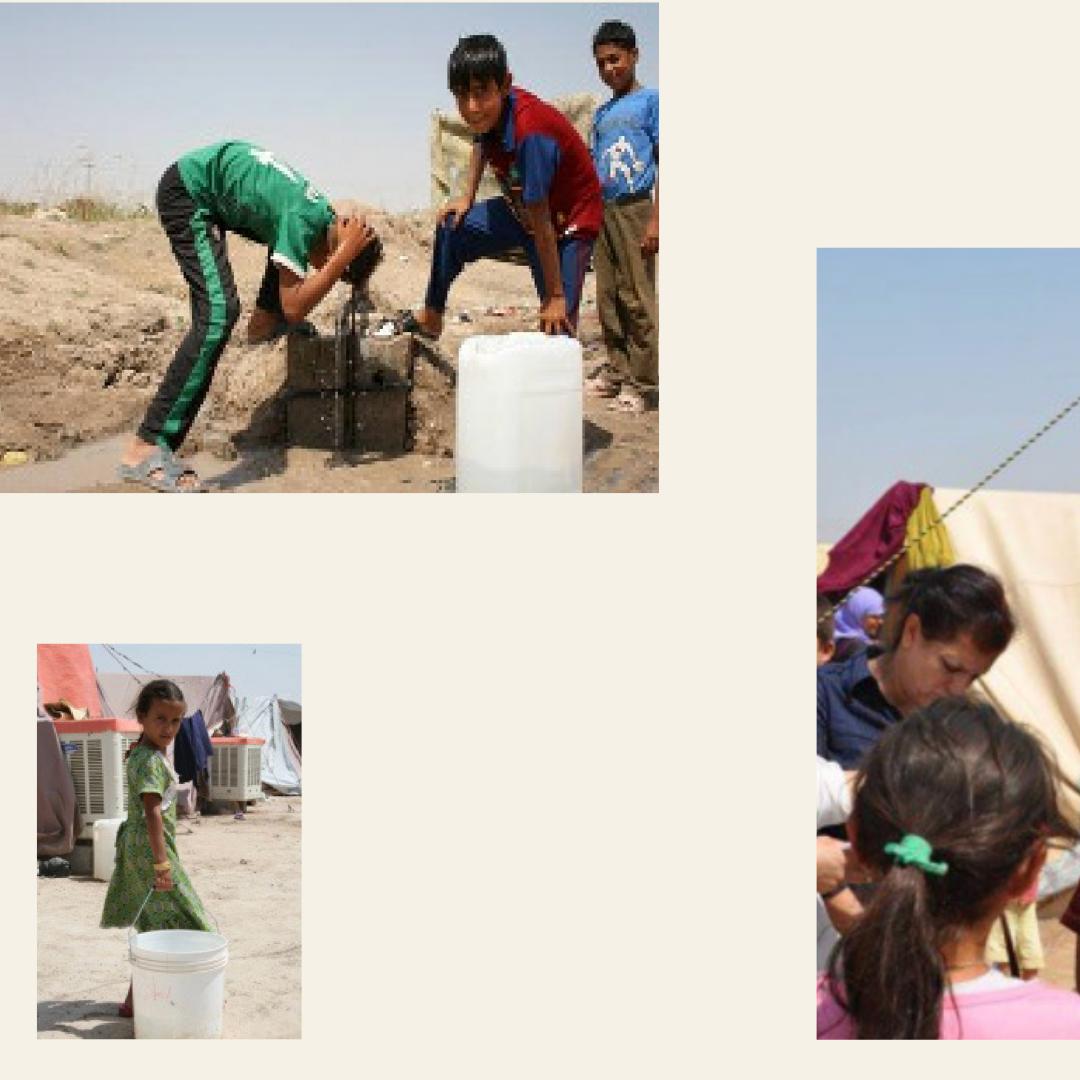
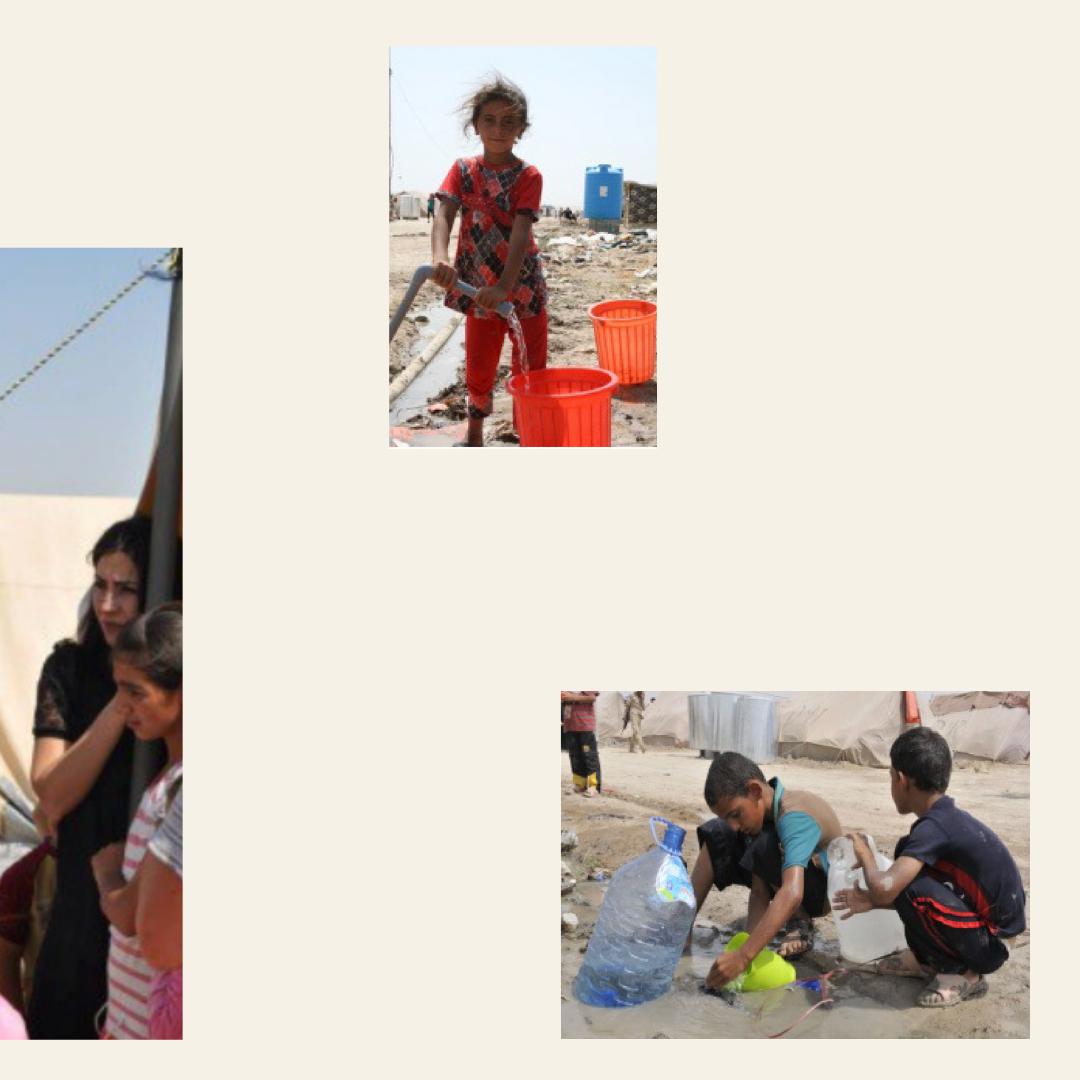
In June 2014, IS took control of Mosul and numerous other cities in the provinces of Nineveh, Salahaddin and Baquba/Dyala, proclaiming a caliphate there. People fleeing IS are seeking safety in the Kurdish provinces of Duhok and Erbil on the north-western border of Kurdistan. However, more refugees from the provinces of Salahaddin, Anbar and Baquba are also pouring into the Germian area in the south-east of the Kurdish region every day. The Kurdistan Health Foundation, KHANZAD and HAUKARI provided emergency humanitarian aid.
More impressions can be found here.
2015
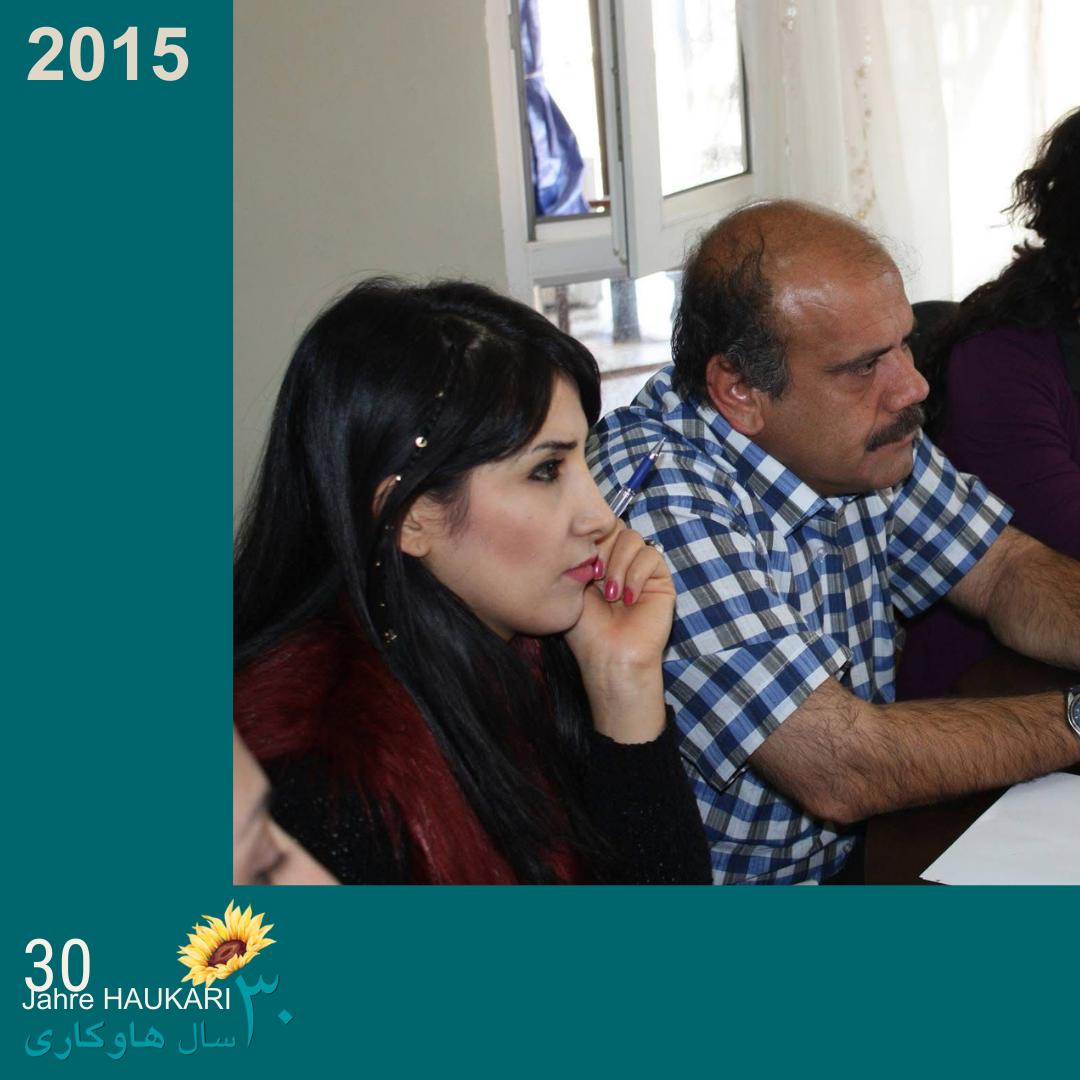
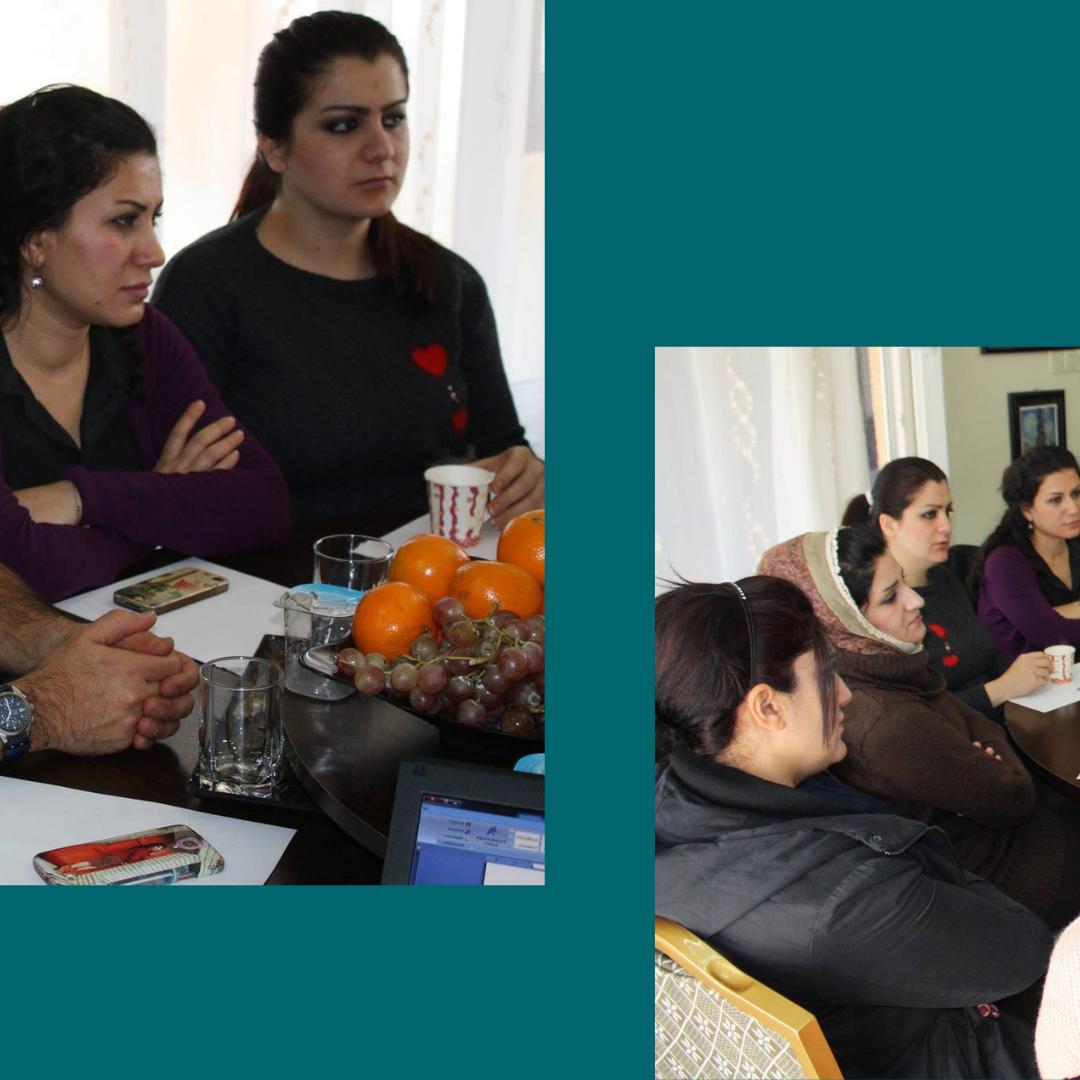
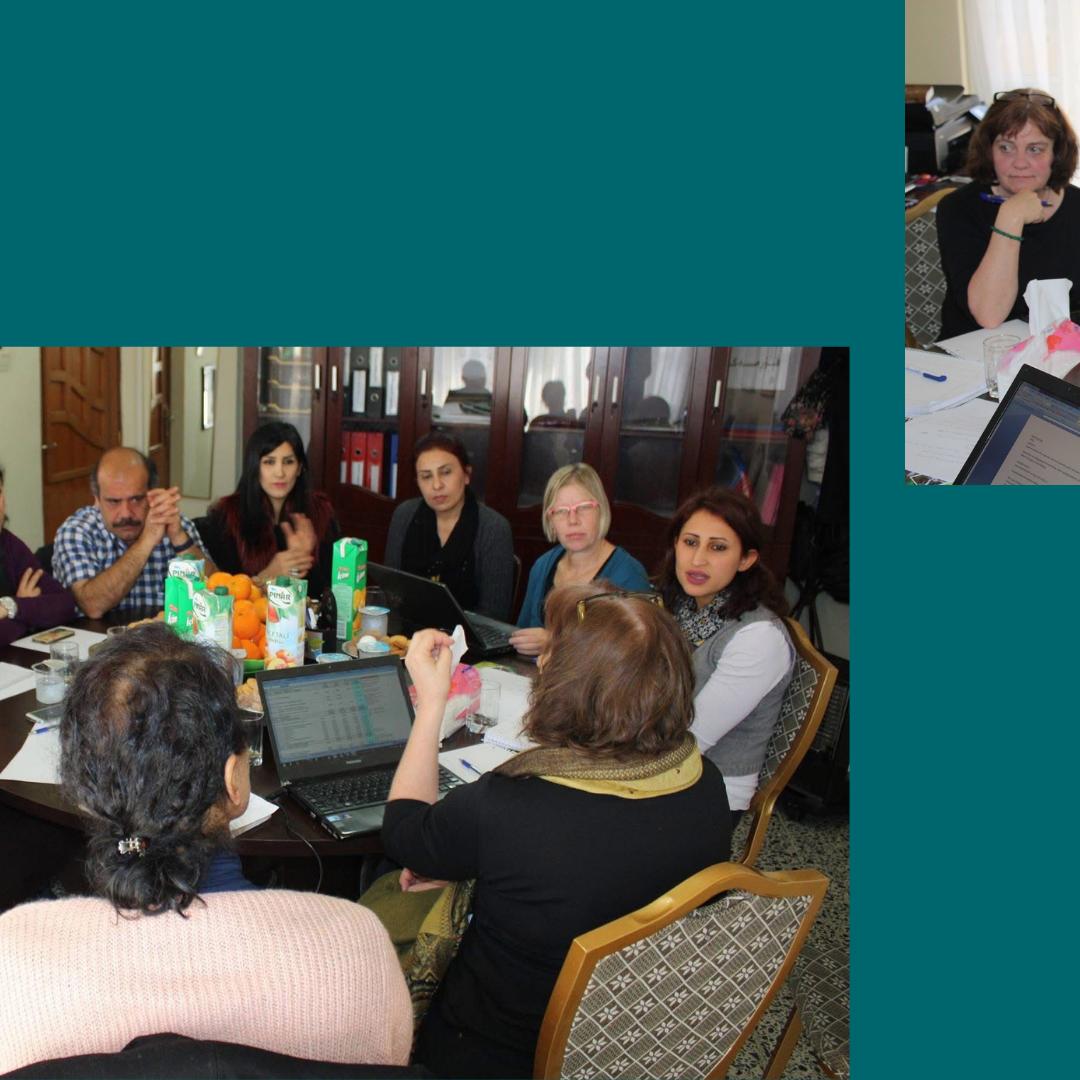
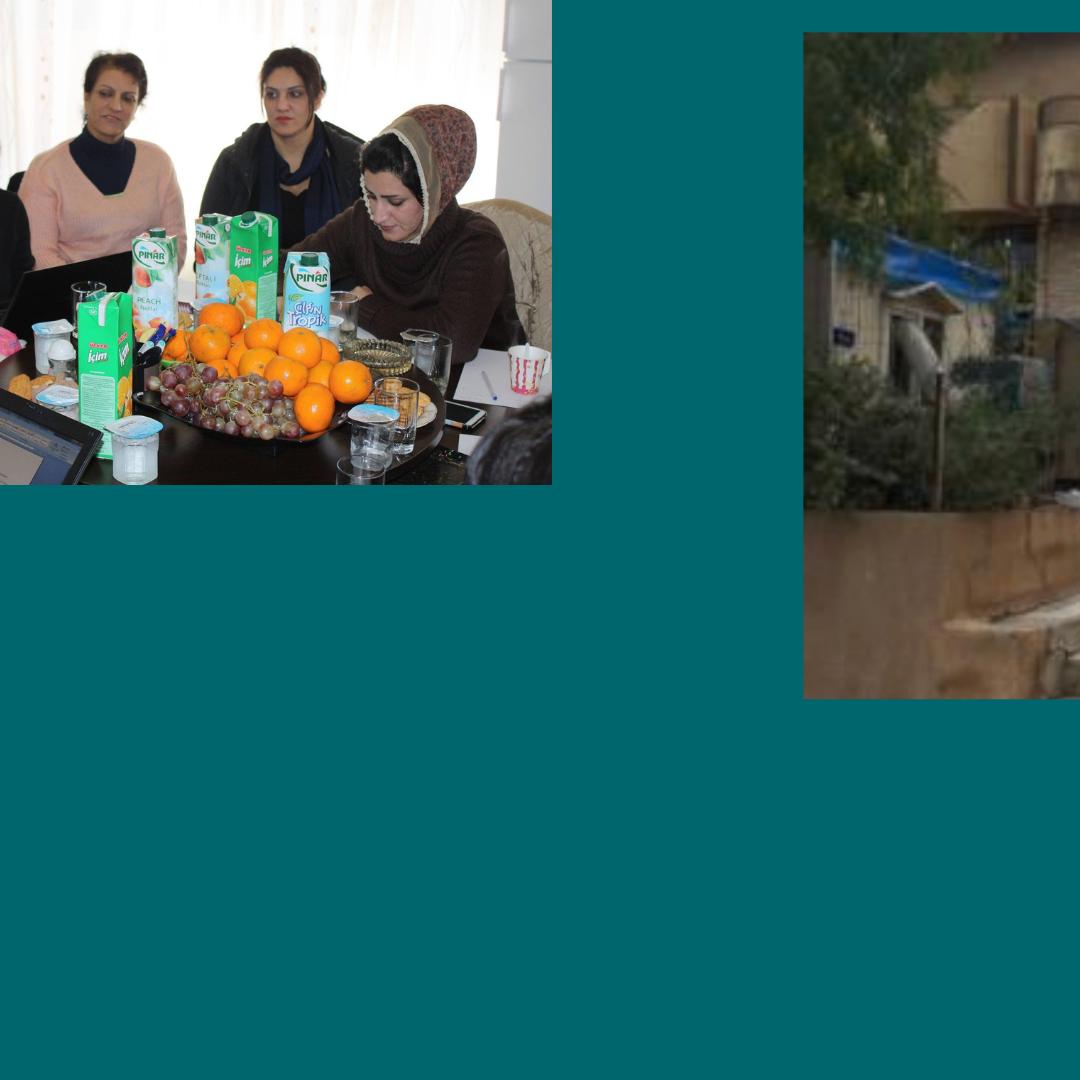
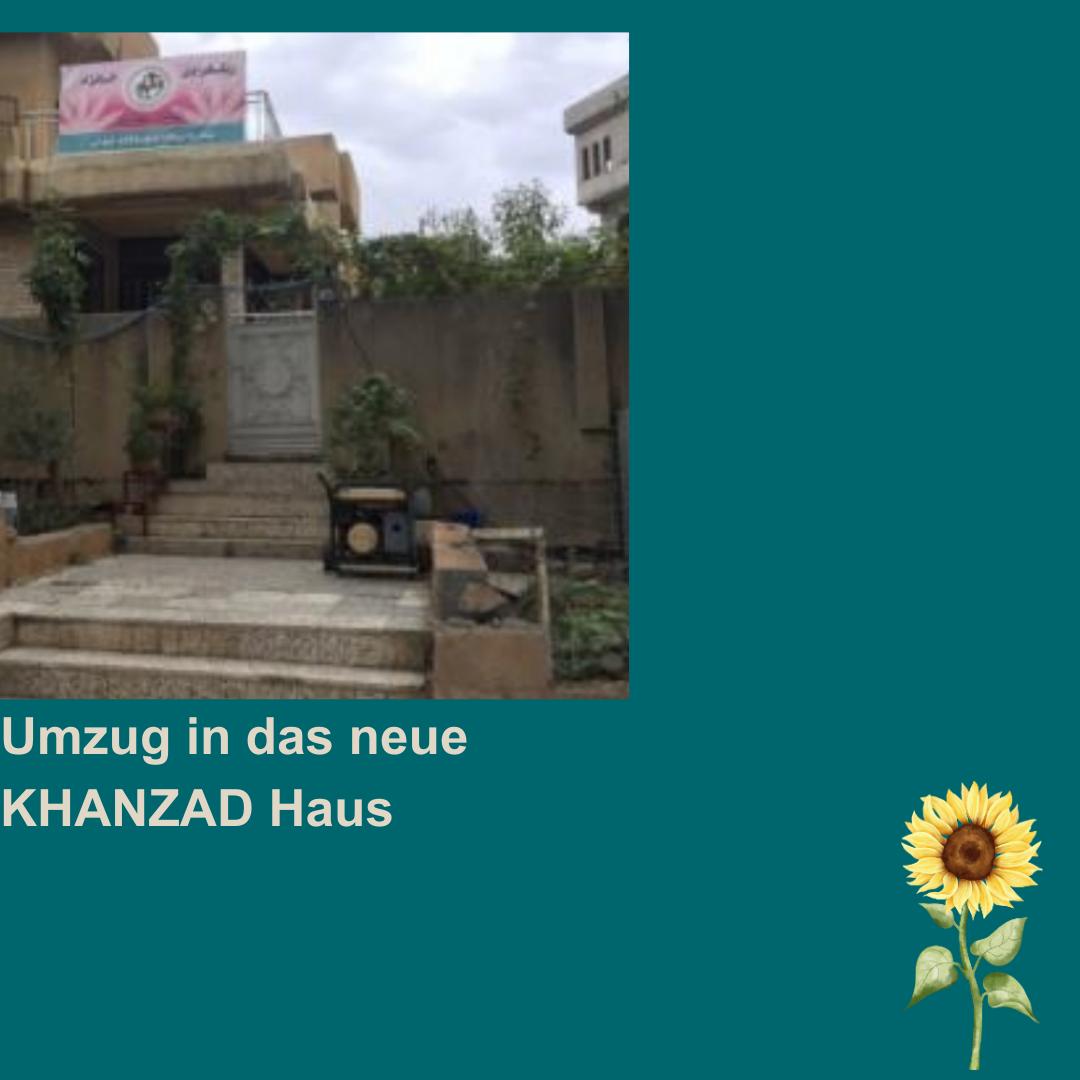
In response to the brutal crimes committed against women by the so-called IS and the rise of Islamist forces, the staff of the KHANZAD Women’s Centre in Sulaimania continued their work for women’s rights and the protection of women from violence and honour killings in 2015. KHANZAD supported women in Sulaimania’s prisons and in state shelters in the region, organised training courses for police and security forces as well as for state social workers, and promoted cooperation between civil society and state agencies to protect and advise women in situations of violence.
2016
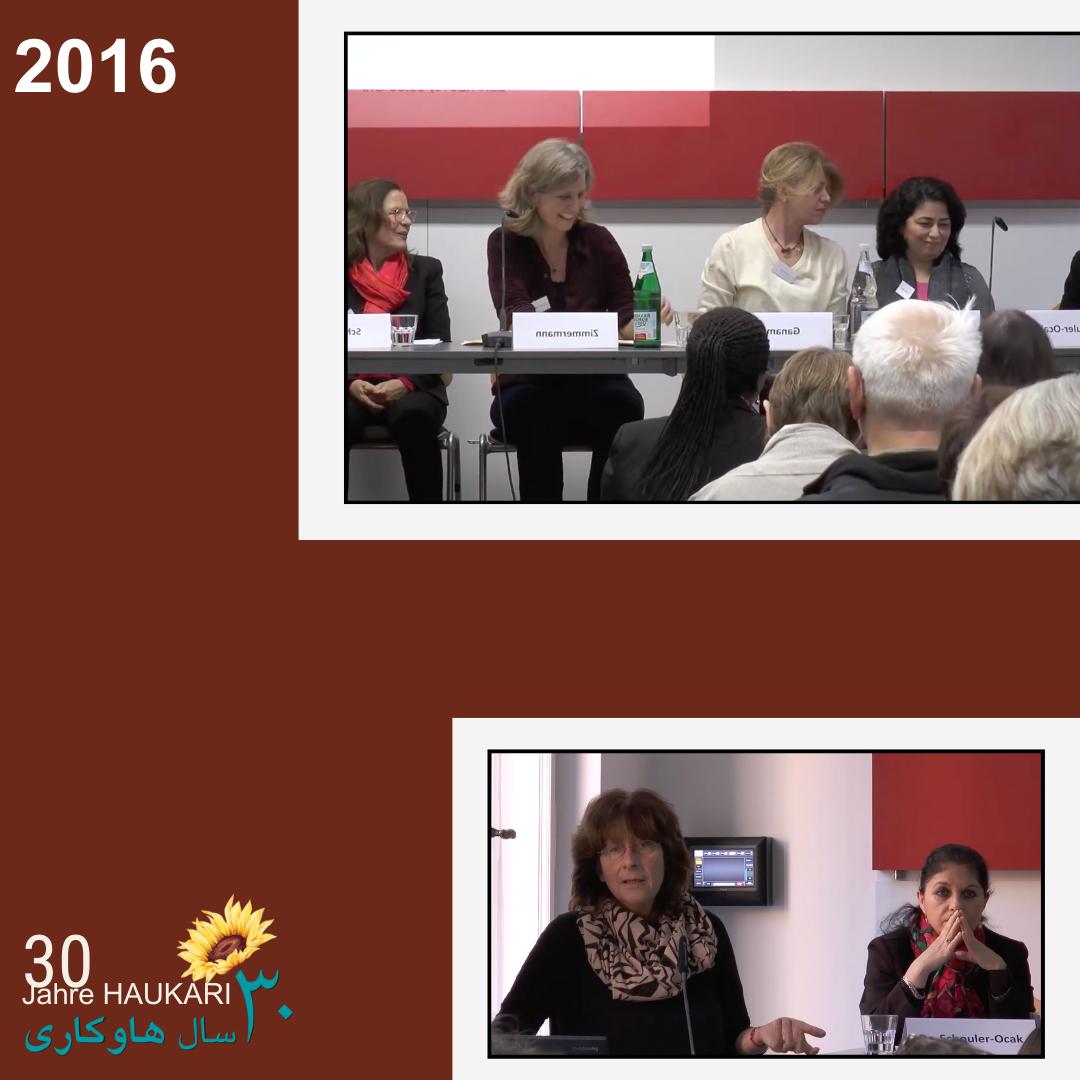
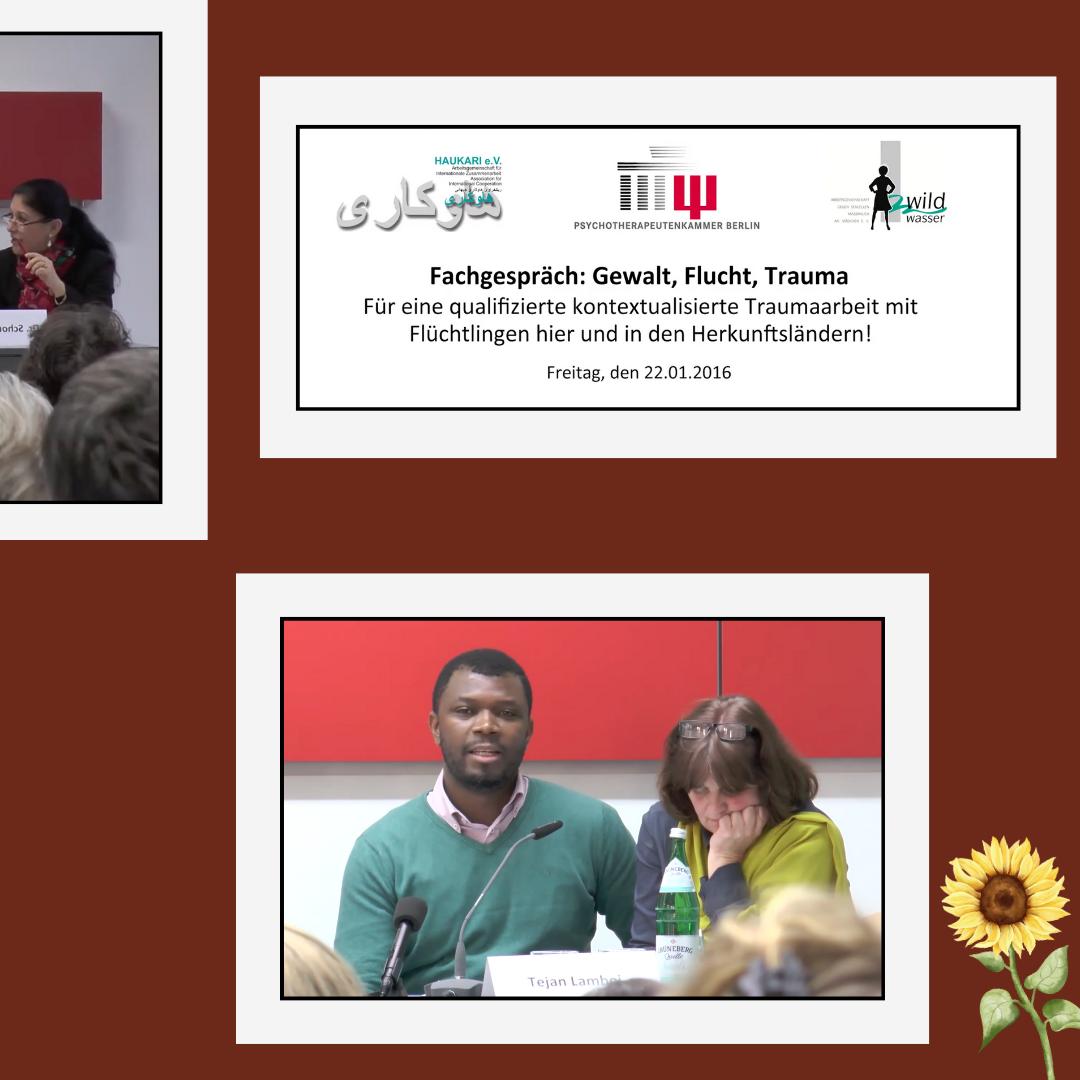
In 2016, HAUKARI e.V. was active in Germany with various event formats dealing with violence, flight, and trauma. In Berlin, HAUKARI e.V. organized an expert discussion on qualified and contextualized trauma work with refugees. This brought together psychosocial and psychotherapeutic practitioners from Germany with representatives of projects from crisis and conflict regions.
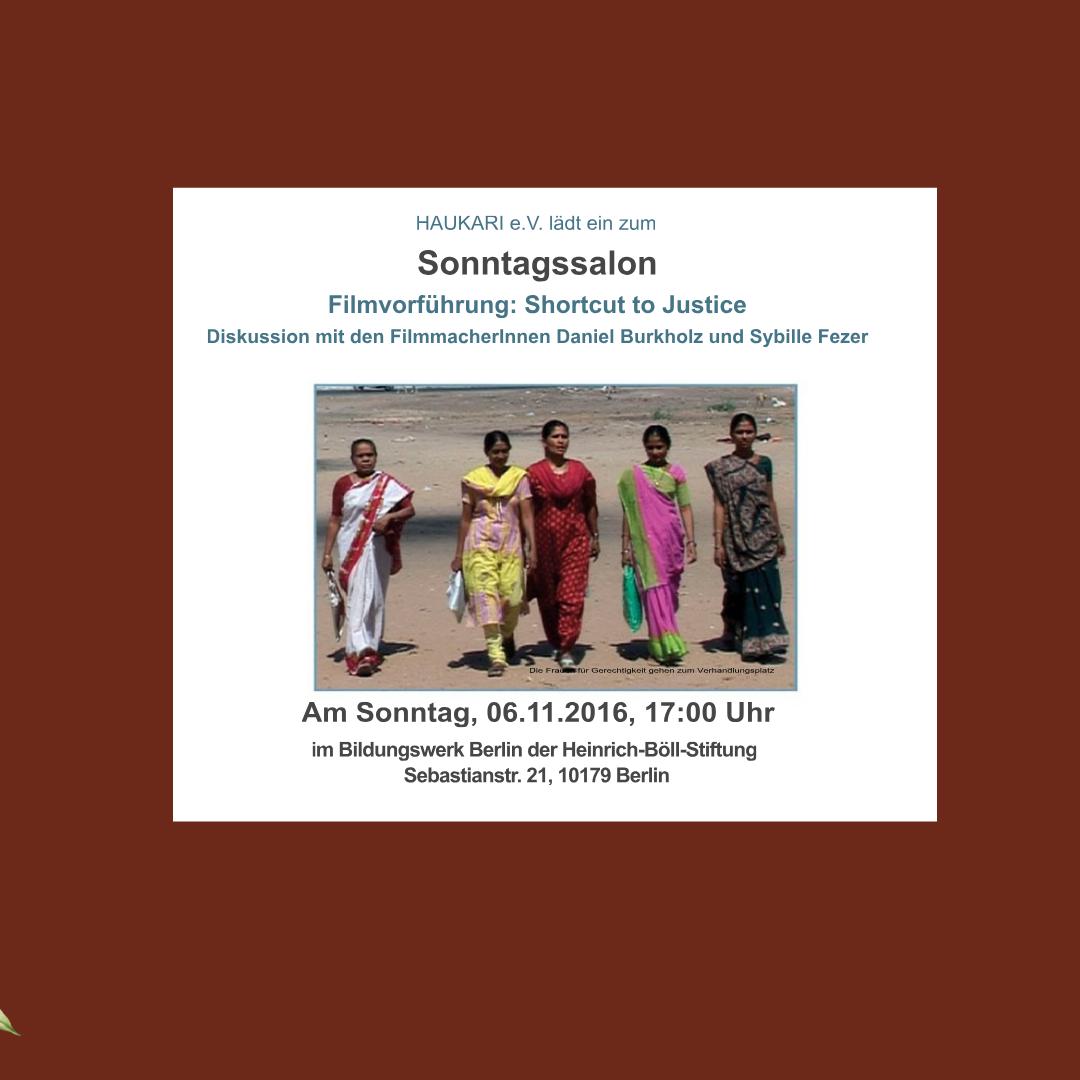
With the format of “Sunday salons”, which served as an informal setting for in-depth discussions, HAUKARI e.V. has regularly brought together Iraqi and Kurdish guests with people from other political, cultural, and social contexts to discuss topics such as women’s rights, psychosocial work in conflict regions, and remembrance work from different political, social, and cultural contexts in conversations and film screenings.
In 2016, the Sunday Salon was held with filmmakers Daniel Burkholz and Sybille Fezer. The collaboration with Sybille Fezer in 2016 also marked the start of the project collaboration between haukari e.V. and medica mondiale.
2017
Haukari in film…
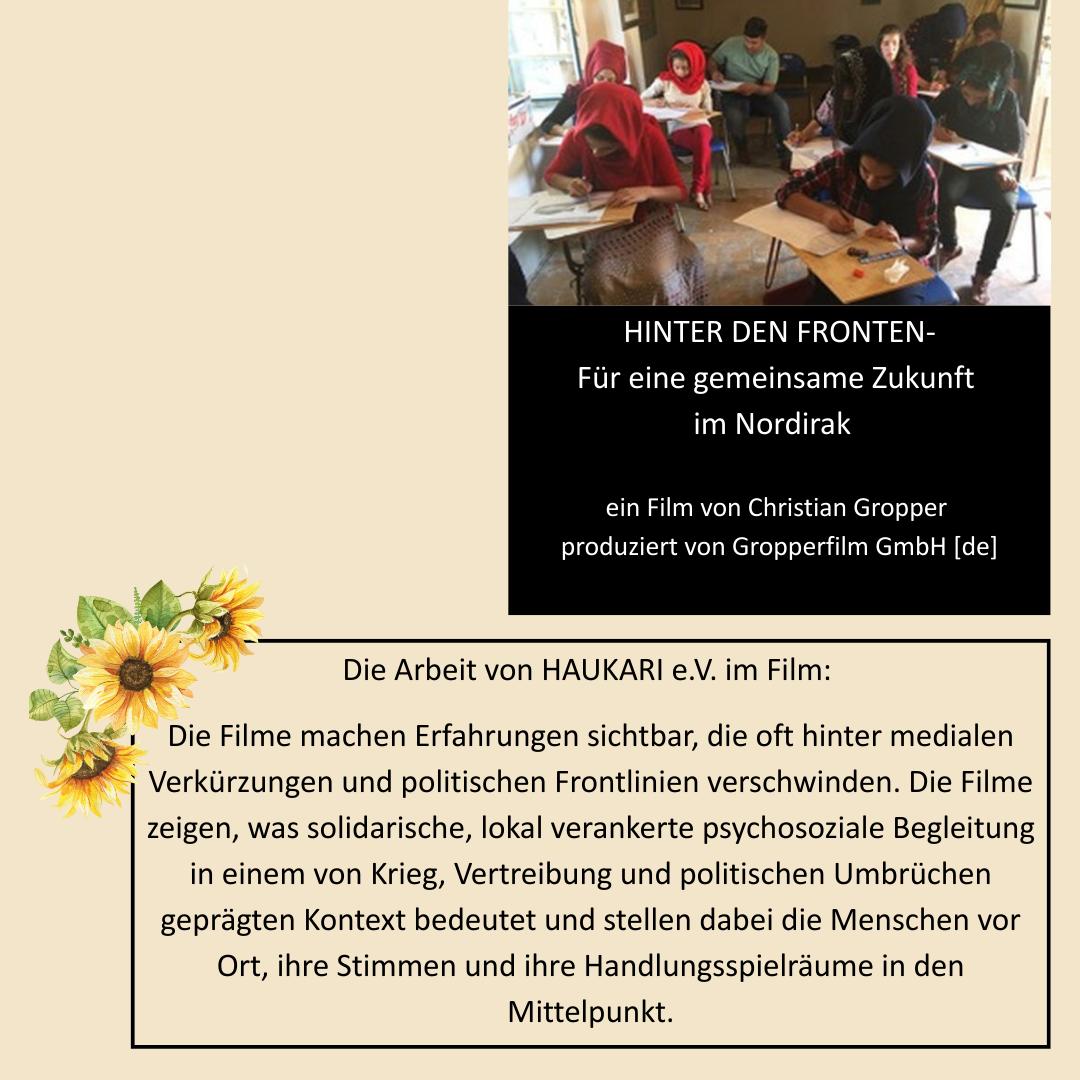
Over the years, the work of HAUKARI e.V. has been documented repeatedly on film in an attempt to make visible experiences that would otherwise disappear behind media simplifications and political front lines.
The ARD report “Hinter den Fronten” (Behind the Front Lines) by Christian Gropper, first broadcast in 2017, made it clear what psychosocial support means in everyday life marked by war, displacement, and political uncertainty.
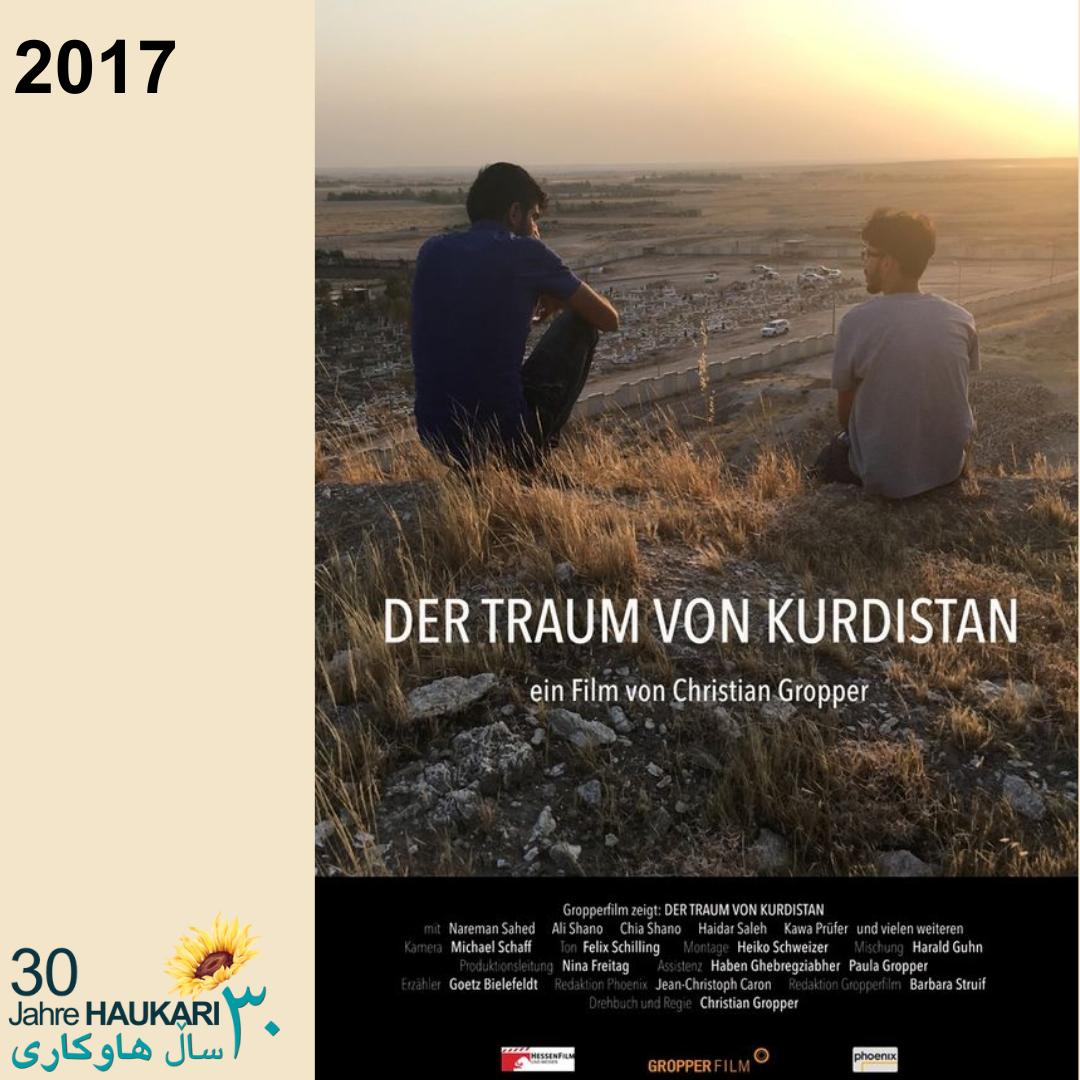
The film “Der Traum von Kurdistan” (The Dream of Kurdistan) (Christian Gropper, 2016) takes us to Kifri, Rizgary, and Sulaimania. It shows what solidarity-based, locally anchored psychosocial support means in a context marked by war, displacement, and political upheaval—not as “help from outside,” but as solidarity-based support in the midst of social upheaval. The film focuses on the local people, their voices, and their scope for action.
Today, we at HAUKARI e.V. continue to use films and videos as an important medium for documentation, public relations, and political education, which you can view in the media library.
2018
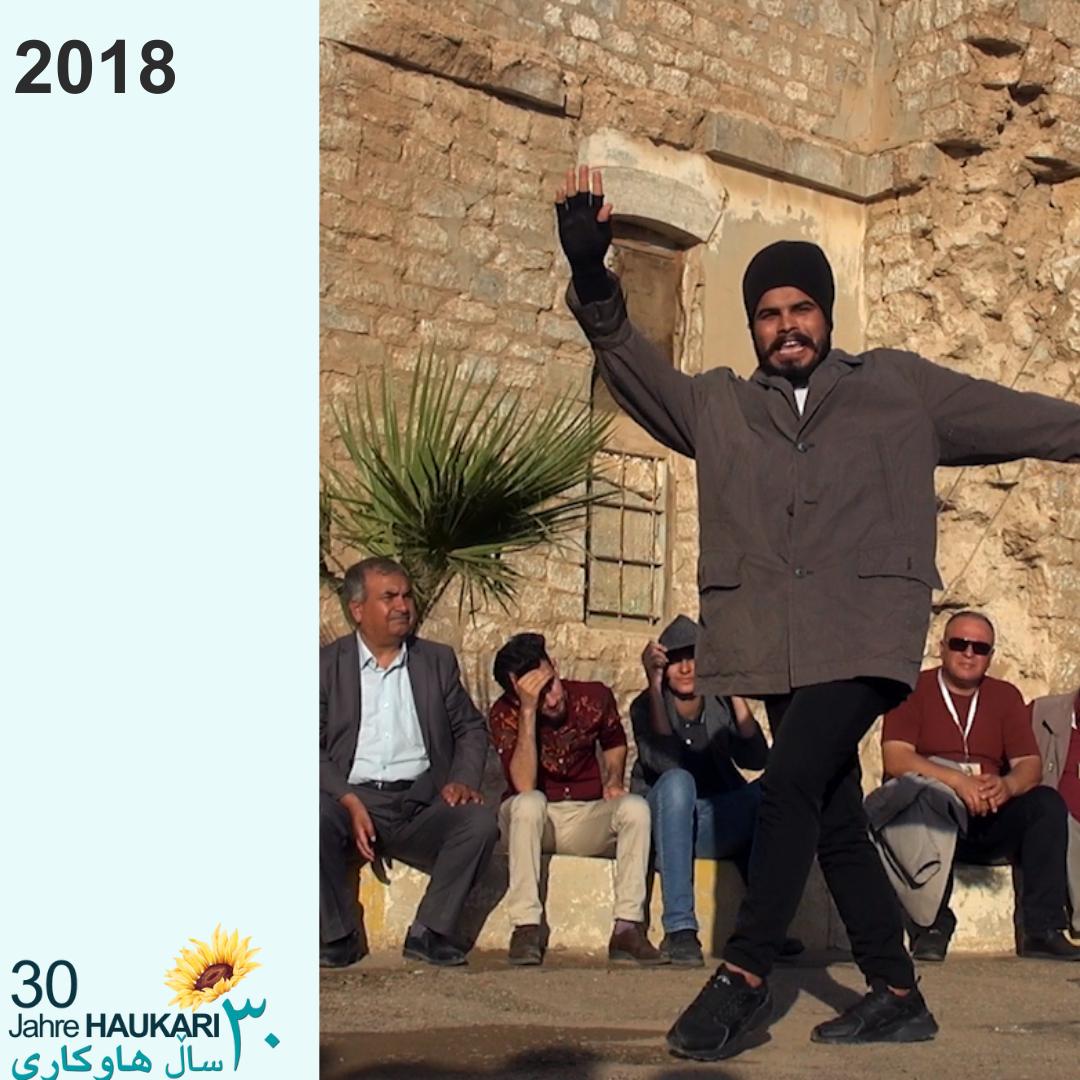
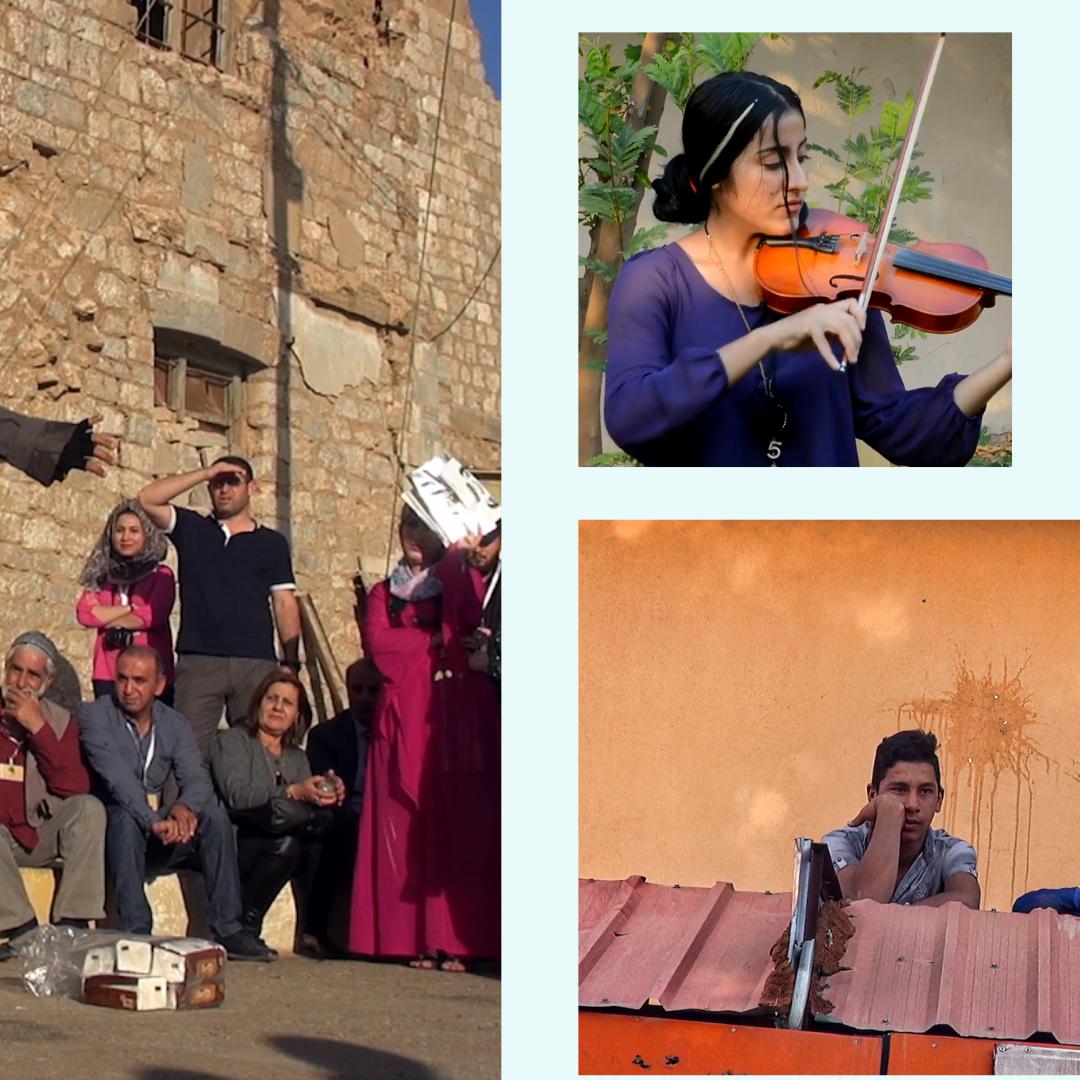
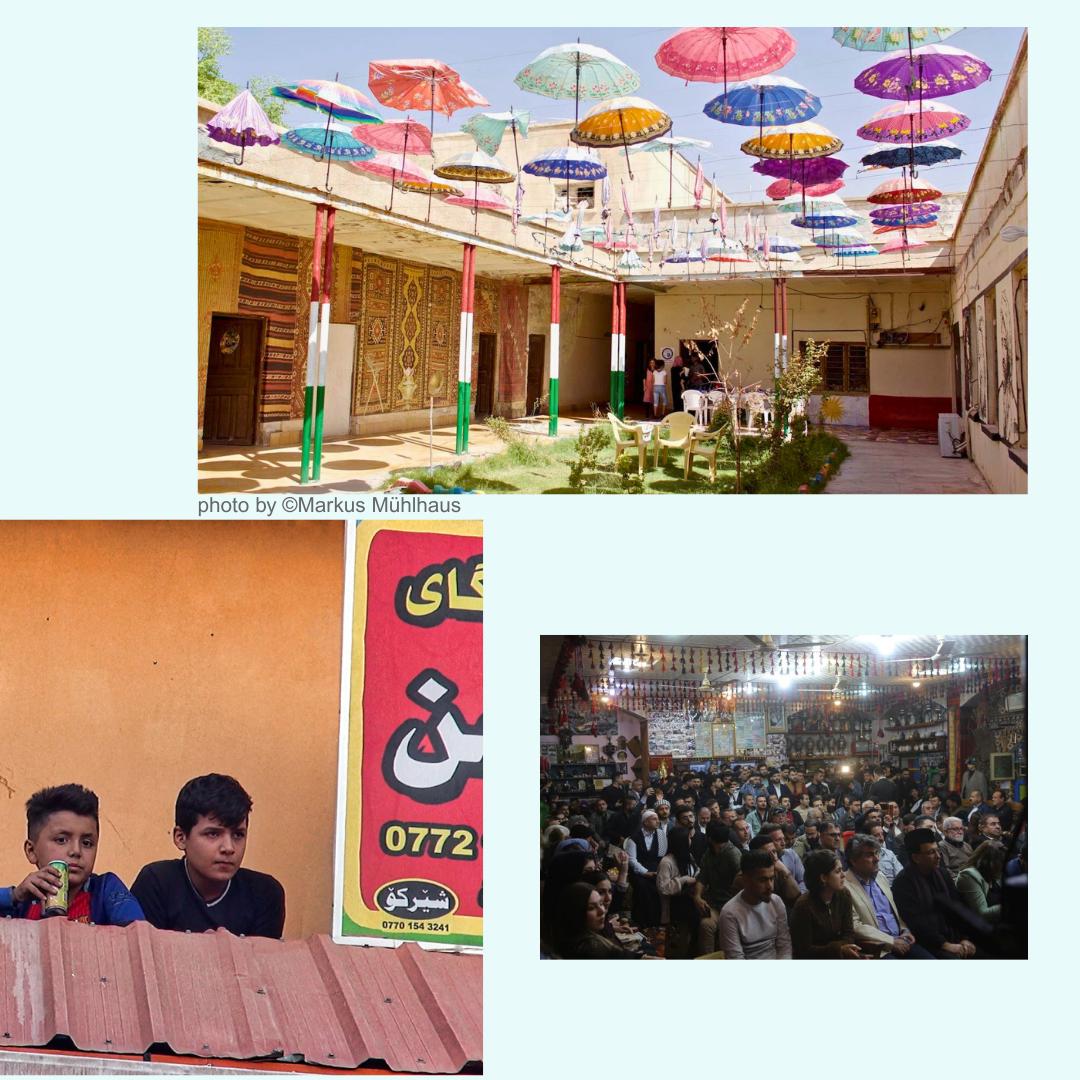
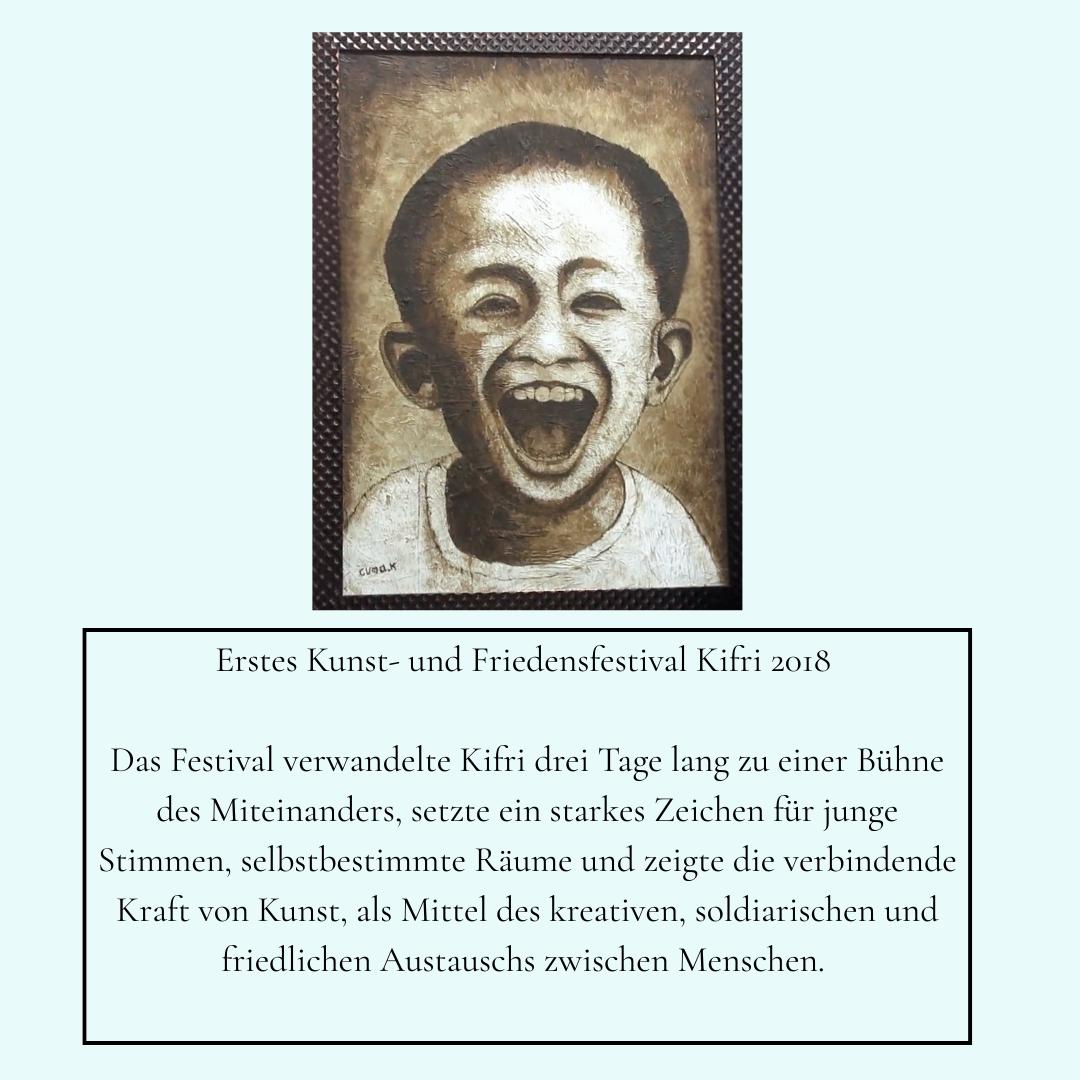
October 2028: First Kifri Art and Peace Festival
In October 2018, Kifri was transformed into an open stage for art, dialogue, and peace for three days. Together with the Kifri Art and Culture Center, HAUKARI e.V. organized the city’s first art and peace festival.
60 artists from 8 cities in the Kurdish region and 4 cities in Iraq came together. The whole city became part of the festival. The exhibitions, theater and music performances did not take place behind closed doors, but in the streets, squares, and historic buildings of Kifri.
Over 600 people, mainly young people, took part. For three days, “life was celebrated” in a multilingual and creative way . The festival sent a strong message about young voices, self-determined spaces, and the unifying power of art.
The artistic contributions addressed central themes: human rights, gender equality, democracy, and peaceful coexistence. Many contributions tied in with Kifri’s long history as a place of diverse ethnic and cultural coexistence and used art as a unifying medium of exchange.
You can watch a short film about the festival from 2018 here.
2019
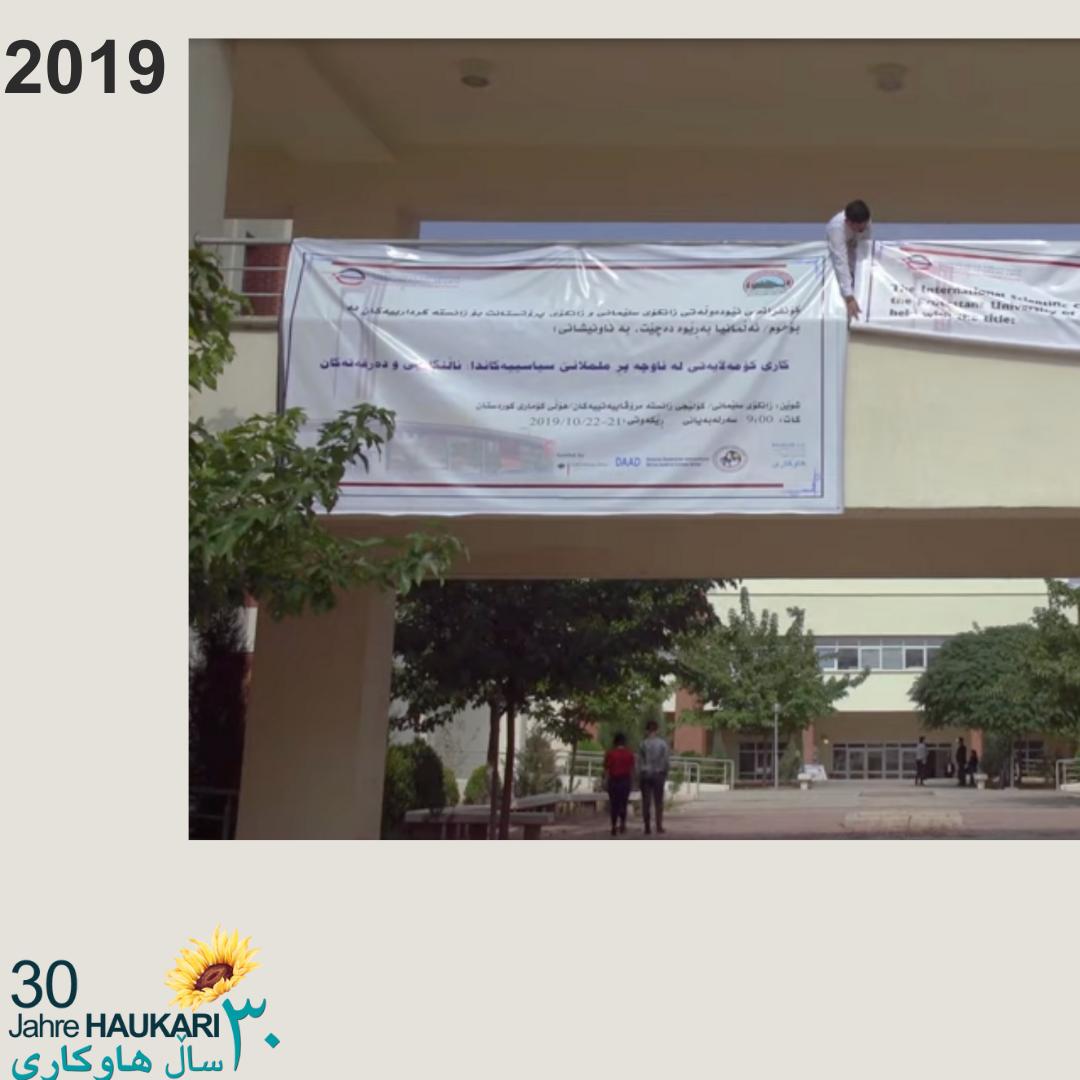
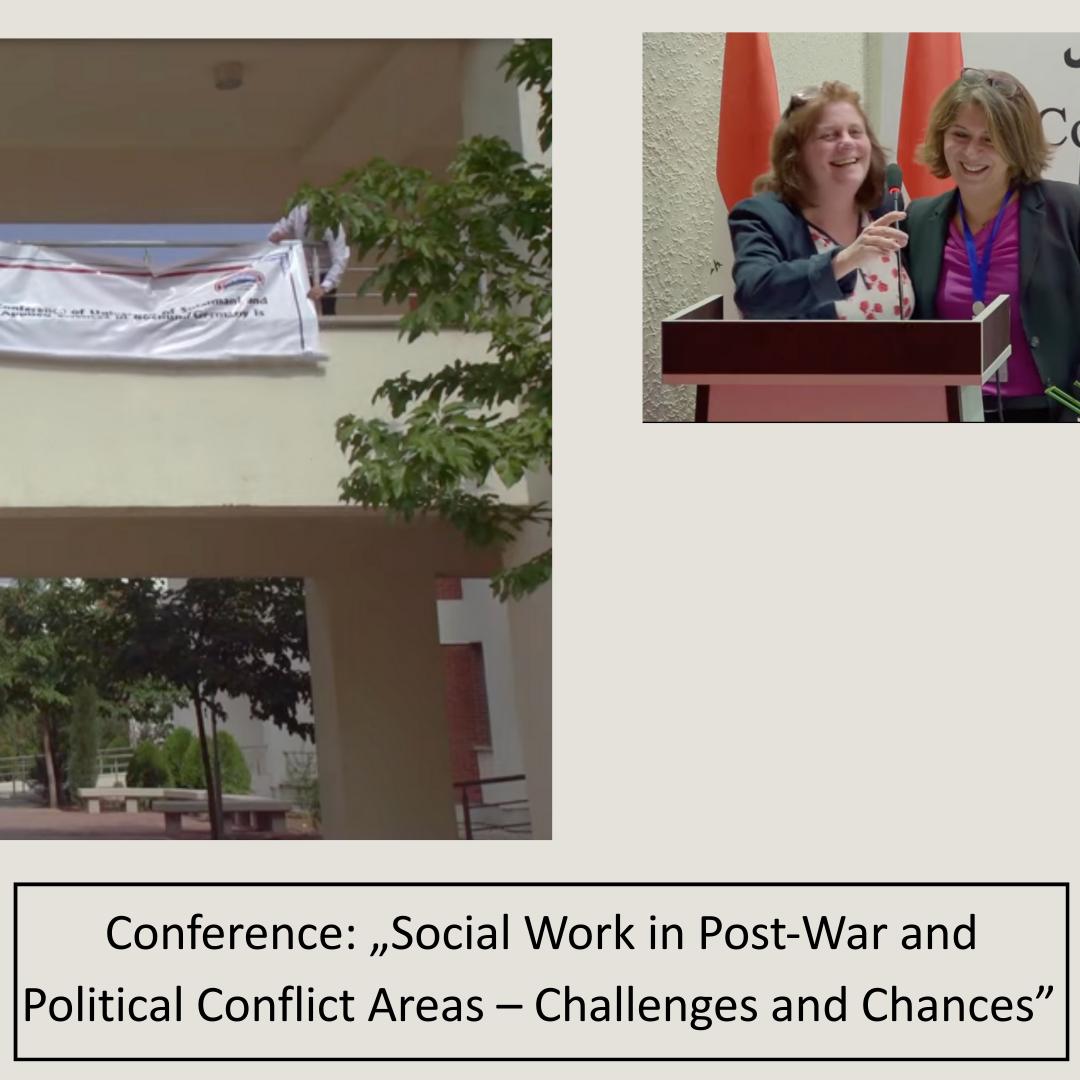
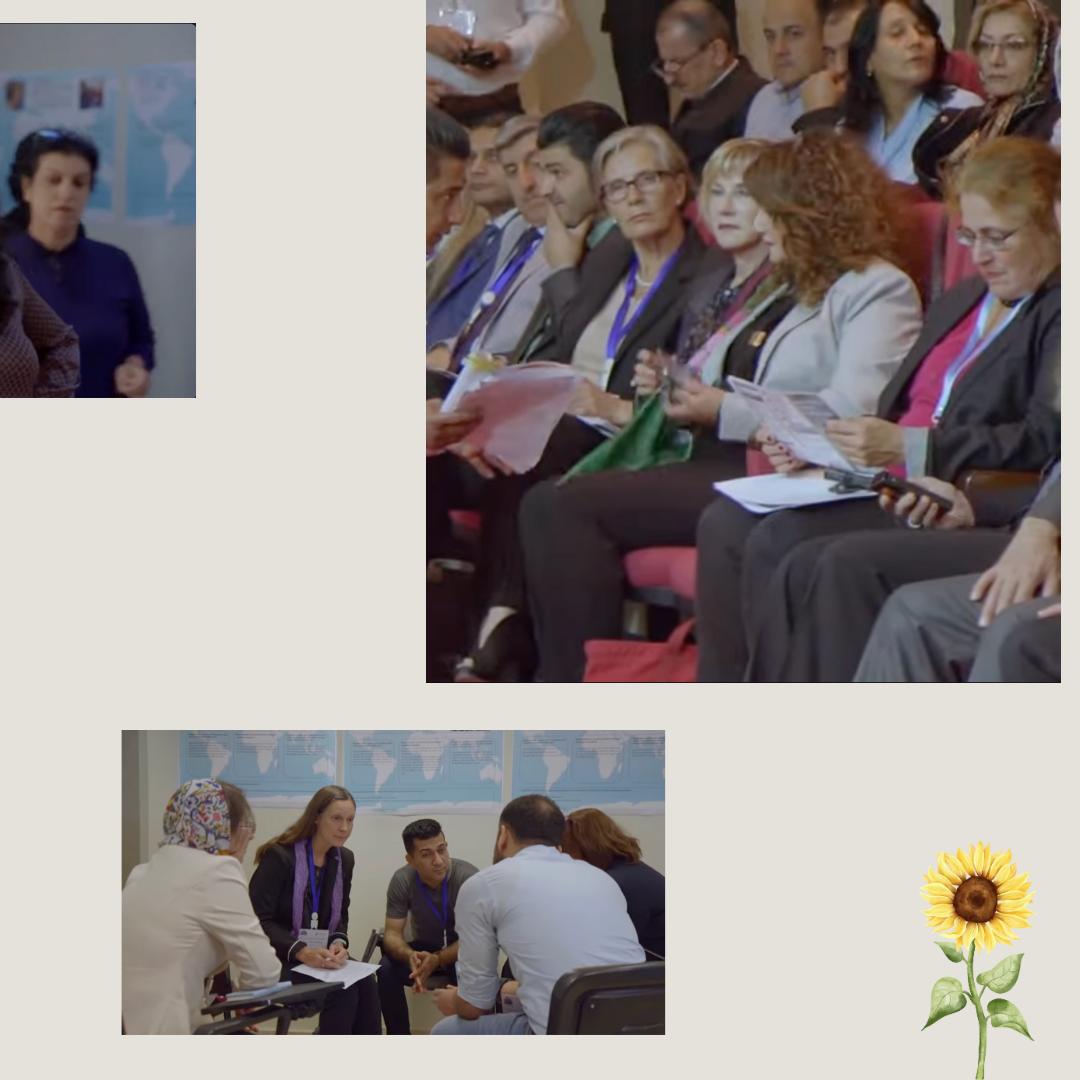
In 2019, the conference ‘Social Work in Post-War and Political Conflict Areas – Challenges and Chances’ took place at the University of Sulaimania, organised by Ev. Hochschule RWL in Bochum and University in Sulaimania, KHANZAD and HAUKARI.
We would like to recommend the documentary film ‘CoBoSUnin – Coming Together to Acquire Knowledge’ produced by SMIDAK.
The film provides insights into the international cooperation project between the social work departments of the Evangelical University RWL in Bochum and the University of Sulaimania.
It highlights perspectives on social work in Kurdistan-Iraq and Germany and addresses topics such as migration and flight, gender and violence, and international social work. The second part of the film shows excerpts from the conference, which represents both a milestone and the conclusion of the joint project.
You can find the film here.
2020
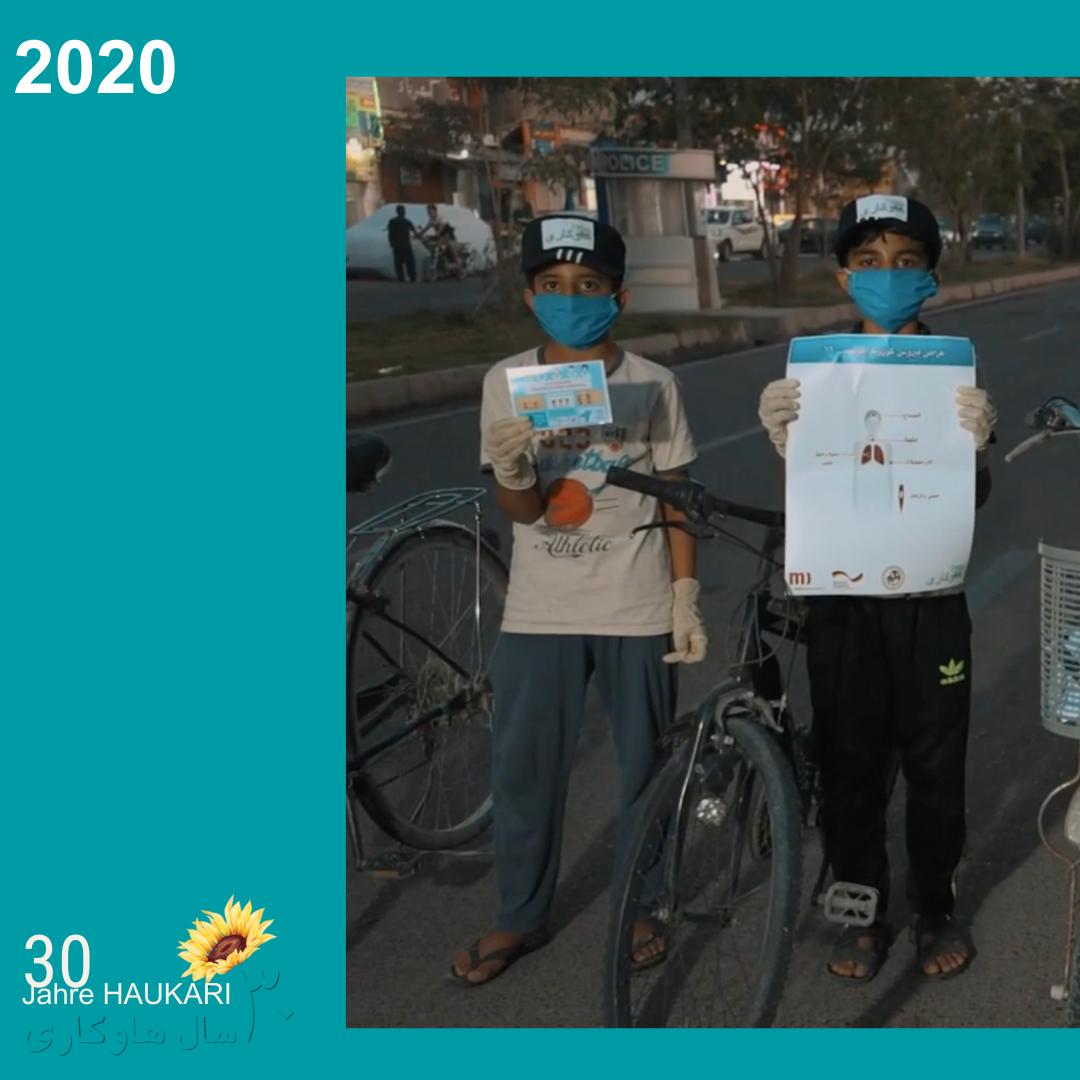
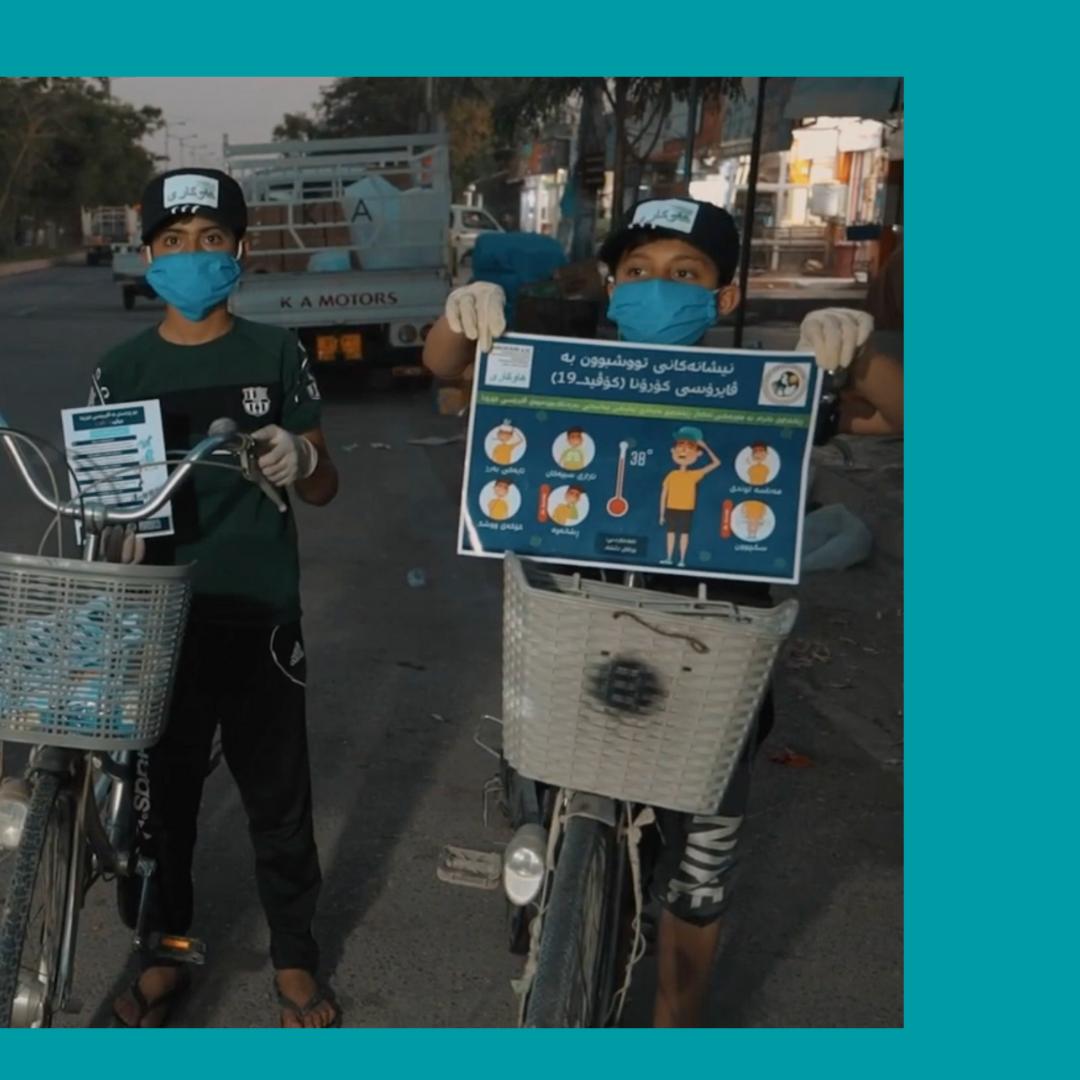
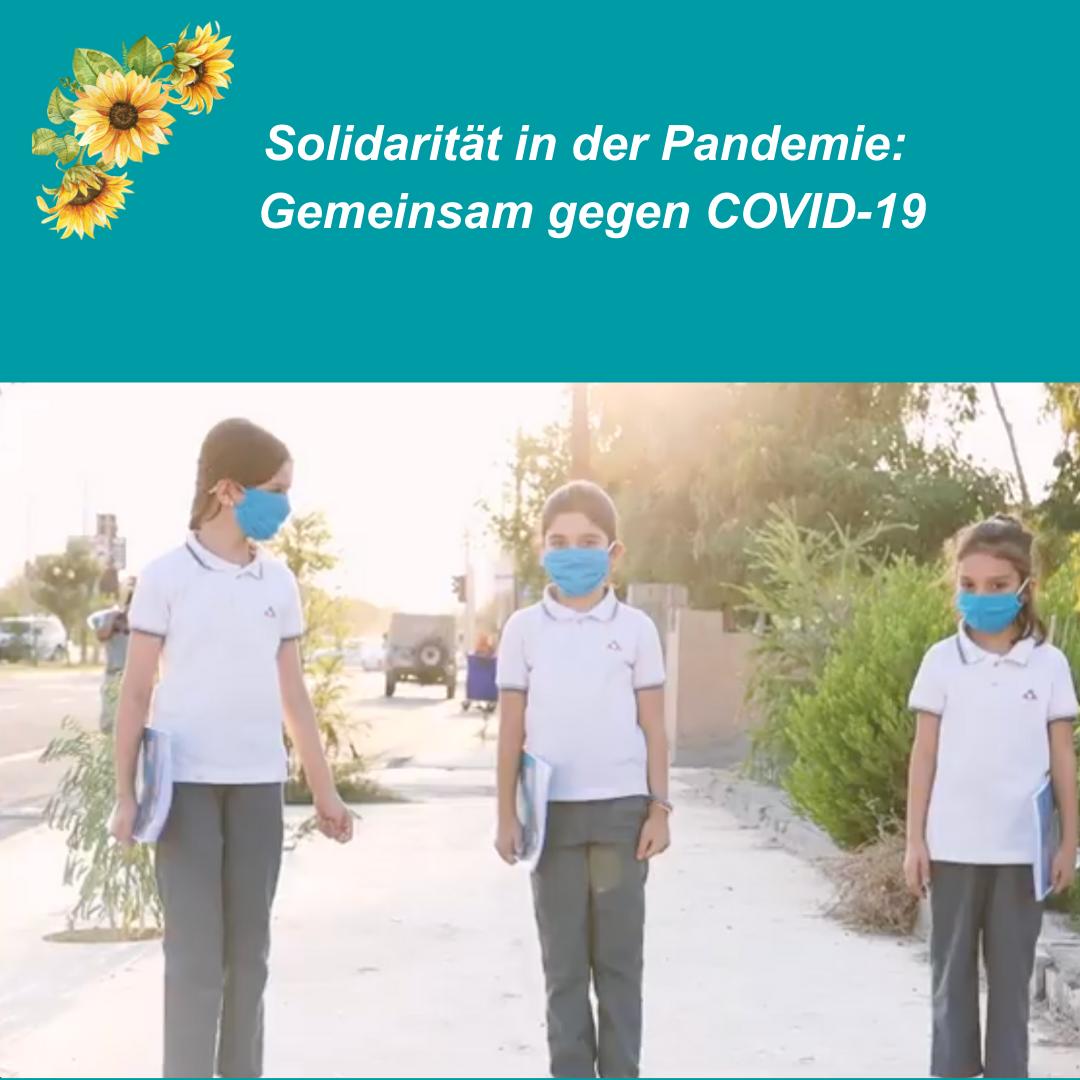
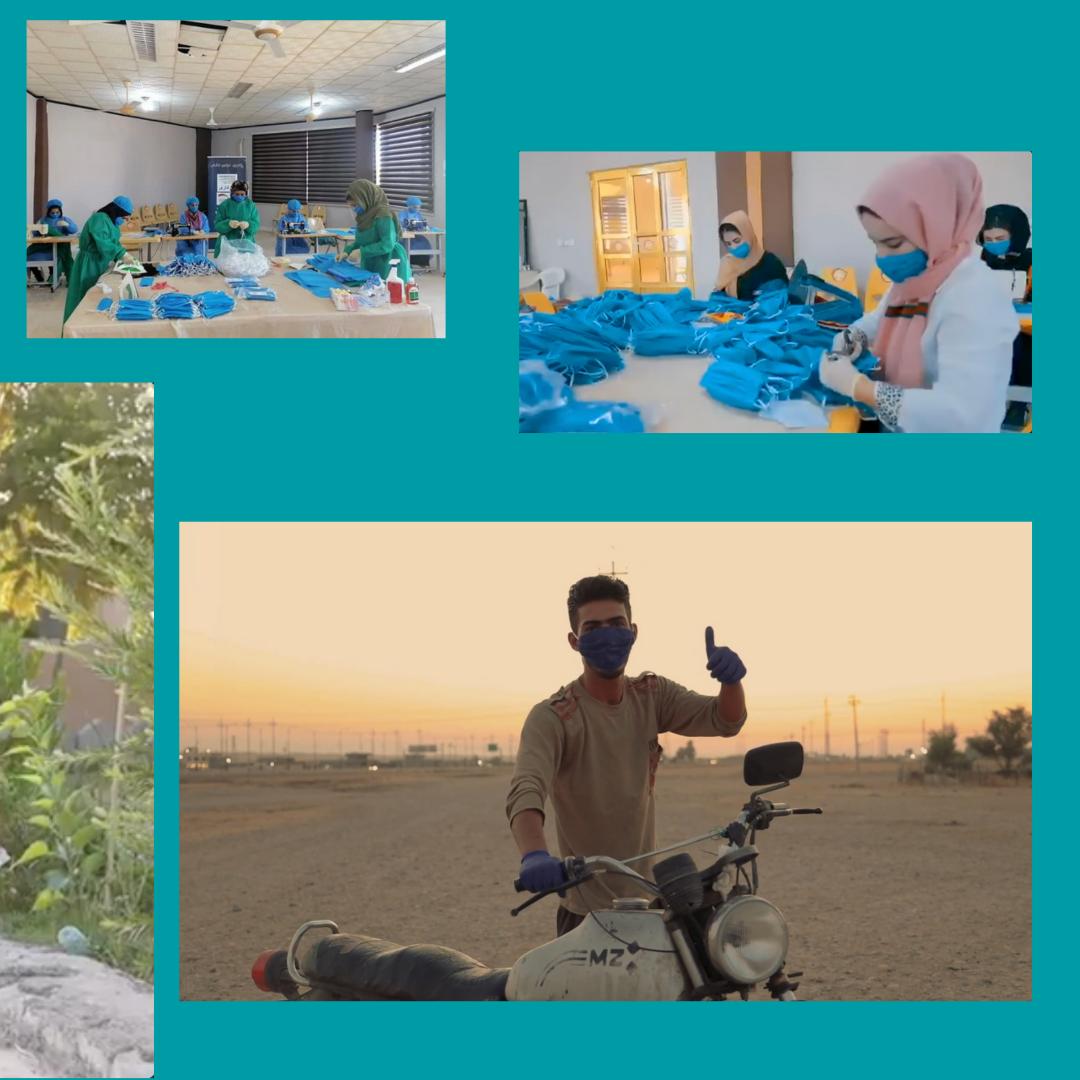
2020: All together against COVID-19
The Kurdish region of Iraq was also affected by COVID-19 in 2020. Lockdowns, overwhelmed hospitals, growing poverty, and an increase in domestic violence coincided with a fragile political and security situation.
Together with our local partners, HAUKARI e.V. responded quickly and flexibly:
supporting hospitals and health centers in setting up testing stations, disinfection and awareness campaigns (offline and online), protection and counseling for women, and solidarity initiatives such as women’s working groups for the production of masks and protective clothing.
During this crisis, the strengths of our work were particularly evident: long-standing local partnerships, close cooperation with civil society and government actors, and the combination of health work, psychosocial support, and human rights work.
We would like to express our gratitude to our local colleagues and partner organizations, including KHANZAD, as well as the BMZ and medico international for their flexible support in this difficult situation.
Here you find more insights on the film series “Covid 19: All together against corona virus”.
2021
On the occasion of International Women’s Day on March 8, 2021, HAUKARI and KHANZAD organized a carnival in Garmian with various artistic activities and a bazaar offering handicrafts made by women.
In 2021, KHANZAD joined the UN campaign “Orange the World” and the “16 Days of Activism Against Gender-Based Violence” together with other civil society organizations. They conducted workshops, awareness-raising activities, and public campaigns in Sulaimania and Garmian.
Since then, KHANZAD has been actively participating in the campaign every year and continues its educational and awareness-raising work to combat violence against women.
2022
In April 2022, the Maryam House was opened. The name commemorates an Anfal survivor who has since passed away. It serves as a meeting place for Anfal survivors, as well as a space for mourning and exchange.
For this purpose, a former police building in Rizgari, provided by the municipal authorities, was renovated and opened as a documentation and community centre. With the active involvement of second-generation Anfal survivors, memorabilia of the Anfal victims are collected, exhibitions are organised, the concept of the memorial forum is further developed, and advocacy efforts with the Kurdish and Iraqi governments as well as civil society are coordinated to support the implementation of the memorial.
2023
In 2023, the Mastura Institute for Applied Science in Psychosocial Work (MIPSS) in Sulaimani was officially recognized as a local research institute, marking an important step toward strengthening contextualized psychosocial practice.
The institute, which grew out of a collaboration between HAUKARI e.V. and Kurdish-Iraqi and South African colleagues, focuses on locally anchored knowledge production and transnational exchange at eye-level.
In 2023, the focus was on establishing local supervision and evaluation teams, workshops on contextualizing psychosocial knowledge, practical programs, and a multidisciplinary workshop series funded by GIZ.
For Mastura, de-colonization psychosocial knowledge means making power relations in knowledge production visible and jointly creating new spaces for dialogue and practice.
We look forward to continuing on this path and sustainably expanding contextualized, dialogical knowledge production together with our partners.
2024
On March 8, 2024, International Women’s Day, the 2024 Kurdish Equality Award was presented to Karin Mlodoch from HAUKARI e.V. in Sulaimania.
She was honored for over 30 years of continuous commitment in Kurdistan-Iraq and her tireless work for women’s rights.
Karin is also one of the founders of the social and cultural center KHANZAD—the first non-partisan women’s center in Kurdistan-Iraq.
We take this year’s International Women’s Day as an opportunity to once again thank Karin deeply and congratulate her !
Click here to watch the film.
2025
One of the highlights of the youth project in Garmian was the Garmian Youth Conference 2025, which was attended by 80 participants from youth initiatives and organisations across numerous towns and villages. At the conference, which focused on the role of young people in the economy, innovative technologies and the cultural scene, the participants jointly formulated recommendations and proposals, which were communicated to political decision-makers in the region in the weeks and months that followed.
2026
The small HAUKARI-Memory
A playful greeting from the early days of Haukari e.V.: This memory game was already featured on the first Haukari e.V. website over 20 years ago and shows photos from the early years of our work. Test your memory and find all the pairs!